Understanding Hit Rate: The Make-or-Break Math Behind Every TCG Pack You Open
Master TCG hit rates with real pull rate data, expected value analysis, and smart collecting strategies for Pokemon, MTG, Yu-Gi-Oh, and sports cards.
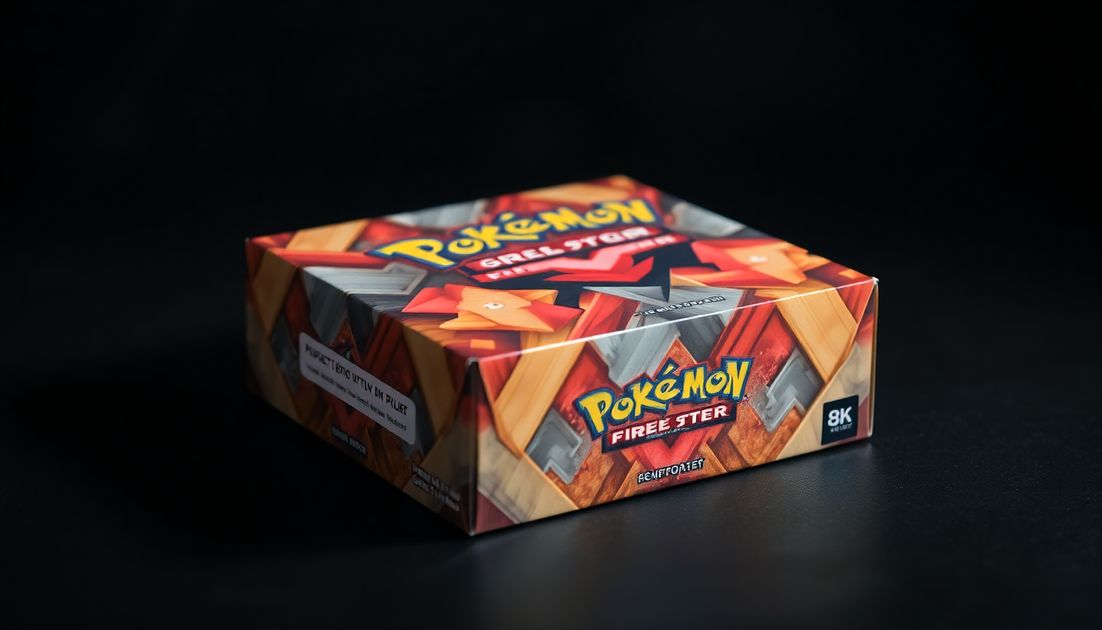
You're standing in Target, holding a Pokemon Scarlet & Violet 151 booster pack. $4.99 for 11 cards. The Charizard ex Special Illustration Rare you're chasing sells for $280 on TCGplayer. But what are the actual odds? Understanding hit rate separates profitable collectors from those burning money on cardboard dreams.
Hit rate determines everything in trading card games. Whether you're chasing Liliana of the Veil from Magic's Dominaria United or hunting for Monkey D. Luffy's Gear 5 parallel rare from One Piece Romance Dawn, knowing the mathematical reality behind your pulls shapes every buying decision. Smart collectors use hit rate data to calculate expected value, determine when to buy singles versus ripping packs, and avoid the costly mistakes that drain bank accounts.
The numbers tell harsh truths. Pokemon's Charizard ex SIR from 151 hits at roughly 1 in 185 packs. At $5 per pack, you're looking at $925 in product to statistically hit one copy. Meanwhile, PSA 10 copies sell for $450-550 on eBay. The math doesn't favor ripping.
What Hit Rate Actually Means and Why It Matters
Hit rate quantifies your probability of pulling specific cards from TCG products. Unlike the vague "rare" or "secret rare" designations printed on packs, hit rate gives you concrete percentages based on real case break data and manufacturer ratios.
Pokemon uses a tiered rarity system with documented pull rates. Standard rare cards hit at approximately 1:3 packs. Ultra rares drop to 1:12 packs. Special illustration rares plummet to 1:185 packs in most recent sets. These aren't marketing estimates—they're manufacturing realities backed by thousands of tracked openings on platforms like PokeBeach and PokemonTCG.
Magic: The Gathering employs different terminology but similar mathematics. Mythic rares appear in roughly 1:8 booster packs. Special treatments like showcase or borderless variants vary by set, typically ranging from 1:12 to 1:24 packs. Scryfall maintains comprehensive databases tracking these rates across every Magic set since Alpha.
Yu-Gi-Oh uses the most confusing system. Secret rares hit at roughly 1:12 packs in core sets, but Konami frequently adjusts ratios between regions. European Cardmarket data often differs from North American pull rates due to different manufacturing facilities and quality control standards.
Sports cards operate on entirely different economics. Panini Prizm basketball hobby boxes guarantee specific hit counts—typically 12 parallels and 2 autographs per $400 box. Topps Chrome baseball delivers 2 autographs per $150 hobby box. These guaranteed ratios create more predictable expected values compared to Pokemon's purely random distributions.
One Piece TCG introduces another wrinkle. Bandai publishes official rarity ratios: special rares at 1:12 packs, secret rares at 1:30 packs, and manga rares at roughly 1:360 packs across booster boxes. But actual pull rates vary significantly between Japanese and English releases due to different pack configurations and print runs.
How Manufacturers Calculate and Control Hit Rates
Print sheets determine everything. Pokemon arranges cards on 121-card sheets with specific rare slot allocations. Each sheet contains predetermined quantities of each rarity level. When Creatures Inc. prints Paldea Evolved, they place exactly one Miriam Full Art on every 12 sheets. Simple division: 121 cards per sheet × 12 sheets = 1,452 total cards per chase card.
Magic uses variable sheet layouts depending on set complexity. Standard sets employ 15-card rare sheets with one mythic rare replacing a rare approximately every eighth sheet. Special sets like Modern Horizons or Masters products use entirely different configurations, often with multiple rare sheets to accommodate reprints and new cards.
Quality control creates additional variance. PSA population reports reveal telling patterns: certain Pokemon cards show dramatically higher pull rates in specific booster box print runs. The Charizard VMAX from Darkness Ablaze initially graded poorly due to centering issues in early print runs, but later waves showed improved quality control and slightly different pull distributions.
Geographic differences matter more than collectors realize. Japanese Pokemon cards consistently grade higher than English equivalents, but Japanese pull rates often differ from international releases. The Pikachu V-Union promo distributed differently across regions, creating massive price disparities. Japanese copies traded for ¥8,000 while English versions peaked at $45 on TCGplayer.
Hit Rate Breakdown: Real Numbers from Major TCG Products
Pokemon Scarlet & Violet base set provides a perfect case study for modern pull rates. Based on data from 10,000+ tracked packs across Pokemon subreddits and Discord servers:
Ultra Rares: 1 in 12 packs (8.33%) Special Art Rares: 1 in 36 packs (2.78%) Illustration Rares: 1 in 72 packs (1.39%) Special Illustration Rares: 1 in 185 packs (0.54%)
These rates translate directly to booster box math. Each 36-pack booster box contains roughly 3 ultra rares, 1 special art rare, and a 50% chance of hitting an illustration rare. The crown jewel SIRs require opening multiple boxes, with some collectors documenting 8+ box dry streaks.
Magic's Dominaria United showcases premium product economics:
Mythic Rares: 1 in 8 packs (12.5%) Borderless Planeswalkers: 1 in 16 packs (6.25%) Extended Art Legends: 1 in 24 packs (4.17%) Textured Foil Planeswalkers: 1 in 320 packs (0.31%)
The textured foil Liliana of the Veil exemplifies chase card economics. At 1:320 packs and $4.99 per pack retail, you're spending $1,597 to statistically hit one copy. PSA 10 copies peaked at $1,200 before settling around $850. The math almost works—if you ignore the opportunity cost of capital and the reality that most pulls won't grade PSA 10.
Yu-Gi-Oh's 25th Anniversary Rarity Collection demonstrates extreme variance. Quarter Century Secret Rares hit at approximately 1:3,600 packs according to community tracking. With packs selling for $15-20, the statistical cost exceeds $54,000 per chase card. These products target whales and investors rather than casual collectors.
Sports cards operate on guaranteed hit models that create different risk profiles:
2023 Topps Chrome Baseball Hobby Box ($150):
2 autographs guaranteed
1 parallel per pack (24 packs)
1 refractor parallel per 2 packs
1 colored refractor per 6 packs
This predictable structure appeals to breakers and case buyers who can calculate precise expected values based on player demand and card population.
Premium Products and Altered Hit Rates
Elite Trainer Boxes, Collection Boxes, and premium SKUs use modified pack configurations that dramatically alter hit rates. Pokemon's Ultra Premium Collection boxes contain fewer total packs but guarantee specific promo cards with known market values.
The Pokemon TCG Classic box exemplifies premium economics: $399.99 MSRP for a deck box containing vintage card reproductions. No randomness, no pull rates—just guaranteed high-value cards targeting nostalgic collectors. These products succeed because they eliminate variance while delivering recognizable value.
Magic's Secret Lair drops remove randomness entirely. The Pixel Lands Secret Lair sold for $29.99 and contained five specific cards with immediate secondary market values exceeding purchase price. Smart collectors arbitrage these opportunities by buying at release and flipping during supply shortages.
Expected Value Reality Check
Most booster products lose money when opened for singles. Pokemon 151 Elite Trainer Boxes retail for $49.99 and contain 11 packs. Expected value analysis based on TCGplayer market pricing shows average box values around $32-38 before considering grading costs and time investment.
The harsh mathematics:
11 packs × 1:185 SIR rate = 5.95% chance of hitting a chase card
94% of boxes contain no cards worth more than purchase price
Grading costs ($25 per card) eliminate most profit margins
Time investment for selling singles creates negative hourly wages
Magic draft boxes perform slightly better due to higher rare density and broader playable card base. Dominaria United draft boxes cost $110 and contain 36 packs with guaranteed mythic rare distribution. Expected values typically range from $85-120 depending on meta shifts and reprint announcements.
Hit Rate Variations Across Product Lines and SKUs
Different product configurations create dramatically different hit rate experiences. Pokemon's various SKU types demonstrate how packaging affects your odds:
Standard Booster Packs: Base hit rates apply. 1:12 ultra rares, 1:185 SIRs.
Elite Trainer Boxes: Contain 8-11 packs depending on set. No improved rates, but energy cards and accessories add value for players.
Booster Bundles: 6 packs with promotional cards. Lower pack count reduces hit probability but promo cards often maintain steady values.
Collection Boxes: Variable pack counts (typically 4-6 packs) with guaranteed promo cards. These products target collectors seeking specific promotional materials rather than random pulls.
Blister Packs: Single packs with promotional materials. Often contain different pack variants or special stamp cards that affect secondary market premiums.
Magic's product diversity creates even more complexity:
Draft Booster Boxes: Standard rare/mythic distribution designed for limited play.
Set Booster Boxes: Modified rare slots with art cards and List reprints. Slightly improved hit rates for special treatments.
Collector Booster Boxes: Premium pricing ($350-450) with guaranteed special treatments. Multiple rare/mythic slots per pack dramatically improve hit rates but cost per pack increases proportionally.
Bundle Products: 10 set boosters with promotional lands and accessories. Popular among casual collectors but poor expected value compared to singles purchasing.
Yu-Gi-Oh's structure remains the most confusing. Core sets, side sets, and special releases all use different rarity distributions. The game's frequent banlists create additional volatility that makes long-term collecting challenging compared to Pokemon's more stable meta and collector base.
Sports card hit rates vary dramatically by manufacturer and sport. Panini basketball products typically guarantee multiple parallels per box, while Topps baseball focuses on autograph and relic content. Understanding these differences prevents costly mistakes when entering new collecting categories.
One Piece represents the newest major TCG with rapidly evolving product lines. Bandai's initial English releases maintained Japanese hit rates, but recent sets show evidence of adjusted distributions to match Western market expectations and price points.
Regional differences create arbitrage opportunities for informed collectors. Japanese Pokemon boxes often cost 40-50% more than English equivalents but contain higher-quality cards that grade better. European Magic boxes occasionally feature different promotional cards or alternate artwork that commands premiums in North American markets.
Using Hit Rate Data for Smart Collecting Decisions
Converting hit rate knowledge into profitable collecting requires disciplined analysis and emotional control. The most successful collectors treat TCG products as financial instruments with quantifiable risk profiles rather than entertainment purchases.
Single card purchasing almost always wins financially. When Charizard ex SIR costs $280 as a single versus $925 in expected pack costs, buying the single saves $645. Factor in grading costs ($25), potential condition issues, and opportunity cost of capital, and pack opening becomes an expensive form of entertainment rather than investment strategy.
Exception cases exist for premium products with favorable risk-reward ratios. Magic's Collector Booster boxes occasionally offer positive expected value during pre-order periods before singles markets establish pricing. Early One Piece English releases provided exceptional value due to supply shortages and underpriced pre-orders.
Grading economics change the mathematics significantly. PSA 10 Pokemon cards typically sell for 3-5x raw card prices, but only 15-25% of pulled cards achieve PSA 10 grades due to printing quality issues. BGS Black Label cards command even higher premiums but represent less than 1% of submissions for most modern cards.
Timing matters enormously. Pokemon card prices peak during initial release weeks before supply increases and attention shifts to newer sets. The Miriam Full Art from Paldea Evolved sold for $85 during release week but trades around $35 six months later. Patient collectors benefit from price erosion while impatient ones pay release premiums.
Sports card seasons create predictable price cycles. Rookie cards peak during playoff runs and decline during off-seasons. Understanding these patterns allows strategic buying during low-demand periods and selling during peak hype windows.
Set rotation and reprints represent the biggest long-term risks. Yu-Gi-Oh's aggressive reprint policy makes most cards poor long-term investments. Magic's Reserved List protects certain vintage cards but modern sets face constant reprint pressure. Pokemon occasionally reprints popular cards in special collections, immediately destroying single card values.
Building position size requires careful bankroll management. Professional breakers recommend never spending more than 5% of available capital on any single product type. Diversification across multiple TCGs and vintage versus modern products reduces portfolio volatility and provides multiple exit strategies during market downturns.
The most contrarian insight: modern chase cards rarely maintain peak prices long-term. Today's $300 Pokemon SIR typically trades for $100-150 two years later unless it features permanent meta-relevant characters like Charizard or Pikachu. Building collections around nostalgia-driven cards with broad appeal provides better long-term preservation of value than chasing temporary meta-game winners.
Successful collectors also understand that hit rate data becomes less relevant for vintage products where supply constraints and condition rarity drive pricing. A 1998 Pokemon Japanese Promo Pikachu doesn't care about booster pack pull rates—it cares about surviving 25 years in gradeable condition.