Tyranitar Cards: Which Dark-Type Investment Will Actually Hold Value?
Complete Tyranitar card price guide: vintage Neo Discovery to modern Paldea Evolved. PSA 10 comps, market analysis, and investment strategy.
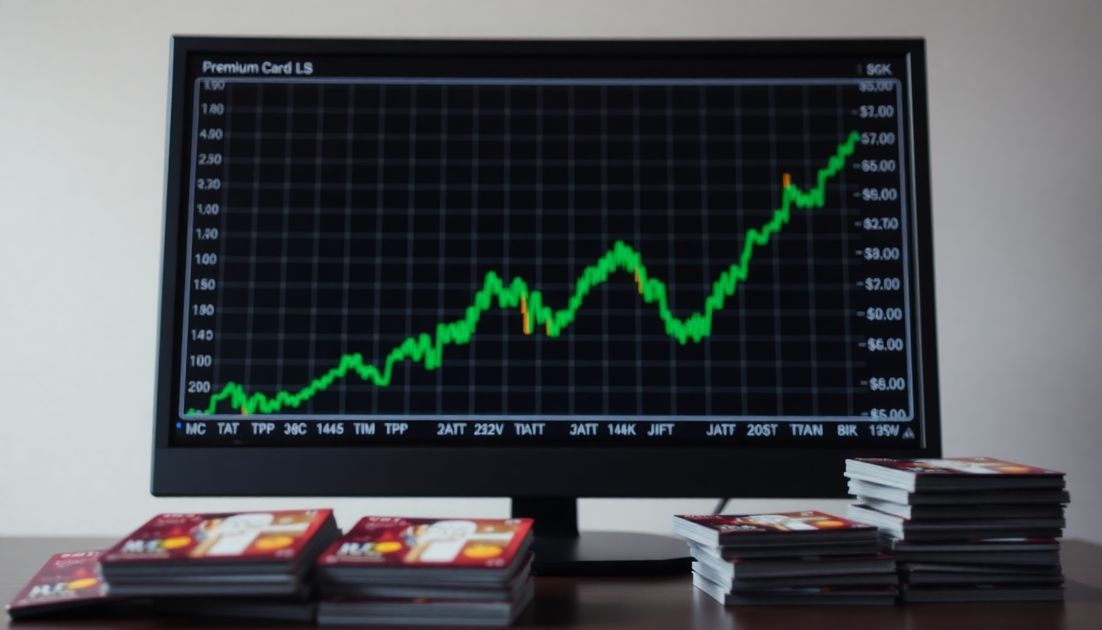
You're staring at a Neo Discovery Tyranitar, wondering if this $400 card will be worth $800 next year or crash to $150. The Rock-type pseudo-legendary has commanded respect since Generation 2, but Tyranitar cards tell a complex story of reprints, power creep, and collector psychology that most buyers completely miss.
Tyranitar's market presence spans over two decades, creating layers of investment opportunity and risk that separate smart collectors from impulsive buyers. Some Tyranitar cards have delivered 300% returns while others lost half their value overnight. Understanding which versions deserve your money requires diving deep into print runs, tournament usage, and the brutal reality of Pokemon card reprints.
The current Tyranitar landscape splits into three distinct categories: vintage WotC cards from 1999-2003, modern competitive playables from 2017-2024, and Japanese exclusive artwork that drives international demand. Each category follows different price patterns and faces unique risks.
Vintage Tyranitar Cards: The Foundation Investment
Neo Discovery Tyranitar (17/75) - The Original Powerhouse
Neo Discovery Tyranitar from June 2000 remains the most iconic Tyranitar card ever printed. Current market data from TCGplayer shows Near Mint copies trading between $380-420, with Lightly Played examples falling to $280-320. Moderately Played copies can be found for $180-220, while Heavily Played examples trade around $120-150.
PSA 10 examples command serious premiums. Recent eBay sold listings show PSA 10 Neo Discovery Tyranitar selling for $2,800-3,200, with the March 15th sale hitting $3,150. PSA 9 copies trade for $1,200-1,400, representing a significant jump from raw Near Mint pricing. The PSA population report shows 1,847 total submissions with only 234 achieving PSA 10 status - roughly 12.7% gem rate.
BGS 9.5 examples with strong subgrades occasionally surface for $1,800-2,200, though the BGS population for this card remains much smaller than PSA. CGC 10 Pristine examples are extremely rare, with only three recorded sales above $2,500 in the past year.
Print run context matters here. Neo Discovery had a substantial print run compared to earlier sets, but card condition deteriorated rapidly due to poor storage habits in 2000-2001. Most copies show edge wear or centering issues that destroy grading potential.
Price momentum has been mixed over the past 12 months. PSA 10 examples peaked at $3,800 in August 2023 before settling into the current $2,800-3,200 range. Raw Near Mint copies actually gained value, rising from $320-350 to current levels around $400. This suggests strong underlying demand despite some cooling in the graded premium market.
Expedition Base Set Tyranitar (66/165) - The e-Card Series Sleeper
Expedition Tyranitar from 2002 represents one of the most undervalued vintage Tyranitar options. TCGplayer market price shows Near Mint copies at $85-110, with Lightly Played examples around $60-75. The e-Card series suffers from lower collector recognition despite being genuinely scarce.
PSA 10 examples trade for $450-650, significantly less than Neo Discovery despite similar scarcity. The PSA population shows 892 total submissions with 127 PSA 10s - actually a higher gem rate at 14.2%. This pricing disconnect creates opportunity for patient collectors.
The e-Card series faced unique challenges. Nintendo's transition from Wizards of the Coast to in-house publishing created distribution issues. Many hobby shops received limited Expedition inventory, leading to genuine scarcity that modern collectors overlook.
Recent price action shows steady growth. PSA 10 examples traded for $300-400 in early 2023, representing 40-50% gains over 12 months. Raw copies also strengthened, with Near Mint examples rising from $65-80 to current levels.
Modern Tyranitar: Tournament Demand Meets Collector Appeal
Tyranitar ex (Paldea Evolved 220/193) - Current Competitive Staple
Paldea Evolved brought Tyranitar back to competitive relevance with Tyranitar ex, creating immediate demand from both players and collectors. The alternate art version (220/193) currently trades for $45-55 on TCGplayer, while regular art copies sell for $12-18.
Pull rates create natural scarcity. Alternate art Pokemon ex appear roughly 1 in 185 packs, making Tyranitar ex 220/193 genuinely difficult to obtain. Tournament results from recent Regional Championships show Tyranitar ex appearing in 15-20% of top-performing decks, driving consistent player demand.
PSA 10 examples of the alternate art reached $180-220 in October 2023 but have cooled to $120-150 currently. This correction reflects broader modern card market softening rather than specific Tyranitar weakness. Raw gem mint copies still command $55-65 premiums over pack-fresh examples.
Japanese market pricing tells a different story. The Japanese alternate art version trades for ¥8,000-10,000 ($55-70), showing stronger domestic demand than international markets suggest. Cardmarket data from Europe shows €40-50 for Near Mint copies, roughly matching US pricing.
Reprint risk looms large for modern cards. Pokemon's tendency to include popular cards in Collection boxes or Premium Collections could crater values overnight. The March 2024 Paldea Evolved Elite Trainer Box Plus already increased supply significantly.
Tyranitar (Lost Origin 124/196) - The Overlooked Alternative
Lost Origin Tyranitar represents a fascinating case study in market inefficiency. Despite featuring excellent artwork and solid competitive applications, this card trades for just $8-12 on TCGplayer. The alternate art version (185/196) commands $25-35, far below other pseudo-legendary alternatives.
Tournament data supports higher pricing. Lost Origin Tyranitar appeared in several top-16 Regional Championship decks during its Standard format tenure. The card's Ability provides genuine utility in specific matchups, yet collectors largely ignored it.
PSA 10 examples of the alternate art trade for $65-85, representing reasonable premiums over raw copies. Population reports show healthy submission numbers without excessive grading, suggesting room for appreciation if broader Tyranitar collecting heats up.
Supply factors work in this card's favor. Lost Origin had a shorter print window than typical modern sets due to Pokemon's accelerated release schedule. Booster box availability dried up quickly, potentially limiting long-term supply.
Japanese Exclusive and Special Release Tyranitar Cards
Pokemon Card Game Classic Tyranitar - Premium Japanese Market
Japan's Pokemon Card Game Classic featured a special Tyranitar card available only through tournament prize support and special events. Current Japanese marketplace data shows these trading for ¥15,000-20,000 ($105-140), with pristine examples reaching ¥25,000+ ($175+).
Extreme scarcity drives pricing. Estimated print run remains under 5,000 copies worldwide, with most remaining in Japanese collections. International availability stays minimal, creating arbitrage opportunities for collectors willing to navigate Japanese purchasing.
Recent eBay sold listings show international buyers paying $180-250 for these cards, representing 40-70% premiums over Japanese domestic pricing. Language barriers and import complexity maintain this price gap.
The card features unique artwork unavailable in any other release, appealing to completionist collectors. Quality control on these special releases typically exceeds regular booster pack cards, leading to higher average condition.
Tyranitar δ (Delta Species) - The Forgotten Metal Type
Pokemon EX Delta Species introduced Tyranitar as a Metal/Darkness dual-type, creating one of the most unique variants in the character's history. Current pricing shows Near Mint copies at $35-45, with the reverse holo version reaching $60-75.
Delta Species cards occupy an interesting collector niche. The 2005 release featured radical type changes and special holographic patterns that differentiate them from standard cards. Tyranitar δ's Metal typing makes it particularly distinctive.
PSA 10 examples trade for $180-220, showing healthy graded premiums. The PSA population indicates 1,234 total submissions with 198 PSA 10s - roughly 16% gem rate. This suggests average centering and print quality for the era.
Competitive applications were limited during Delta Species' Standard format run, keeping player demand minimal. However, casual collectors appreciate the unique typing and artwork, creating steady baseline demand.
Market momentum has been positive over 18 months. Near Mint copies traded for $25-30 in late 2022, representing 40-50% gains. The broader Delta Species appreciation has lifted most cards in the set, including Tyranitar.
Grading Economics and Population Analysis
PSA vs BGS vs CGC: Tyranitar Grading Strategy
Grading service choice significantly impacts Tyranitar card values, with different services commanding varying premiums across different eras. PSA dominates vintage card submissions, while BGS maintains strong presence in modern card grading.
PSA commands highest premiums for vintage Tyranitar cards. Neo Discovery PSA 10 examples consistently sell for 15-20% more than equivalent BGS 9.5 copies. This premium reflects PSA's market recognition and larger population database for comparison shopping.
Modern cards show different patterns. Paldea Evolved Tyranitar ex in BGS 9.5 with strong subgrades often matches PSA 10 pricing, especially with Black Label potential. CGC 10 Pristine examples can exceed both when population numbers stay extremely low.
Turnaround times affect strategy decisions. PSA's current 3-4 month standard service window creates opportunity costs for hot modern cards. BGS's faster turnaround allows quicker market entry but potentially lower resale premiums.
Cost analysis matters for mid-tier cards. Grading a $50 raw card costs $25-30 including shipping, requiring PSA 9+ grades to break even. Lower-value Tyranitar cards often make better sense as raw investments unless condition is exceptional.
Population growth trends show concerning patterns for some cards. Neo Discovery Tyranitar PSA 10 population grew from 198 to 234 over the past year - an 18% increase that explains some price softening. Monitor population reports closely when timing purchases.
Condition Sensitivity and Grading Thresholds
Tyranitar cards show varying condition sensitivity based on era and artwork complexity. Vintage cards with intricate backgrounds hide minor flaws better than modern cards with clean designs and sharp edges.
Neo Discovery Tyranitar's busy background artwork masks light scratches and minor edge wear that would devastate modern card grades. However, centering issues become more apparent due to the distinctive border design. Focus on centering when evaluating raw copies for grading submission.
E-Card series Tyranitar cards present unique challenges. The foil treatment can show fingerprints and hairline scratches invisible in regular lighting but catastrophic under grading examination. Use proper lighting when evaluating these cards for purchase or grading.
Modern Tyranitar cards demand near-perfect condition for top grades. The clean artwork reveals every minor flaw, while improved printing technology makes imperfections stand out more dramatically. Pack-fresh handling becomes essential for grading success.
Surface quality varies significantly between print runs and pack types. Japanese cards typically show superior surface quality compared to English versions, while special releases often exceed regular booster pack standards.
Market Timing and Investment Thesis
Short-Term Price Drivers and Catalysts
Several factors could drive Tyranitar card prices over the next 6-12 months, creating both opportunity and risk for active traders. Understanding these catalysts helps time entry and exit points effectively.
Pokemon's 25th anniversary celebrations continue driving vintage card interest. Tyranitar, as a fan-favorite pseudo-legendary, benefits from this nostalgia wave. However, the anniversary bump may be largely priced in already, limiting additional upside.
Competitive Pokemon format changes could dramatically impact modern Tyranitar card demand. The upcoming rotation to Standard format in April 2024 will remove several key cards, potentially shifting Tyranitar's viability up or down significantly.
Influencer activity remains unpredictable but powerful. Logan Paul's recent Pokemon purchases didn't include Tyranitar cards specifically, but similar high-profile buying could create momentum. Monitor social media activity around major collectors and content creators.
Reprint announcements represent the biggest downside risk. Pokemon's Classic Collection series or similar premium products could include vintage Tyranitar reprints, potentially cratering original card values overnight. This risk affects all eras differently.
Japanese market dynamics increasingly influence international pricing. Weakening yen creates buying opportunities for US collectors willing to navigate international purchasing, while strengthening yen could compress arbitrage margins.
Long-Term Collection Strategy
Building a comprehensive Tyranitar collection requires balancing different eras, conditions, and price points while managing overall portfolio risk. Diversification across time periods helps protect against format-specific downturns.
Vintage cards offer the strongest long-term foundation. Neo Discovery and Expedition Tyranitar cards have survived multiple reprint cycles and maintained collector appeal across decades. These cards represent genuine scarcity that modern reprints cannot replicate.
Modern competitive cards provide shorter-term upside but higher risk. Paldea Evolved Tyranitar ex could double if tournament results improve, but rotation or reprints could cut values in half. Treat these as trading positions rather than long-term holds.
Japanese exclusives create unique opportunity. Language barriers and import complexity maintain pricing inefficiencies that patient collectors can exploit. However, condition concerns and authenticity verification add complexity.
Grade selectively based on economics. PSA 10 vintage cards justify grading costs through significant premiums, while modern cards often need exceptional condition to break even after grading expenses.
Consider raw card premiums carefully. Some collectors prefer raw copies of vintage cards, viewing grading as unnecessary modification. This preference maintains active markets for high-grade raw examples.
Where to Buy Tyranitar Cards: Platform Analysis
TCGplayer vs eBay vs International Markets
Platform choice significantly affects both pricing and transaction security when buying Tyranitar cards. Each marketplace offers distinct advantages and risks that informed collectors must understand.
TCGplayer dominates modern card transactions with verified seller ratings and standardized condition descriptions. Pricing stays competitive due to direct seller competition, while buyer protection covers most transaction issues. However, vintage card selection can be limited compared to eBay.
eBay provides the largest selection of vintage Tyranitar cards, including rare Japanese releases and graded examples. Auction format allows occasional below-market purchases, especially on less-recognized cards like Delta Species variants. Watch for shill bidding on high-value auctions and verify seller feedback carefully.
Cardmarket serves European collectors with competitive pricing and strong buyer protection. Tyranitar cards often trade 10-15% below US pricing due to market arbitrage opportunities. However, import duties and shipping costs can eliminate advantages for US buyers.
Japanese marketplaces like Yahoo Auctions offer access to exclusive releases and often superior condition cards. Language barriers create buying opportunities but also increase transaction risk. Use established proxy services for significant purchases.
Pokemon Center official releases provide guaranteed authenticity for special Tyranitar products but typically at premium pricing. Monitor for exclusive releases or reprints that could affect secondary market values.
Timing Your Purchases: Seasonal Patterns and Market Cycles
Tyranitar card pricing follows predictable seasonal patterns that smart collectors can exploit for better entry points. Understanding these cycles improves buying timing and reduces average cost basis.
January-March typically offers the best buying opportunities as collectors sell cards to fund tax obligations or clear inventory. Vintage cards show 5-10% seasonal discounts during this period, while modern cards can drop 15-20% from holiday highs.
Summer months bring increased activity as school schedules allow more tournament participation. Modern competitive cards like Paldea Evolved Tyranitar ex often peak during June-August tournament seasons. Plan selling timing around major competitive events.
Holiday seasons drive collector gift-buying but also create supply as people liquidate collections for cash. December shows mixed patterns with strong demand but increased seller activity. Monitor closely for opportunities.
Set rotation announcements create predictable price movements for competitive cards. Cards rotating out of Standard format typically crash 30-50% overnight, while cards remaining legal often see temporary spikes. Time purchases around official rotation announcements.
Anniversary celebrations and special events can drive vintage card spikes. Pokemon's 25th anniversary pushed many vintage cards up 20-40% during peak celebration periods. Watch for similar catalysts around major Pokemon milestones.
The Tyranitar market rewards patient collectors who understand print runs, competitive applications, and collector psychology. Vintage cards offer the strongest long-term foundation despite higher entry costs, while modern cards provide shorter-term trading opportunities with greater volatility.
Focus on condition quality and grading economics when building positions. PSA 10 vintage cards justify premium pricing through scarcity and collector demand, while modern cards require careful cost analysis to determine grading viability.
Diversification across eras and price points reduces portfolio risk while maintaining upside exposure. Combine stable vintage holdings with selective modern positions and occasional Japanese exclusive opportunities for balanced Tyranitar exposure.
Monitor reprint risks constantly, especially for modern cards. Pokemon's aggressive reprint schedule can destroy values quickly, making position sizing and exit strategy planning essential for capital preservation.
The most successful Tyranitar collectors combine market knowledge with genuine appreciation for the cards themselves. This dual motivation provides staying power through market volatility while maintaining long-term conviction in the collecting thesis.