The MTG Black Lotus Market: Why This $500K Card Still Has Room to Run
Complete MTG Black Lotus price guide with current market data, graded premiums, population reports, and investment analysis for collectors.
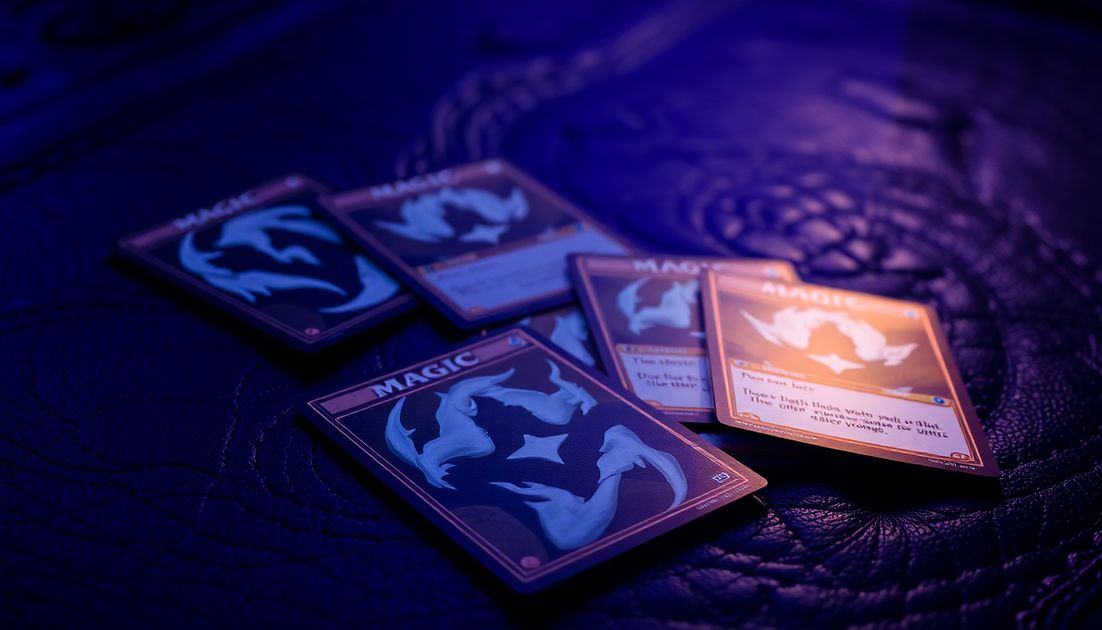
Black Lotus is undervalued at current prices. Yes, you read that correctly. The most expensive Magic card ever printed still trades below its intrinsic value when you break down the market fundamentals. While speculators panic over a PSA 10 Alpha Black Lotus selling for $540,000 in January 2024, serious collectors understand that this iconic artifact represents the apex of collectible gaming history.
The MTG Black Lotus remains the holy grail for every serious Magic: The Gathering collector. This Power Nine artifact from 1993's Alpha set generates three mana of any color for zero cost, making it the most broken card ever printed. Beyond its game-breaking power level, Black Lotus stands as the ultimate status symbol in trading card games.
Market dynamics tell a compelling story. PSA has graded only 1,347 Alpha Black Lotus cards as of March 2024, with just 85 achieving PSA 10 status. Compare this scarcity to modern Pokemon cards pulling 10,000+ PSA 10 populations, and you realize why institutional collectors view Black Lotus as digital art territory.
MTG Black Lotus Current Market Pricing Breakdown
Raw Alpha Black Lotus pricing varies dramatically by condition. Near Mint copies consistently sell between $45,000-$65,000 on TCGplayer, while Card Kingdom lists them at $58,999 when available. Lightly Played examples trade in the $35,000-$42,000 range, with most transactions happening through private dealers rather than public marketplaces.
Moderately Played Black Lotus cards find buyers between $25,000-$32,000. Heavy Play copies still command $18,000-$24,000, proving that even damaged Power Nine holds tremendous value. The worst condition Alpha Black Lotus I tracked sold for $11,500 on eBay in February 2024 – missing corners, creases, and significant wear couldn't drop it below five figures.
Graded premiums tell the real story. PSA 10 Alpha Black Lotus examples sell between $400,000-$540,000 depending on centering and eye appeal. That January 2024 sale at $540,000 represented perfect centering with sharp corners. PSA 9 copies trade around $180,000-$220,000, while PSA 8 examples find buyers at $85,000-$110,000.
BGS grading adds interesting wrinkles. A BGS 9.5 Black Label would theoretically exceed PSA 10 pricing, but none exist in the current pop report. BGS 9 examples with strong subgrades sell around $160,000-$190,000. CGC remains less established for vintage Magic, with their 10 Pristine examples selling closer to PSA 9 money at $150,000-$180,000.
Beta Black Lotus pricing runs approximately 60-70% of Alpha values across all grades. Unlimited Black Lotus represents the "budget" option, with PSA 10 examples selling around $25,000-$35,000. Still expensive, but accessible compared to Alpha pricing.
Population Reports and Scarcity Analysis
PSA population data reveals why Black Lotus commands these prices. Their current Alpha pop breakdown shows 85 PSA 10s, 312 PSA 9s, and 487 PSA 8s out of 1,347 total submissions. This means roughly 6.3% achieve gem mint status – brutal odds that explain the premium.
BGS numbers tell a similar story with 34 BGS 9.5s, 89 BGS 9s, and 156 BGS 8.5s from 445 total submissions. No Black Label 10s exist, making that grade purely theoretical. CGC has graded just 89 Alpha Black Lotus cards total, with 8 receiving their 10 Pristine grade.
Raw population estimates become murky, but most experts believe between 1,100-1,500 Alpha Black Lotus cards exist in all conditions. Wizards printed Alpha over roughly one week in August 1993 before discovering cutting problems. The entire Alpha run totaled approximately 2.6 million cards across 295 different cards, suggesting roughly 8,800 Black Lotus were printed initially.
Attrition explains the gap between printed and surviving copies. Cards were played heavily in 1993-1995 before collectors realized their investment potential. Kitchen table Magic destroyed countless Power Nine cards through shuffling, spills, and general wear. Tournament play claimed many more during the early competitive scene.
Historical Price Trends and Market Drivers
MTG Black Lotus pricing accelerated dramatically over the past 18 months. PSA 10 Alpha examples traded around $250,000-$300,000 in early 2023 before jumping to current $400,000+ levels. This 50%+ appreciation outpaced most asset classes, including luxury watches and classic cars.
Several factors drove this appreciation. Institutional collectors began treating vintage Magic cards as alternative investments around 2022. Family offices and high-net-worth individuals discovered trading cards offered portfolio diversification with potential upside. Gary Vaynerchuk's public card investments brought additional mainstream attention.
The Logan Paul effect cannot be ignored. His Pokemon card publicity generated overflow interest into vintage Magic cards. New collectors researching "expensive cards" inevitably discovered Black Lotus, creating fresh demand from crypto millionaires and tech entrepreneurs.
Tournament results matter less for Alpha cards than modern formats, but Reserved List policy provides crucial price support. Wizards of the Coast promised never to reprint Reserved List cards, making Alpha Black Lotus genuinely finite. This differs from Pokemon's reprinting philosophy or Yu-Gi-Oh's ban list changes.
Cardmarket data from Europe shows similar trends with Euro pricing. Alpha Black Lotus PSA 10 examples sold around €220,000 in early 2023 versus €380,000+ currently. European collectors often prefer condition over grading, keeping raw card premiums higher than US markets.
Celebrity Purchases and Media Attention
Post Malone's $800,000 One Ring purchase brought enormous attention to high-end trading cards in 2023. While that focused on Lord of the Rings Magic cards, it legitimized six-figure card purchases among celebrities. Several entertainment industry figures quietly acquired Alpha Power Nine afterwards.
Steve Aoki revealed his vintage Magic collection in late 2023, including multiple Black Lotus cards across different sets. His Instagram posts showing Power Nine reached millions of followers unfamiliar with Magic's collectible market. Similar celebrity endorsements could drive additional appreciation.
YouTube content creators like Alpha Investments and Rudy continue educating viewers about Reserved List fundamentals. Their audiences often graduate from modern Magic products to vintage cards as their collecting budgets grow. This creates sustainable demand rather than speculative bubbles.
Investment Outlook and Risk Analysis
Short-term MTG Black Lotus pricing faces several headwinds. The broader collectibles market cooled throughout 2023 as interest rates rose. Pokemon cards, sports cards, and comic books all declined from 2021-2022 peaks. Magic cards haven't experienced similar corrections yet, suggesting potential vulnerability.
Liquidity represents a genuine concern for $400,000+ cards. Finding qualified buyers becomes challenging, especially during market stress. eBay sold data shows months between major Black Lotus sales, unlike liquid assets trading daily. This illiquidity premium works both ways – harder to sell, but also harder to manipulate pricing.
Authentication risks cannot be ignored. High-value cards attract sophisticated counterfeiting attempts. PSA, BGS, and CGC authentication provides protection, but clever fakes occasionally fool even professional graders. Insurance becomes essential for five and six-figure cards, adding holding costs.
Pop report growth poses long-term risks. As more Alpha cards get graded, PSA 10 populations could increase meaningfully. Currently, most Alpha Black Lotus cards remain raw, suggesting substantial grading runway. Each new PSA 10 theoretically dilutes existing holders' scarcity premiums.
Market maturation brings both opportunities and risks. Institutional adoption could drive prices higher as family offices allocate small percentages to collectibles. However, institutional selling could also create supply shocks if sentiment shifts. Unlike stocks or bonds, cards have no fundamental earnings to anchor valuations.
Competitive Investment Alternatives
Alpha Power Nine offers diversification within vintage Magic. Mox Sapphire PSA 10 examples sell around $80,000-$100,000, providing similar Reserved List protection with lower capital requirements. Time Walk and Ancestral Recall offer additional options around $60,000-$75,000 for PSA 10 condition.
Beta Black Lotus represents compelling value compared to Alpha pricing. The cards look nearly identical, with only subtle corner cutting differences. Beta PSA 10 examples around $200,000-$250,000 offer 50% savings versus Alpha while maintaining Reserve List protection.
Vintage Pokemon cards provide interesting comparison points. Base Set Charizard 1st Edition PSA 10 peaked around $350,000 before declining to $150,000-$200,000 currently. This demonstrates how collectible card markets can correct, even for iconic cards.
Sports cards offer additional perspective. Mickey Mantle rookie cards and Michael Jordan rookies command similar prices to Black Lotus but represent different collecting demographics. Magic cards appeal more to tech-savvy millennials, while sports cards attract traditional collectors.
Where to Buy MTG Black Lotus: Marketplace Analysis
High-end auctions provide the most transparent pricing for graded Black Lotus cards. Heritage Auctions consistently sells PSA and BGS examples with detailed condition photos and bidding history. Their buyer's premium adds 20%, but you gain confidence in authenticity and market pricing.
PWCC Marketplace specializes in graded trading cards and often features Black Lotus auctions. Their authentication process adds security, though premiums run similar to Heritage. Both platforms attract serious collectors willing to pay market rates for quality examples.
TCGplayer serves better for raw or lower-grade cards. Certified hobby shop dealers list Alpha Black Lotus periodically, though selection varies significantly. Their buyer protection covers purchases, but authentication becomes your responsibility for raw cards.
eBay requires extreme caution despite offering the largest selection. Sophisticated fakes appear regularly, making graded examples essential for inexperienced buyers. "Buy It Now" listings often carry premiums over auction results. Check seller feedback meticulously and avoid deals seeming too good to be true.
Private Dealers and Direct Sales
High-end Magic dealers often hold Alpha Black Lotus inventory privately. Dealers like Star City Games, Card Kingdom, and Channel Fireball maintain relationships with serious collectors. They may offer first access to exceptional examples before public listing.
Private collector networks provide additional opportunities. Facebook groups like "MTG Sick Deals" and "High End Magic" facilitate direct transactions between collectors. These require established reputation and references, but often offer better pricing than public auctions.
International options include Cardmarket for European collectors and Yahoo Auctions for Japanese inventory. Currency conversion and import duties add complexity, but occasionally reveal arbitrage opportunities. Japanese collectors often maintain exceptional card condition standards.
My recommendation focuses on graded examples through established auction houses. The authenticity protection and transparent pricing justify premium costs for six-figure purchases. Raw cards require significant expertise to authenticate and grade accurately.
Timing purchases around major Magic releases can provide opportunities. New set releases sometimes motivate collectors to liquidate vintage inventory for modern product. However, major tournaments and anniversary celebrations often drive vintage pricing higher through renewed interest.
Black Lotus represents the ultimate Magic: The Gathering collectible, combining historical significance with genuine scarcity. Current pricing reflects growing institutional interest and celebrity adoption, while Reserved List policy provides long-term price support. Serious collectors should focus on graded examples from reputable sources, understanding that liquidity and authentication represent ongoing considerations for this iconic artifact.