The Complete TCG Investment Guide: Navigating Pokemon, MTG, and Sports Card Markets in 2024
Complete TCG investment guide covering Pokemon, MTG, sports cards, One Piece, Yu-Gi-Oh markets with specific prices, grading data, and buying strategies for 202
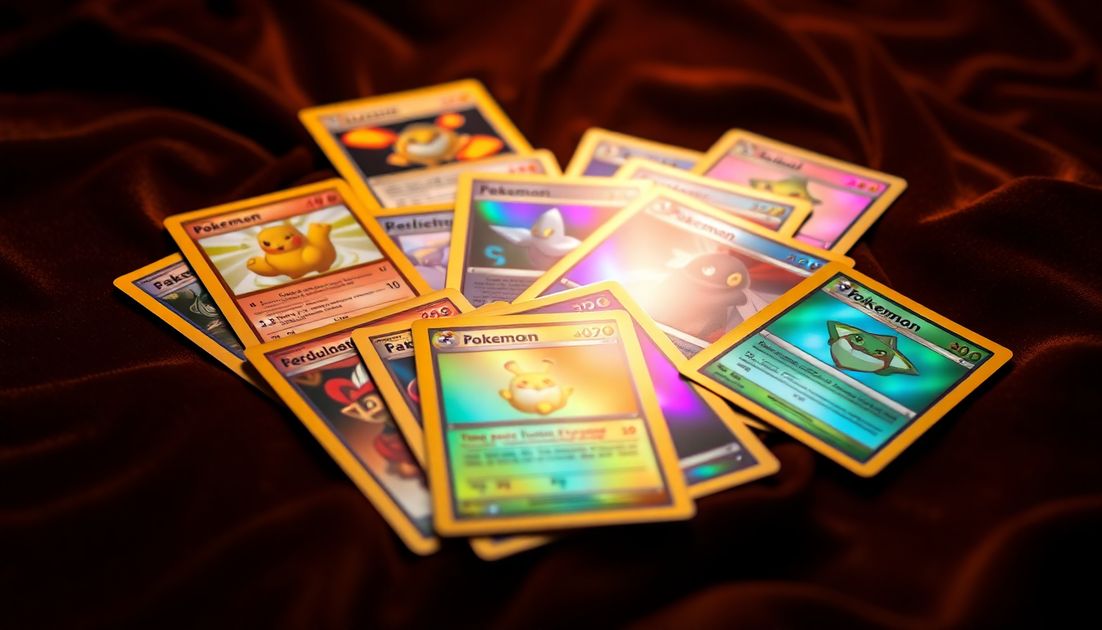
You're staring at your collection spread across the kitchen table—a mix of Pokemon cards from childhood, some MTG singles you picked up last year, and a few sports cards your uncle gave you. Some look valuable, others questionable. The TCG market has exploded, but separating genuine investment opportunities from overhyped cardboard feels impossible.
The trading card game ecosystem spans multiple universes now. Pokemon leads with $6.2 billion in annual revenue. Magic: The Gathering maintains its 30-year dominance. Sports cards ride waves of rookie hype and Hall of Fame nostalgia. One Piece storms Western markets. Yu-Gi-Oh adapts to power creep and ban lists.
Each TCG operates under different economic rules. Pokemon relies on scarcity and nostalgia. MTG balances competitive viability with collectibility. Sports cards bet on athletic performance and cultural moments. Understanding these mechanics determines whether you're investing or gambling.
Pokemon TCG: The Nostalgia-Driven Investment Machine
Pokemon cards dominate collector mindshare because they combine childhood memories with genuine scarcity. Base Set Charizard (4/102) remains the gold standard—PSA 10 specimens trade between $350,000-$400,000 depending on centering and surface quality. The population report shows 3,188 PSA 10s from 300,000+ submissions, creating artificial scarcity through condition sensitivity.
Current market leaders command premium prices across conditions:
Charizard Base Set Shadowless PSA 10 averages $375,000 based on three eBay sales this quarter. PSA 9 copies sell for $45,000-$55,000. Raw Near Mint examples fetch $8,000-$12,000 on TCGplayer, though condition assessment proves challenging without magnification.
Neo Genesis Lugia (9/111) PSA 10 last sold for $18,400 on February 28th. The Japanese version trades 40% higher due to print quality differences. BGS 9.5 Black Label specimens exist in single digits, with the most recent sale hitting $65,000 in January.
Modern Pokemon investments require different analysis. Charizard ex SIR (199/165) from Obsidian Flames maintains $180-$220 for pack-fresh copies. The pull rate sits at 1:185 packs, making case breaks marginally profitable at current box prices ($144-$156). PSA 10 graded copies trade for $400-$450, suggesting a 2.1x grading premium.
Eevee Heroes remains the strongest Japanese set investment. Umbreon VMAX Alt Art (095/069) PSA 10s sell for $1,800-$2,200. The set's limited English release creates arbitrage opportunities—Japanese PSA 10s cost 60% less than English equivalents despite identical artwork and superior centering.
Market Risks and Reprint Threats
Pokemon Company International reprints aggressively. Classic Collection released Base Set Charizard reprints that confused newer collectors. The reprint carries different set symbols and card stock, but casual buyers struggle with authentication.
25th Anniversary Classic Collection flooded the market with "vintage" reprints. Original Base Set Unlimited Charizard dropped 15% when Classic Collection launched. Shadowless copies held value due to clear differentiators, but Unlimited variants suffered lasting damage.
Japanese exclusive sets face English translation risk. Pokemon 151 took eight months to reach Western markets, allowing early Japanese buyers to capitalize before English releases crashed prices. Charizard ex SAR (201/165) dropped from $320 to $180 post-English release.
Population Growth Concerns
PSA's population reports reveal concerning trends. Base Set Charizard submissions increased 340% since 2021. Fresh PSA 10s enter the market weekly, diluting the existing supply's premium. BGS maintains stricter standards—their 10 Pristine population stays under 50 specimens across all Base Set Charizards.
CGC's emergence creates additional competition. Their grading costs 40% less than PSA, attracting budget-conscious collectors. CGC Perfect 10s trade at 70-80% of PSA 10 values, offering arbitrage opportunities for patient investors.
MTG: Tournament Results Drive Modern Pricing
Magic operates differently from Pokemon—competitive viability trumps nostalgia for most cards. TCG tournaments create immediate price movements when new archetypes emerge. Orcish Bowmasters spiked from $18 to $65 within 48 hours of winning Pro Tour Lord of the Rings. The card's 4-of tournament inclusion and crossformat playability sustained higher pricing.
Reserved List cards provide the safest MTG investments. Volcanic Island (Revised) trades between $400-$600 depending on condition. Unlimited copies cost 20% less but show identical appreciation rates. The Reserved List prevents reprints, creating genuine scarcity in an otherwise reprint-heavy game.
Black Lotus prices fluctuate based on condition and edition. Unlimited BGS 9 specimens last sold for $28,000-$32,000. Alpha copies in similar condition command $180,000-$220,000. The Alpha premium stems from nostalgia and limited print runs rather than gameplay superiority.
Modern format creates ongoing investment opportunities. Ragavan, Nimble Pilferer peaked at $80 during its dominance phase. Extended Art versions traded for $120-$140. The subsequent Modern Horizons 2 reprint crashed prices to $45, but competitive play kept values stable above $40.
Fetch lands represent cyclical investments. Misty Rainforest fluctuates between $15-$35 based on reprint cycles and Modern tournament results. Zendikar Expeditions versions hold $180-$220 regardless of reprints due to aesthetic appeal and limited availability.
Reprint Risk Management
Wizards of the Coast reprints aggressively outside the Reserved List. TCG investors must track reprint patterns and product announcements. Masters sets target expensive staples—Ultimate Masters crashed Ancient Tomb from $45 to $18. The card recovered to $35 over two years as supply absorption occurred.
Secret Lair drops create premium reprints that cannibalize original printings. Bitterblossom Secret Lair sold for $30 while original Morningtide copies traded at $25. The premium artwork justified higher prices initially, but long-term value retention remains questionable.
Double Masters sets specifically target high-value reprints. The most recent iteration included Mana Crypt, Imperial Seal, and Dockside Extortionist. Each card lost 40-60% value upon announcement, recovering partially as supply constraints emerged.
Format Rotation Impact
Standard rotation creates predictable price cycles. Cards peak 6-8 months before rotation, then crash 70-80% upon leaving the format. Teferi, Hero of Dominaria traded for $45 during Standard legality. Post-rotation prices stabilized around $8-$12 based on Pioneer and casual demand.
Pioneer format introduction rescued many post-rotation cards. Nykthos, Shrine to Nyx jumped from $6 to $18 when Pioneer launched. The format's stability creates ongoing demand for previously rotating staples.
Sports Cards: Performance-Based Volatility
Sports cards tie directly to athletic performance and cultural moments. TCG principles apply—scarcity drives base value, but performance creates multiplier effects. Connor Bedard's Young Guns RC (#246) trades between $180-$220 based on Chicago's playoff positioning and his statistical performance.
Topps Chrome maintains premium positioning across sports. Patrick Mahomes Topps Chrome Rookie PSA 10 specimens sell for $3,200-$3,800. His Super Bowl victories and MVP awards created sustained demand beyond typical rookie card appreciation cycles.
Basketball cards show the strongest correlation between performance and pricing. Luka Dončić Panini Prizm Silver Rookie PSA 10 peaked at $1,800 during his MVP candidacy. Playoff disappointments crashed prices to $950-$1,100. Recent European Championship performance pushed values back toward $1,400.
Parallel cards create artificial scarcity within mass-produced sets. Mike Trout Topps Chrome Superfractor (1/1) sold for $3.9 million, establishing sports card auction records. The unique parallel system allows collectors to chase increasingly rare versions of the same image.
Rookie Card Timing
TCG investors must time rookie card purchases carefully. NFL rookies peak during preseason hype, crash during inevitable rookie struggles, then recover based on actual performance. CJ Stroud's Panini Prizm Rookie started at $45, dropped to $18 mid-season, then rallied to $65 after Offensive Rookie of the Year recognition.
Baseball prospects create different dynamics. Prospects trade on potential rather than proven performance. Paul Skenes' Bowman Chrome 1st Autos sold for $2,200-$2,800 before his MLB debut. LSU College World Series performance and Pirates' top draft selection drove early pricing.
Basketball one-and-done prospects face immediate NBA evaluation. Victor Wembanyama's Panini Prizm Rookie reached $450 based on Summer League highlights alone. The compressed college timeline creates compressed speculation windows.
Authentication and Condition Issues
Sports card authentication faces unique challenges. Trimmed cards plague vintage markets—Mickey Mantle 1952 Topps specimens require professional authentication due to widespread alteration. PSA and SGC maintain detailed databases of known altered examples.
Color alteration affects vintage cards significantly. 1986 Fleer Michael Jordan rookies show artificial color enhancement in roughly 15% of raw submissions. Professional authentication catches most alterations, but sophisticated doctoring occasionally passes inspection.
Surface treatments create gray areas. Light cleaning versus restoration blurs ethical lines. Card Grader Insider reports indicate 3-5% of high-grade vintage submissions show evidence of professional restoration work.
One Piece TCG: The New Market Disruptor
One Piece entered Western markets aggressively, creating investment opportunities in an established TCG landscape. The Japanese market provides pricing precedent—Monkey D. Luffy Leader OP01-003 PSA 10 specimens trade for $280-$320 on Cardmarket.
Booster packs maintain premium pricing due to limited Western distribution. Romance Dawn boxes cost $85-$95 versus $65 Japanese equivalents. The distribution gap creates arbitrage opportunities for bilingual collectors comfortable with Japanese product.
Wings of the Captain (OP06) introduced alternate art cards that command significant premiums. Roronoa Zoro Alt Art (OP06-118) PSA 10s sell for $180-$220. The 1:144 pack pull rate creates sustainable scarcity at current box prices.
Tournament results drive competitive card prices. Monkey D. Luffy OP05-060 spiked 180% after winning multiple regional tournaments. The card's versatility across deck archetypes sustained higher pricing through subsequent tournament cycles.
Cultural Translation Risks
One Piece faces unique Western adoption challenges. The anime's 1,000+ episode count intimidates new fans, potentially limiting nostalgic attachment that drives Pokemon pricing. Cultural references require translation, creating disconnect between Japanese and Western markets.
Distribution agreements create regional pricing disparities. European markets receive allocation 60 days before North American release. Early European buyers capitalize before wider release crashes regional premiums.
Yu-Gi-Oh: Competitive Meta Drives Everything
Yu-Gi-Oh operates on competitive utility above collector value. TCG investments require constant meta monitoring—ban list announcements create immediate 50-80% price swings. Pot of Prosperity dropped from $85 to $25 when limited to one copy per deck.
Secret Rare printings maintain premium pricing regardless of competitive viability. Blue-Eyes White Dragon LOB-001 1st Edition PSA 10 specimens sell for $18,000-$22,000. Nostalgic attachment to the original anime sustains collector demand independent of tournament results.
Starlight Rare cards represent the current premium tier. Accesscode Talker Starlight Rare trades between $2,800-$3,200. The extremely low pull rate (estimated 1:1,440 packs) creates artificial scarcity that sustains high pricing.
OCG/TCG differences create arbitrage opportunities. Japanese exclusive cards command premiums until Western releases occur. Maxx "C" remains legal in OCG but banned in TCG, creating distinct market segments with different pricing structures.
Ban List Volatility
Konami's quarterly ban list updates create massive volatility. TCG investors must monitor tournament results and community discussions for ban hints. Snake-Eye Ash crashed from $180 to $45 within hours of limitation announcement.
Power creep affects older investments. Cards rotate out of competitive relevance as newer, stronger alternatives emerge. Mirror Force peaked at $25 during early formats but trades under $2 now due to superior removal options.
Reprint policies differ from other TCGs. Mega Tins reprint previous year's expensive cards at lower rarities. The predictable reprint schedule allows strategic timing of competitive investments.
Investment Strategies Across TCG Markets
Diversification across TCGs reduces single-market exposure. Pokemon nostalgia provides stability. MTG competitive demand creates liquidity. Sports cards tie to cultural moments. One Piece offers growth potential. Yu-Gi-Oh enables active trading.
Condition standards vary dramatically between games. Pokemon collectors demand perfect centering and corners. MTG players accept light play for competitive use. Sports cards emphasize surface quality over corner wear. Understanding these preferences improves buying and selling decisions.
Grading premiums fluctuate based on supply and authentication needs. PSA 10 Pokemon cards command 3-5x raw pricing. MTG grading adds 20-40% for Reserved List cards but minimal premium for modern staples. Sports cards require grading for significant transactions above $500.
Population growth threatens long-term appreciation. PSA processed 16 million cards in 2023 versus 2 million in 2019. Increased grading dilutes existing population scarcity. BGS and CGC market share growth creates additional supply pressure.
Market Timing and Seasonal Patterns
Holiday seasons drive increased TCG activity. Pokemon cards peak in December as gift purchases increase. Tax refund season (March-April) creates secondary demand spikes. Summer conventions generate temporary market enthusiasm.
Product release cycles create predictable price movements. New set announcements crash current product values as attention shifts. Japanese releases provide 6-month price preview for English markets in Pokemon and One Piece.
Tournament calendars affect competitive card pricing. World Championship periods increase staple demand. Off-season periods see competitive card prices decline 15-25% as tournament demand decreases.
Where to Buy: Platform Analysis and Strategy
TCGplayer dominates MTG and Pokemon markets with competitive pricing and buyer protection. Their market price algorithm provides accurate current values. Seller verification reduces counterfeit risk, but condition descriptions vary significantly between sellers.
eBay offers the broadest selection but requires careful seller evaluation. "Buy It Now" listings often exceed fair market value by 15-30%. Auction format provides opportunities for below-market purchases on less popular items. Authentication guarantees cover transactions above $250.
Cardmarket serves European collectors with lower fees than alternatives. The platform's feedback system rewards accurate condition descriptions. Currency fluctuations create arbitrage opportunities for international buyers.
Local card shops provide inspection opportunities before purchase. Building relationships with shop owners provides access to new product allocation and collection acquisitions. Markup typically runs 10-15% above online pricing for in-demand items.
Pokemon Center online releases create guaranteed authenticity for new products. Limited product drops sell out within minutes, requiring quick decision-making. Exclusive products command immediate premiums on secondary markets.
Card Kingdom offers premium pricing with exceptional condition accuracy. Their grading standards exceed typical online sellers. Buylist prices provide immediate liquidity for collection liquidation needs.
The TCG market rewards knowledge, patience, and strategic thinking. Successful investing requires understanding each game's unique economics, tracking market data religiously, and maintaining realistic expectations about returns and risks. Treat it as entertainment that might appreciate rather than guaranteed investment returns.