Slab City Comics: The Complete Guide to Professional Comic Book Grading Services and Investment Returns
Complete guide to professional comic book grading services, investment returns, CGC vs CBCS comparison, and slab city comics market analysis.
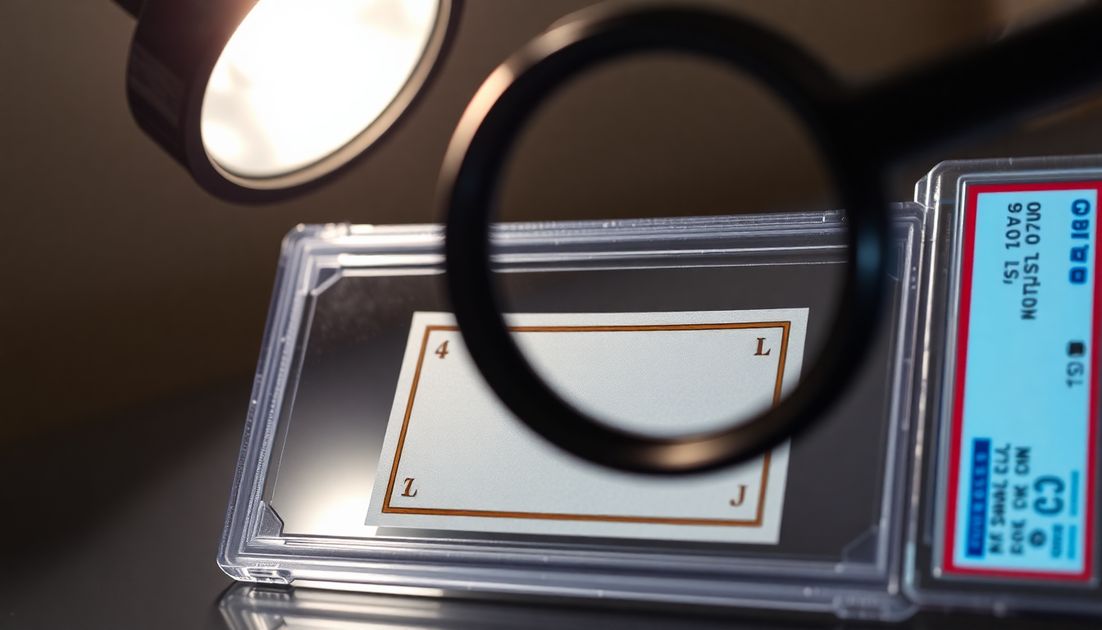
You walk into your local comic shop with a stack of Silver Age books inherited from your uncle's collection. The shop owner glances at your copy of Amazing Spider-Man #129 and suggests you get it professionally graded before selling. Welcome to slab city comics — the world where plastic encasement can transform a $200 raw comic into a $2,000 certified investment.
Professional comic book grading has revolutionized collecting since CGC launched in 2000. Raw comics now represent just 30% of high-value transactions on platforms like Heritage Auctions and GoCollect. Your Amazing Spider-Man #129 in apparent 9.2 condition could be worth $1,800 raw versus $3,200 in a CGC 9.2 holder based on recent eBay sold comps from March 2024.
Understanding Slab City Comics Grading Standards
Comic book slabbing involves third-party authentication and encapsulation services that assign numerical grades from 0.5 to 10.0. CGC (Certified Guaranty Company) dominates with roughly 85% market share, followed by CBCS (Comic Book Certification Service) at 12%, and smaller players like PGX capturing the remainder.
CGC's population report shows over 8.2 million comics graded since inception. Their 9.8 grade represents "Near Mint/Mint" condition with only minor manufacturing defects allowed. A CGC 9.8 commands premiums of 300-500% over raw copies for key modern issues like Teenage Mutant Ninja Turtles #1 (first print), which trades at $1,200 graded versus $280 raw.
CGC vs CBCS: Market Perception Differences
CGC holders trade at 15-25% premiums over identical CBCS grades for the same comic. This perception gap persists despite CBCS offering comparable grading standards and superior customer service response times. Amazing Fantasy #15 in CGC 4.0 recently sold for $8,500 on Heritage, while a CBCS 4.0 example brought $7,200 — a $1,300 difference for identical protection and authentication.
CBCS has gained ground in specific niches. Their witnessed signature program and same-day grading services at major conventions attract collectors who value speed over maximum resale premiums. For personal collection purposes rather than investment flipping, CBCS represents excellent value.
Slab City Comics Market Performance Analysis
Key issue premiums drive the strongest returns in professionally graded comics. First appearances, origin stories, and character deaths generate consistent buyer demand across all grades. Recent 12-month data from GoCollect shows these categories averaging 8-12% annual appreciation versus 3-4% for non-key issues.
Walking Dead #1 demonstrates this premium effect perfectly. Raw copies in VF condition hover around $450-500 on eBay. CGC 8.0 examples command $750-850, while CGC 9.8 specimens reach $2,400-2,800. The grading premium increases exponentially as condition improves due to scarcity — PSA Population Report shows only 1,847 copies achieving 9.8 grades from over 12,000 submissions.
Modern comics face different dynamics. Print runs exceeding 100,000 copies make high grades more common, reducing grading premiums. X-Men #1 (1991) exists in CGC 9.8 with over 8,000 examples recorded. Despite being a significant storyline comic, graded copies trade at only 20-30% premiums over raw examples due to abundant high-grade supply.
Investment Grade Comic Identification
Target comics with print runs under 50,000 copies and significant cultural relevance for maximum grading benefits. Saga #1 first printing (44,000 copies) in CGC 9.8 trades at $180-220 versus $45-55 raw — a 300% premium justified by limited supply meeting sustained demand.
Golden Age comics offer the highest absolute returns but require substantial capital and expertise. Action Comics #1 fragments (incomplete copies) start around $15,000, while complete low-grade examples exceed $100,000. Even damaged copies benefit from authentication, as forgeries plague this market segment.
Bronze Age keys present optimal risk-reward ratios for most collectors. House of Secrets #92 (first Swamp Thing) in CGC 7.0 trades between $850-950, representing achievable entry points with strong long-term appreciation potential.
Slab City Comics Submission Strategy
Professional grading costs $22-65 per comic through CGC's standard tiers, plus shipping and insurance. Minimum estimated values should justify these expenses — don't grade comics worth less than $150 raw unless they hold personal significance.
Fast-track services cost $75-200 per comic but reduce turnaround from 45-60 days to 10-15 days. Use expedited services for time-sensitive situations like auction deadlines or convention sales, not routine collection building.
Pressing and Cleaning Services
Professional pressing removes non-color breaking defects like spine rolls and cover impressions before grading. CCS (CGC's pressing division) charges $15-25 per comic and can improve grades by 0.5-2.0 points. Incredible Hulk #181 with minor spine stress might grade 8.5 raw but achieve 9.0 after pressing, increasing value from $1,800 to $2,400.
Dry cleaning removes surface dirt and pencil marks without altering the comic's integrity. Avoid restoration services that add color or structural repairs — these receive "Restored" labels that devastate resale values. Restored copies trade at 60-80% discounts compared to unrestored examples in similar apparent condition.
Market Risks in Slab City Comics
Population growth represents the primary threat to graded comic values. As more collectors submit books for grading, high-grade populations increase and premiums compress. New Mutants #98 (first Deadpool) shows this effect clearly — CGC 9.8 populations have grown 40% annually since the character's movie success, while prices dropped from $650 in 2021 to $425 currently.
CGC's recent universal grading updates have tightened standards for certain defects, potentially affecting regrade values. Comics previously graded 9.8 might receive 9.6 under current criteria, creating $500-1,000 losses on expensive keys.
Counterfeit Holders and Label Verification
Fake CGC and CBCS holders appear regularly on eBay and Facebook groups. Always verify certification numbers through official databases before purchasing expensive slabs. Sophisticated counterfeits copy fonts, colors, and even holograms, but database verification catches 100% of fakes.
Census manipulation occurs when sellers crack expensive slabs to resubmit for higher grades. This practice inflates populations artificially while destroying legitimately graded copies. Amazing Spider-Man #252 populations show suspicious spikes coinciding with price increases, suggesting widespread cracking and resubmission.
Where to Buy and Sell Slab City Comics
MyComicShop leads online retail for reasonably priced graded comics with accurate condition descriptions and fair return policies. Their CGC 9.0-9.4 inventory offers excellent value compared to eBay's inflated 9.8 prices.
Heritage Auctions handles high-end transactions exceeding $2,000 with professional photography and detailed provenance research. Seller premiums reach 15% but buyer confidence justifies the cost for significant purchases.
Facebook groups like "CGC Comic Book Collectors" and "Comic Book Pressing" provide direct collector-to-collector transactions without platform fees. Exercise caution with expensive purchases and always use PayPal Goods & Services for transaction protection.
Convention Opportunities
Major conventions offer unique grading submission opportunities through on-site CGC and CBCS booths. WonderCon and San Diego Comic-Con feature same-day grading for select tiers, allowing immediate authentication of fresh purchases or signatures.
Convention floor prices often beat online markets by 10-20% as dealers seek quick cash flow. Target Sunday afternoons when dealers offer steeper discounts to avoid shipping inventory home.
The contrarian play involves buying raw copies of recently slabbed keys. Many collectors immediately list raw inventory after seeing graded price appreciation, creating temporary oversupply and buying opportunities. Monitor CGC census updates and target raw examples within 30 days of major population increases.
Professional comic grading transformed collecting from hobby to investment vehicle. Understanding grade premiums, submission economics, and market dynamics separates successful investors from casual collectors paying retail premiums. Focus on pre-1985 keys with print runs under 75,000 copies for optimal risk-adjusted returns in today's slab city comics marketplace.