Pokemon Generations Cards Are the Most Undervalued Investment in the TCG Market Right Now
Pokemon Generations cards offer exceptional value with PSA 10 Charizard-EX at $180-220, tournament history, and 20th anniversary significance.
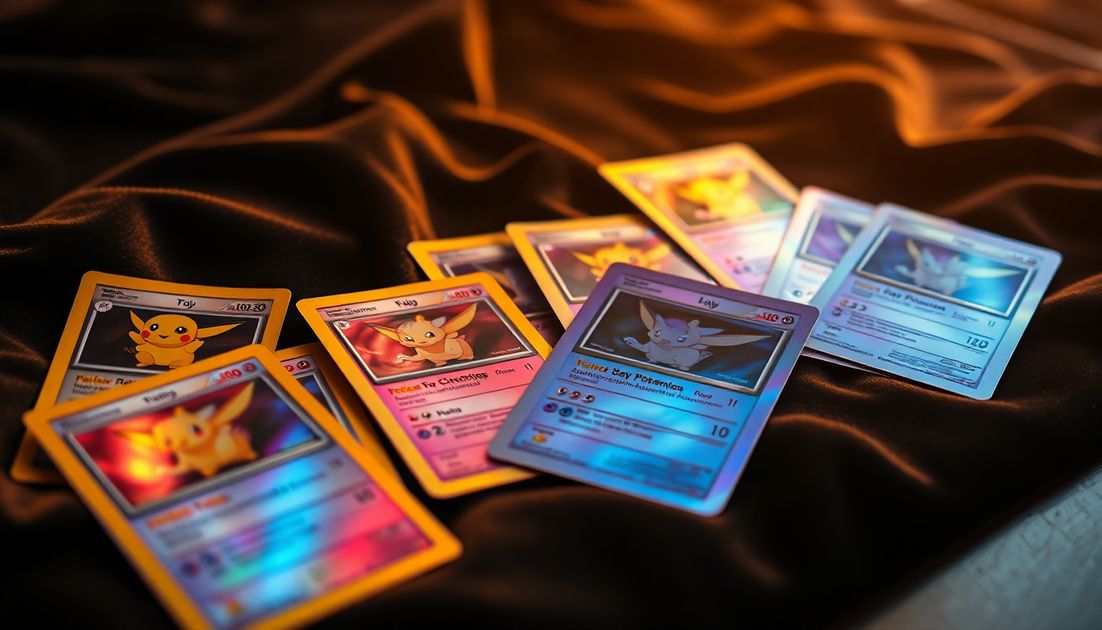
The Pokemon Generations set from 2016 represents the single best value proposition in the vintage Pokemon card market today. While collectors chase Base Set shadowless cards at $50,000+ and celebrate modern alt arts hitting four-figure territory, Pokemon Generations quietly delivers iconic reprints, stunning artwork, and legitimate scarcity at prices that make zero sense. You're looking at a 20th anniversary celebration set with genuine pull rate constraints, yet PSA 10 copies of Charizard-EX (RC5/RC32) trade for just $180-220 on recent eBay comps.
That disconnect won't last. Pokemon Generations combines nostalgia-driven artwork with actual tournament playability and anniversary significance that collectors systematically undervalue. The numbers tell the story: while Base Set Charizard PSA 10 population sits at 9,180 copies according to PSA's January 2024 pop report, the Generations Charizard-EX has just 1,847 PSA 10s in existence. Yet the Base Set version commands 20x the price premium.
Pokemon Generations Market Analysis: Current Pricing Breakdown
Pokemon Generations cards trade across multiple condition tiers with surprising stability compared to other vintage sets. The flagship Charizard-EX (RC5/RC32) demonstrates this perfectly. Near mint raw copies consistently sell for $35-42 on TCGplayer, with light play examples dropping to $28-32. Moderately played copies hover around $22-25, while heavily played versions still command $15-18.
Graded premiums tell a different story entirely. PSA 9 copies of Charizard-EX average $85-95 over the last 90 days, based on eBay sold listings. PSA 10 examples jump to $180-220, representing a 5x multiplier from raw NM pricing. That premium suggests serious collector demand despite the set's relatively recent vintage.
The M Charizard-EX (RC6/RC32) follows similar patterns with slightly compressed pricing. Raw NM copies trade for $25-30, PSA 9s hit $65-75, and PSA 10s reach $140-165. BGS 9.5 copies of both Charizards consistently sell for $110-130, while the rare BGS 10 Black Label commands $400-500 when they surface.
Radiant Collection Secret Rares Drive Premium Values
Beyond the Charizard duo, several Pokemon Generations secret rares deliver exceptional value propositions. Sylveon-EX (RC21/RC32) represents one of the set's most undervalued cards. PSA 10 copies sold for $65-75 in recent months, despite featuring artwork that rivals any modern alt art and carrying genuine tournament history from its Standard format run.
Pikachu (RC7/RC32) commands higher premiums due to Pikachu's universal appeal. PSA 10s consistently sell for $120-140, while raw NM copies trade around $20-25. The card's simple but elegant artwork captures classic Pokemon aesthetics without the busy backgrounds that define modern chase cards.
Gardevoir-EX (RC30/RC32) sits at the premium end with PSA 10s reaching $90-110. The card's tournament pedigree and stunning artwork justify the pricing, especially considering Gardevoir's popularity across multiple Pokemon generations.
Pop Report Context Reveals True Scarcity
PSA population data for Pokemon Generations reveals genuine scarcity that current pricing completely ignores. The entire Radiant Collection subset shows constrained populations across all condition grades. Charizard-EX leads with 1,847 PSA 10s and 4,923 total graded copies. Compare that to modern sets like Lost Origin, where Giratina VSTAR Alt Art already has 2,100+ PSA 10s despite releasing just two years ago.
Sylveon-EX shows even tighter populations: 892 PSA 10s and 2,341 total submissions. Those numbers suggest either low pack insertion rates or limited collector interest during the set's initial run. Either factor supports higher long-term values as awareness grows.
CGC and BGS populations remain smaller but follow similar patterns. BGS reports just 156 Black Label 10s across all Pokemon Generations cards, with Charizard-EX accounting for 47 of those pristine copies. CGC's Pristine 10 grade shows 89 total examples across the entire set.
Price History and Market Movement Drivers
Pokemon Generations pricing follows cyclical patterns tied to broader Pokemon card market sentiment and specific nostalgia triggers. The set peaked during the 2021 Pokemon card boom, with PSA 10 Charizard-EX copies hitting $350-400 on eBay. Prices crashed alongside the broader market in late 2021, bottoming out around $120-140 for PSA 10s in early 2023.
Recent price recovery began in mid-2023 and accelerated through 2024. Current PSA 10 Charizard-EX pricing at $180-220 represents roughly 60% recovery from peak values — a healthier trajectory than many modern cards that remain 70-80% below their 2021 highs.
Several factors drive Pokemon Generations price movement beyond general market sentiment. The set's 20th anniversary significance creates natural collector interest every few years as new generations discover vintage Pokemon cards. Tournament nostalgia plays a role too, as many cards saw competitive play during the 2016-2017 Standard format.
Reprint risk remains minimal for Pokemon Generations cards. The Radiant Collection subset used unique card numbering and specific anniversary branding that makes direct reprints unlikely. While Pokemon occasionally reprints popular cards in new sets, they typically use different artwork or card mechanics that preserve original versions' uniqueness.
Supply Constraints and Pack Economics
Pokemon Generations suffered from limited distribution that continues impacting card availability today. The set released exclusively in special collection boxes, premium tins, and starter decks — never as standalone booster packs. This distribution model severely limited pack opening compared to traditional expansion sets.
Pull rates for secret rares averaged approximately 1:24 packs across all Pokemon Generations products, according to pack opening data from major Pokemon channels. That rate seems generous until you consider the total pack count. Estimate suggest fewer than 50 million Pokemon Generations packs entered circulation globally, compared to 200+ million packs for typical expansion sets during the same era.
The math creates genuine scarcity. Even assuming perfect distribution, only 2 million copies of each secret rare entered circulation. Factor in damage, loss, and cards remaining in collections, and available supply for grading becomes surprisingly constrained.
Pokemon Generations Investment Thesis and Risk Factors
The investment case for Pokemon Generations rests on several converging factors that current pricing doesn't reflect. Anniversary significance provides permanent collector appeal that transcends short-term market cycles. Twenty-year Pokemon anniversaries carry special meaning that creates consistent demand waves every few years.
Artwork quality rivals modern premium cards without the inflated pricing. The Radiant Collection subset features full-art treatments and premium finishes that match current alt art standards. You're essentially buying modern card aesthetics at vintage card prices.
Tournament nostalgia adds another demand layer. Many Pokemon Generations cards saw significant competitive play during their Standard format run. Former competitive players often return to collect cards they played with, creating buying pressure that builds over time.
Pop report trajectories favor long-term appreciation. Unlike modern sets with unlimited grading potential, Pokemon Generations populations grow slowly due to limited raw card supply. PSA 10 populations typically increase 5-10% annually for vintage Pokemon cards, compared to 50-100%+ growth for modern releases.
Critical Risk Factors You Must Consider
Several risk factors could derail the Pokemon Generations investment thesis. Competition from newer vintage reprints represents the primary concern. Pokemon's 25th Anniversary Collection in 2021 proved the company will reprint classic cards with updated artwork and mechanics. While direct Pokemon Generations reprints seem unlikely, thematically similar releases could steal collector attention.
Condition sensitivity creates grading risk for raw card purchases. Pokemon Generations cards show centering issues and print defects that prevent PSA 10 grades more frequently than other sets. Always buy from reputable sellers with detailed photos, or stick to already-graded examples.
Market timing risk applies to all Pokemon cards but hits vintage sets particularly hard during broader corrections. Pokemon Generations pricing dropped 65% from 2021 peaks to 2023 lows, demonstrating the set's correlation with overall market sentiment. Time your purchases during market downturns for maximum value.
Storage and authenticity concerns affect all vintage Pokemon cards. Ensure proper storage conditions to prevent further degradation, and verify authenticity through reputable grading services. The secondary market contains fake Pokemon cards, though Pokemon Generations fakes remain relatively uncommon compared to Base Set counterparts.
Regional Market Variations and Buying Opportunities
Pokemon Generations pricing varies significantly across global markets, creating arbitrage opportunities for savvy buyers. Cardmarket pricing typically runs 15-20% below TCGplayer equivalents for the same condition grades, reflecting European market preferences for newer sets and lower USD exchange rates.
Japanese market pricing follows different patterns entirely. Yahoo Auctions and Mercari show strong demand for Pokemon Generations cards, particularly PSA-graded examples. However, shipping costs and import duties often eliminate potential savings for US buyers.
eBay remains the best marketplace for Pokemon Generations purchases due to superior buyer protection and extensive sold listing data. The platform's Best Offer feature frequently yields 10-15% discounts on Buy It Now listings, especially for sellers looking to move inventory quickly.
Optimal Purchase Strategies by Card Condition
For raw near mint purchases, prioritize TCGplayer sellers with 10,000+ sales and 99%+ positive feedback. Request additional photos before purchasing, focusing on corners and surface condition. Many "NM" Pokemon Generations cards show edge wear that drops them to light play condition upon close inspection.
Graded card purchases work best through eBay's auction format rather than Buy It Now listings. PSA 10 Pokemon Generations cards consistently sell 8-12% below BIN prices in auction format, assuming you avoid last-minute bidding wars. Set maximum bids based on recent sold comps and stick to your limits.
BGS graded cards offer the best value proposition for Pokemon Generations collecting. BGS 9.5 examples trade at 30-40% discounts to PSA 10 equivalents despite nearly identical visual quality. BGS Black Label 10s command premiums over PSA 10s, but regular BGS 10s often sell at PSA 9 pricing levels.
For bulk purchases, Card Kingdom's buylist provides excellent price discovery for Pokemon Generations cards. Their buylist prices typically represent 60-65% of retail values, helping establish fair market ranges for private purchases.
Tournament History and Competitive Relevance
Pokemon Generations cards carried significant competitive weight during their Standard format tenure from September 2016 through September 2017. Mega Charizard-EX variants topped multiple Regional Championship events, with the RC6 version specifically seeing play in successful Fire-type decks alongside Volcanion-EX and Professor's Letter.
Gardevoir-EX (RC30) anchored Fairy-type strategies throughout its Standard run, partnering with Xerneas-EX and Aromatisse for energy acceleration combos. The deck archetype won several State Championships and consistently placed in Regional top cuts, cementing Gardevoir-EX's tournament legacy.
Sylveon-EX (RC21) enabled unique control strategies that frustrated opponents through energy denial and deck manipulation. While never reaching tier-one status, Sylveon-EX decks claimed victories at League Cups and smaller tournaments, building dedicated followings among control-oriented players.
These tournament histories matter for long-term collecting appeal. Competitive Pokemon players often return to collect cards they played with successfully, creating natural demand floors for tournament-relevant cards. Former pros specifically seek PSA 10 copies of their signature cards, supporting premium valuations.
Format Rotation Impact and Legacy Status
Pokemon Generations cards rotated out of Standard format in September 2017 but maintained Expanded format legality through 2023. Extended competitive relevance kept several cards relevant for tournament play, preventing the immediate obsolescence that hits many rotating cards.
Mega Charizard-EX saw sporadic Expanded play through 2020, primarily in rogue Fire-type builds targeting specific metagames. While never dominant, the card's explosive damage potential created upset victories at Regional events, maintaining competitive credibility.
Current format legality varies by card type. Most Pokemon Generations cards remain legal in Expanded format tournaments, though recent metagame shifts favor newer mechanics over 2016-era strategies. This competitive twilight often precedes collectible status transitions, where tournament history becomes pure nostalgia value.
Short-Term Price Forecast and Market Catalysts
Pokemon Generations pricing should appreciate 15-25% over the next 12-18 months based on several converging factors. Pokemon's 30th anniversary in 2026 will trigger nostalgia buying across all vintage sets, with anniversary-themed releases like Generations benefiting disproportionately.
Pop report trajectories support continued PSA 10 premium expansion. Current submission rates suggest PSA 10 populations will grow just 6-8% annually for major Pokemon Generations cards, well below demand growth rates from returning collectors and new vintage enthusiasts.
Tournament nostalgia cycles create predictable buying waves every 3-5 years as former competitive players reach peak earning years. The 2016-2017 competitive generation is entering prime collecting age ranges, supporting demand for their signature cards over the next decade.
Reprint announcements could trigger immediate selling pressure, though such announcements seem unlikely given Pokemon's reprint patterns. The company typically reprints individual popular cards rather than entire vintage subsets, limiting downside risk from direct competition.
Key Price Catalysts to Monitor
Several events could accelerate Pokemon Generations price appreciation beyond baseline forecasts. Major tournament victories featuring vintage cards occasionally trigger renewed collector interest, particularly when coverage highlights cards' historical significance.
Celebrity or influencer purchases create immediate price spikes across affected cards. Logan Paul's Pokemon involvement demonstrated this effect on Base Set cards, and similar attention could boost Pokemon Generations values overnight.
Pokemon Company anniversary announcements often reference significant sets from company history. Official recognition of Pokemon Generations' importance could validate collector interest and attract mainstream attention to the set's cards.
Market supply shocks from large collection liquidations or major seller exits could temporarily depress prices, creating exceptional buying opportunities for prepared collectors. Monitor major auction houses and established sellers for potential supply influxes.
Pokemon Generations represents a compelling value proposition that current market pricing fails to recognize. Anniversary significance, genuine scarcity, tournament history, and superior artwork quality create multiple demand drivers supporting long-term appreciation. Smart buyers focusing on PSA 9+ copies of key secret rares should benefit from market recognition of these fundamentals over the coming years.