Pokemon Card Boxes: Complete Investment Guide for Sealed Product Returns
Complete Pokemon card box investment guide covering modern vs vintage pricing, pull rates, market analysis, and where to buy sealed products.
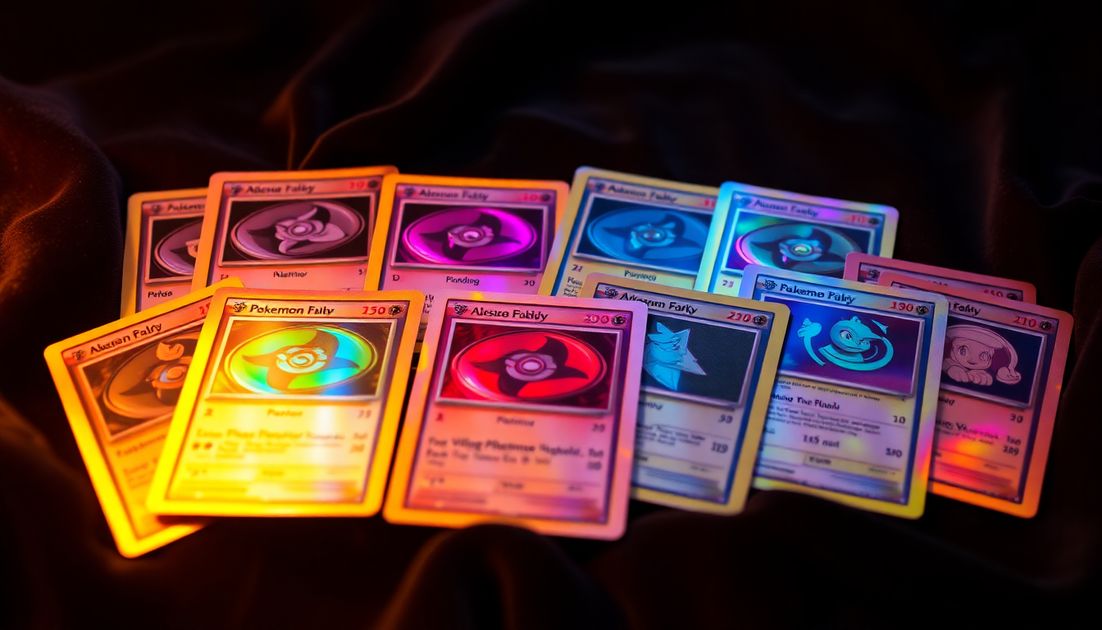
You're standing in Target staring at a $120 Pokemon TCG booster box, wondering if you should grab it or wait for a better deal online. That $4 per pack adds up fast, and you've heard horror stories about people getting absolutely nothing from entire boxes. Meanwhile, your friend just pulled a Charizard ex SIR 199/165 from a single pack and won't stop posting about it on social media.
Pokemon card boxes represent the backbone of the collectible card market, offering everything from guaranteed value in older sets to complete lottery tickets in modern releases. Unlike singles where you know exactly what you're buying, sealed boxes combine investment potential with the pure gambling rush of opening packs. The math rarely works in your favor for recent sets, but vintage boxes have turned into legitimate alternative investments.
Current market data shows dramatic splits between modern and vintage sealed products. A Scarlet & Violet base set booster box trades around $85-95 on TCGplayer, down from its $120 retail launch. Compare that to a Base Set Unlimited booster box at $18,000-22,000 for decent condition copies, or Jungle 1st Edition boxes commanding $45,000+ after the Logan Paul effect wore off but prices stabilized at permanently elevated levels.
Modern Pokemon Card Boxes: Risk vs Reward Analysis
Current Market Pricing Across Major Sets
Scarlet & Violet 151 remains the modern sealed box king. These $144 retail boxes hold value around $130-140 on secondary markets due to strong chase cards and nostalgic Kanto appeal. The set features a 1:11 pack rate for special illustration rares, with Charizard ex SIR being the crown jewel at $280-320 in PSA 10 condition.
Paldea Evolved boxes tell a different story entirely. Originally $120 retail, they've crashed to $75-85 range as the set's chase cards failed to maintain momentum. Miraidon ex SAR 258/193 peaked around $180 but now trades at $90-110, while most other SARs sit in the $30-60 range. The pull rates feel generous at roughly 1:6 packs for special arts, but when your hits are worth less than pack MSRP, the math breaks down quickly.
Obsidian Flames presents an interesting case study. Boxes maintain $95-105 pricing thanks to Charizard ex SAR 235/197 holding steady around $200-240. However, the set suffers from top-heavy value distribution. Pull the Charizard and you're profitable; miss it and you're likely looking at a $40-60 loss even with decent secondary pulls.
TCGplayer data over the last six months shows modern box values correlating directly with their top three chase cards. When Charizard ex prices drop 20%, box prices follow within 2-3 weeks. This tight coupling makes modern sealed products extremely vulnerable to reprint announcements or meta shifts in the Pokemon TCG competitive scene.
Pull Rate Mathematics and Expected Value
You need to understand the brutal math behind modern booster boxes. Most contemporary sets feature 36 packs with the following approximate rates:
Special Illustration Rare: 1:20-25 packs
Special Art Rare: 1:6-8 packs
Full Art cards: 1:4-5 packs
Ultra Rare: 1:3 packs
A typical $120 box gives you roughly 1.4-1.8 special arts and 8-12 ultra rares. Even assuming perfect pulls, you need your special arts to average $60+ each just to break even before considering time, effort, and the risk of condition issues. Current market data shows only 3-4 special arts per set consistently hold $60+ pricing six months post-release.
Cardmarket European pricing often runs 15-20% lower than US markets, creating arbitrage opportunities for savvy buyers. However, shipping costs and potential customs issues eat into margins quickly. eBay sold listings show European boxes averaging €75-85 for sets that trade $95-105 domestically, but factor in $15-25 shipping and currency conversion fees.
Vintage Pokemon Card Boxes: The Real Investment Play
Base Set Through Neo Genesis Era (1998-2000)
Vintage sealed boxes operate in completely different market dynamics. Supply shrinks monthly as collectors crack boxes for PSA submissions or keep them sealed as trophy pieces. Population reports can't capture sealed product effectively, but observable market supply suggests fewer than 200-300 Base Set Unlimited boxes change hands annually.
Base Set Unlimited boxes command $18,000-22,000 depending on condition and wrap tightness. A pristine example sold for $26,400 on Heritage Auctions in February 2024, while slightly loose examples trade in the $16,000-18,000 range on private sales. The key driver remains Charizard 4/102 chase cards - PSA 10 examples from fresh packs sell for $5,000-6,000, making the lottery ticket math actually work for vintage sealed.
Jungle 1st Edition represents the crown jewel of Pokemon sealed products. Complete boxes rarely surface below $45,000, with museum-quality examples reaching $65,000+ in private transactions. The set's 1st Edition stamp and relatively small print run create perfect storm conditions for price appreciation. Unlike modern sets where millions of boxes exist globally, Jungle 1st Edition probably sees fewer than 50 boxes changing ownership annually.
Team Rocket 1st Edition offers more accessible entry points at $8,000-12,000 per box. The set's villain theme and Dark Charizard chase card maintain steady collector interest. However, the larger print run compared to Jungle means less dramatic appreciation potential. Still, five-year returns show 300%+ gains for patient holders.
Neo Through E-Card Series (2000-2003)
Neo Genesis 1st Edition boxes trade around $15,000-20,000, driven primarily by Lugia 9/111 and the set's historical significance as the first expansion to feature Generation 2 Pokemon. The Japanese version commands even higher premiums at $25,000-30,000 due to superior card quality and tighter print runs.
Aquapolis and Skyridge boxes from the e-Card series represent massive sleeper picks. These sets were severely underprinted due to Wizards of the Coast losing the Pokemon license. Aquapolis boxes trade around $6,000-8,000 when they surface, while Skyridge commands $8,000-12,000. Given their scarcity and unique e-Card mechanics, these could see explosive growth if Pokemon nostalgia cycles reach the early 2000s era.
Market data shows vintage boxes appreciating 15-25% annually since 2020, far outpacing traditional investments. However, condition fraud remains a serious concern. Resealed vintage boxes surface regularly on eBay, with sophisticated operations using period-correct packaging materials. Always buy from established dealers with return policies, and budget for professional authentication services when dealing with five-figure purchases.
Where to Buy Pokemon Card Boxes: Marketplace Analysis
Online Retailers and Pricing
TCGplayer dominates the modern singles market but struggles with sealed product authentication. Their buyer protection covers damaged shipments but not resealed products. Pricing typically runs 5-10% below eBay for modern boxes, making it your best bet for recent releases. However, vintage selection is extremely limited, and the platform attracts fewer serious sealed collectors.
eBay remains the primary marketplace for vintage sealed products despite obvious risks. Sold listings data provides excellent price discovery, but authentication varies wildly between sellers. Power sellers with 10,000+ feedback generally provide better experiences, but even established accounts occasionally list questionable products. PayPal buyer protection extends to 180 days, giving some recourse for authenticity issues.
Pokemon Center direct purchases guarantee authenticity but offer zero investment upside. Retail pricing stays fixed while secondary markets fluctuate, creating opportunities during market dips. Elite Trainer Boxes often sell out quickly during popular set launches, making Pokemon Center pre-orders valuable for immediate flipping rather than long-term holding.
Heritage Auctions handles the ultra-premium vintage market, with most lots starting above $5,000. Their authentication process is rigorous, and buyer premiums add 25% to hammer prices. However, if you're spending serious money on investment-grade vintage boxes, the premium is worthwhile for peace of mind. Consignment typically requires minimum values above $2,500.
Local Card Shops and Regional Markets
Local game stores often offer the best pricing on modern products, especially during slow periods between set releases. Many shops sell booster boxes at $100-110 to move inventory, compared to $115-125 online after shipping. Building relationships with shop owners can lead to pre-order opportunities and insider information about allocation shortages.
Card shows present excellent opportunities for vintage sealed products, but authentication becomes even more critical. Experienced dealers often spot resealed products immediately, but casual collectors may miss subtle warning signs. Bring a experienced friend or hire a professional authentication service for purchases above $1,000.
Regional price variations can be substantial. West Coast markets generally command 10-15% premiums due to higher disposable income and proximity to Pokemon Company International headquarters. Midwest markets offer better value hunting, especially at smaller conventions where dealers may not track online pricing closely.
Investment Thesis and Future Outlook
The bifurcated nature of Pokemon sealed products creates distinct investment strategies. Modern boxes function as short-term trading vehicles, with 6-12 month holding periods optimal for capturing initial hype cycles. Vintage boxes operate as legitimate collectible investments with 5-10 year minimum time horizons.
Reprint risk looms over every modern investment decision. Pokemon Company International has shown willingness to reprint popular sets like 151 and Champion's Path multiple times, devastating early investor returns. However, they maintain strict policies against reprinting vintage WOTC-era products, making pre-2003 boxes relatively safe from supply inflation.
The upcoming Pokemon TCG Classic sets represent a wild card for vintage box values. While these products feature vintage card reprints, they use modern templates and lack the authentic vintage feel. Early market reaction suggests these products create minimal impact on original vintage pricing, but long-term effects remain unclear.
Demographic trends strongly favor continued Pokemon growth. Millennials entering peak earning years drive vintage demand, while Gen Z collectors focus on modern products and Japanese exclusives. This creates sustainable demand across different product tiers, unlike many collectible categories that rely on single generational cohorts.
Currency fluctuations significantly impact international Pokemon markets. Japanese box prices often move inverse to USD strength, creating arbitrage opportunities for patient international buyers. European markets tend to lag US price movements by 3-6 months, potentially allowing smart money to anticipate trends.
Your best strategy depends entirely on risk tolerance and capital availability. Modern boxes suit active traders comfortable with frequent buying and selling, while vintage boxes reward patient collectors willing to tie up significant capital for years. Never invest money you can't afford to lose completely - this market can be absolutely brutal for overleveraged speculators.