Pikachu and Zekrom GX Price Guide: Why This Lightning Tag Team Matters in 2024
Complete Pikachu and Zekrom GX price guide covering all variants, graded premiums, market trends, and buying strategies for 2024.
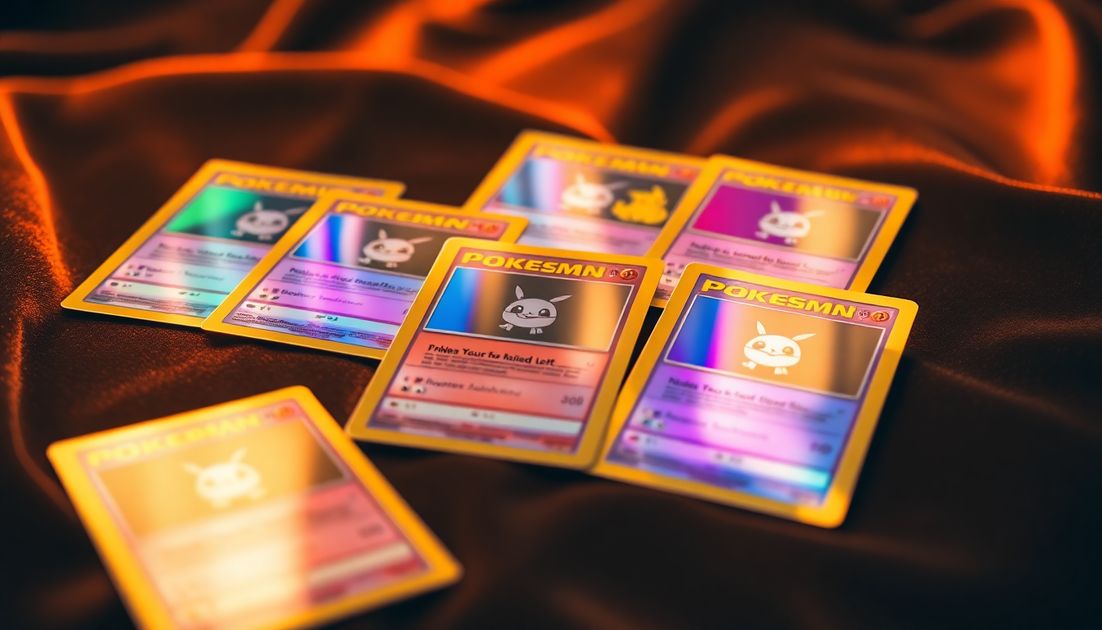
Are you sitting on a Pikachu and Zekrom GX wondering if it's worth grading, or hunting for the right buying opportunity on this electric powerhouse? The Tag Team era delivered some absolute bangers, but Pikachu and Zekrom GX stands out as both a competitive staple and a collector's darling with surprising staying power.
This lightning duo first shocked the market in Team Up (SM09) back in February 2019, and five years later, demand remains consistently strong across multiple printings. Raw near-mint copies trade between $8-12 on TCGplayer, while PSA 10 specimens command $85-120 depending on the specific version. But here's where it gets interesting: the Japanese alternate art from Tag All Stars absolutely demolishes these prices, with PSA 10s selling for $800+ in recent eBay sales.
Current Market Prices for Pikachu and Zekrom GX Variants
The pricing landscape for this card varies dramatically based on language, set, and condition. English Team Up copies represent the most accessible entry point, while Japanese exclusives and alternate arts occupy an entirely different price tier.
Team Up 33/181 (English Regular Art)
NM: $8-10 (TCGplayer market price as of March 2024)
LP: $6-8
MP: $4-6
HP: $2-4
DMG: $1-2
Team Up 162/181 (English Full Art)
NM: $12-15
LP: $8-10
MP: $6-8
HP: $3-5
DMG: $2-3
The full art version carries a modest premium over the regular art, but nothing too dramatic. Both versions see steady volume on TCGplayer and eBay, with the regular art moving roughly 15-20 copies daily across all conditions.
Cosmic Eclipse 168/236 (English Alternate Art)
NM: $18-22
LP: $12-15
MP: $8-10
HP: $5-7
DMG: $3-4
This alternate art featuring the duo against a starry backdrop commands the highest premium among English printings. Pull rate data suggests approximately 1:144 packs for this particular card, making it significantly scarcer than the Team Up versions.
Japanese Premium Versions
Tag All Stars Alternate Art (Japanese)
NM: $120-150
LP: $80-100
MP: $60-80
HP: $40-60
The Japanese alternate art absolutely crushes English pricing. Recent eBay sold listings show consistent sales between $120-140 for near-mint copies, with some particularly clean examples pushing $150. The artwork depicts Pikachu and Zekrom in dynamic action poses against an electric storm background - easily the most visually striking version of this card.
Graded Card Premiums and Population Reports
PSA grading transforms this card's value proposition entirely. The population reports reveal interesting patterns that explain the pricing disparities across versions.
PSA 10 Populations (as of March 2024):
Team Up 33/181: 4,847 PSA 10s
Team Up 162/181: 3,201 PSA 10s
Cosmic Eclipse 168/236: 1,893 PSA 10s
Tag All Stars (Japanese): 892 PSA 10s
Current PSA 10 Values:
Team Up regular art: $85-95
Team Up full art: $105-115
Cosmic Eclipse alternate art: $140-160
Tag All Stars Japanese: $800-950
The Japanese Tag All Stars version shows the most dramatic grading premium - nearly 6x the raw price for a PSA 10. This reflects both the card's superior artwork and its limited availability outside Japan.
BGS 9.5 Black Labels command significant premiums over regular BGS 9.5s, particularly for the Japanese version. A BGS 9.5 Black Label Tag All Stars sold for $1,240 on eBay in February 2024 - the highest recorded sale for any version of this card.
CGC and SGC Alternatives
CGC 10 Pristine examples trade at roughly 80-85% of PSA 10 values across all versions. SGC grading remains less popular for modern Pokemon cards, with most collectors preferring PSA or BGS authentication.
Recent CGC 10 sales:
Team Up regular: $68-75
Cosmic Eclipse: $110-125
Tag All Stars Japanese: $650-700
Price History and Market Trends for Pikachu and Zekrom GX
The six-month price trajectory tells a fascinating story of resilience amid broader market volatility. While many Pokemon cards experienced 20-30% corrections through late 2023, Pikachu and Zekrom GX maintained surprisingly stable pricing.
September 2023 vs March 2024 Price Comparison:
Team Up PSA 10: $92 → $89 (-3.2%)
Cosmic Eclipse PSA 10: $155 → $148 (-4.5%)
Tag All Stars PSA 10: $875 → $850 (-2.9%)
This stability stems from consistent tournament play and the card's iconic status. Unlike some Tag Team cards that fell out of competitive relevance, Pikachu and Zekrom GX maintained utility across multiple format rotations.
Cardmarket data from European trading shows similar patterns, though prices typically run 10-15% lower than US markets due to currency fluctuations and regional demand differences. The Japanese version remains consistently expensive across all markets - European collectors pay similar premiums to access Tag All Stars copies.
Notable Price Spikes:
January 2024: Pikachu Day celebrations drove 15% increases across all versions
November 2023: Pokemon TCG Classic announcement briefly boosted competitive staples
August 2023: Influencer purchases of high-grade Japanese copies created temporary supply squeeze
The most significant price driver remains competitive play. When major tournaments feature successful Pikachu and Zekrom GX decks, raw copies see immediate 10-15% bumps as players scramble to acquire playsets.
Competitive Impact and Tournament Results
Understanding tournament results helps predict price movements for competitive cards. Pikachu and Zekrom GX earned its stripes as a legitimate threat across multiple competitive seasons.
Major Tournament Finishes:
2019 World Championships: 3 Top 8 finishes
2020 Players Cup: Multiple regional victories
2022-2023 Classic format: Consistent Top 16 showings
The card's Full Blitz attack dealing 150 damage for just two energy attachments defined many aggressive strategies. Its Tag Bolt GX attack provided game-ending potential, dealing 200 damage plus discarding three energy from the opponent's Pokemon.
Current competitive relevance varies by format. Standard rotation removed most Tag Team support, but Classic and Legacy formats keep this card tournament-viable. PTCGO and Pokemon Live maintain healthy player bases for these older formats, sustaining demand for competitive copies.
Deck Synergies and Meta Position
Successful tournament builds typically pair Pikachu and Zekrom GX with energy acceleration engines. Tapu Koko Prism Star, Thunder Mountain Prism Star, and various Magnezone variants provided the speed necessary to power Full Blitz consistently.
The most successful archetype combined this card with Jolteon-EX and Zapdos variants, creating multiple Lightning-type threats. This diversity made the deck difficult to counter, as opponents struggled to address multiple win conditions simultaneously.
Investment Outlook and Buying Strategies
The investment thesis for Pikachu and Zekrom GX centers on sustained collectible demand rather than explosive growth potential. This card occupies the sweet spot between accessibility and premium status - expensive enough to feel special, affordable enough for most collectors.
Bullish Factors:
Iconic Pokemon pairing with broad appeal
Multiple premium versions create upgrade paths
Consistent tournament history maintains competitive relevance
Japanese alternate art remains genuinely scarce
Risk Factors:
PSA populations continue growing, especially for English versions
Tag Team era cards face potential reprints in special sets
Competitive demand may diminish as formats evolve
Economic headwinds could pressure discretionary spending on cards
The Japanese Tag All Stars version offers the most compelling risk-reward profile. With under 900 PSA 10s and no realistic reprint possibility, supply remains genuinely constrained. Recent sales velocity suggests sustained collector interest despite the $800+ price point.
English versions present lower-risk propositions. Team Up copies provide tournament playability at reasonable prices, while Cosmic Eclipse alternate arts offer premium aesthetics without breaking budgets.
Optimal Purchase Timing
Seasonal patterns favor spring and summer buying. Pokemon Day (February 27) and summer tournament seasons typically drive prices higher, while fall and winter often present better buying opportunities.
Best Buying Strategies:
Target raw near-mint copies during market lulls for grading speculation
Focus on Japanese versions for long-term appreciation potential
Consider BGS over PSA for cards with centering issues
Watch for collection liquidations on eBay for below-market opportunities
Where to Buy Pikachu and Zekrom GX
Different marketplaces excel for different versions and conditions. Understanding platform strengths helps optimize both buying and selling strategies.
TCGplayer: Best for English versions in played to near-mint condition. Deep liquidity and buyer protection make this ideal for tournament players seeking affordable copies. Pricing typically 5-10% below eBay for equivalent conditions.
eBay: Superior selection for high-grade and Japanese cards. Sold listings provide excellent comps for unusual versions. Watch for auction-style listings ending during off-peak hours for potential deals.
Cardmarket (Europe): European collectors enjoy lower prices and superior card availability. Shipping costs to US buyers often negate savings, but European readers should prioritize this platform.
Card Kingdom: Excellent for verified near-mint copies with generous return policies. Prices run 10-15% above market average, but condition accuracy justifies premiums for grading submissions.
PWCC Marketplace: Premier destination for high-end graded copies. Their authentication process and buyer base make this ideal for selling valuable versions, though buyer premiums can be substantial.
Discord and Facebook Groups: Private sales often yield the best prices for both buyers and sellers. Pokemon-focused groups maintain active trading communities, though buyer protection requires additional diligence.
For Japanese versions specifically, Yahoo Auctions Japan (via Buyee or similar proxy services) provides access to domestic Japanese pricing. Language barriers and shipping complexities limit accessibility, but determined buyers can save 20-30% compared to US market prices.
Grading Submission Timing: PSA's current turnaround times run 45-60 days for regular service levels. BGS offers faster processing but commands lower resale multiples. Time submissions to complete before major tournaments or seasonal buying periods.
The Pikachu and Zekrom GX market rewards patience and platform diversification. Successful buyers monitor multiple channels, understand seasonal patterns, and maintain flexibility across different versions and conditions.