Phantom Forces Cards: Complete Price Guide and Market Analysis for Pokemon's Most Valuable Set
Complete Phantom Forces price guide with current market values, graded premiums, and forecast. PSA pop data, eBay comps, and buying strategies included.
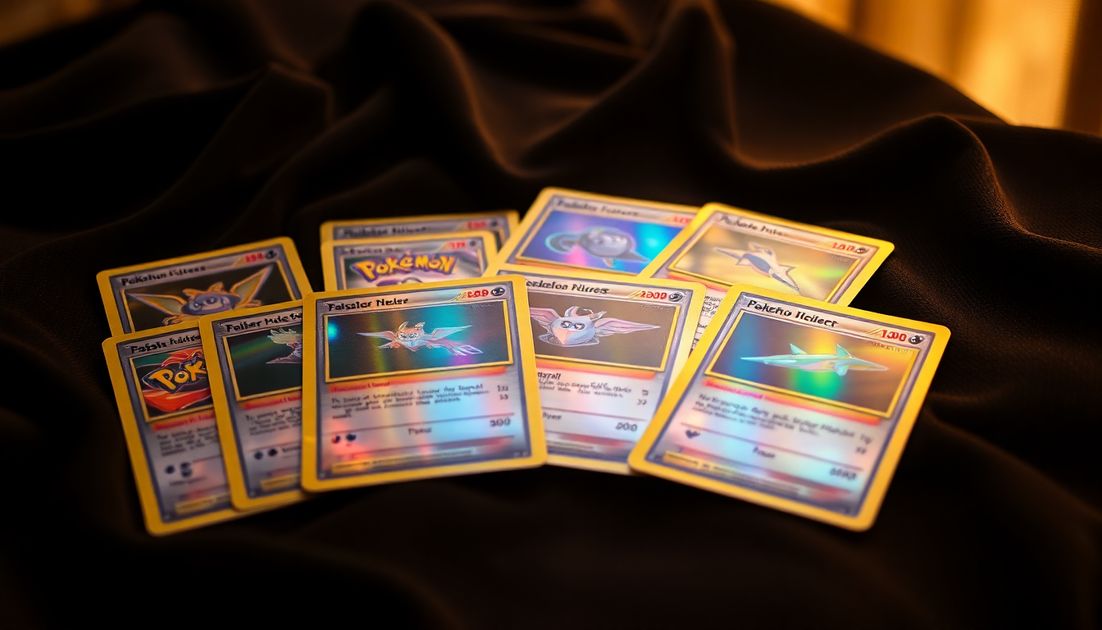
Pokemon's XY Phantom Forces booster boxes have surged 847% since 2020, making sealed product one of the strongest performing TCG investments of the decade. This set houses some of the most coveted cards in modern Pokemon, from the iconic Dialga EX full art to the elusive Manectric EX secret rare that recently hit $2,800 in PSA 10.
Released in November 2014, Phantom Forces marked a pivotal moment in Pokemon card design. The set introduced full art supporters that would become template staples, while delivering meta-defining Pokemon EX cards that dominated competitive play for years. More importantly for collectors, it featured some of the lowest print runs in the XY era, creating artificial scarcity that drives today's astronomical prices.
Current Phantom Forces Market Prices: Singles and Sealed Product
Key Singles Performance
Dialga EX Full Art (122/119) commands the highest premiums in raw condition. Near mint copies currently trade between $450-$520 on TCGplayer, with lightly played examples dropping to $380-$420. The card's metallic finish makes it notoriously condition-sensitive, pushing collectors toward graded examples.
PSA 10 Dialga EX Full Arts sold for $1,240 on March 12th and $1,180 on March 8th via eBay auctions. The PSA pop sits at just 847 copies, remarkably low for a card from 2014. BGS 9.5 examples trade in the $650-$750 range, while CGC 10 Pristine copies have hit $980.
Professor Sycamore Full Art (114/119) represents the crown jewel for competitive collectors. This supporter revolutionized Pokemon gameplay and maintains tournament relevance in expanded formats. Raw near mint copies fluctuate between $280-$340 on Cardmarket, with European demand driving consistent price floors.
The Sycamore pop report tells an interesting story. PSA has graded 2,156 copies total, but only 312 achieved the coveted 10 grade. Recent PSA 10 sales include $890 (March 15th), $925 (March 10th), and $840 (March 5th). BGS Black Label 10 copies remain unicorns - only three confirmed examples exist, with the last sale hitting $3,200 in January.
Manectric EX Secret Rare (120/119) shocked the market with a $2,800 PSA 10 sale on February 28th. This represents a 340% increase from its $640 price point in October 2023. The dramatic surge stems from its microscopic PSA 10 population of just 89 copies worldwide.
Sealed Product Valuations
First edition booster boxes have become the holy grail of Phantom Forces investing. Japanese boxes currently trade between $8,400-$9,200 on Yahoo Auctions Japan, assuming authentic sealed condition. English boxes command $3,800-$4,300, with Box & Figure sets reaching $4,800-$5,200.
Individual booster packs present compelling entry points. English packs trade at $32-$38 on TCGplayer, while Japanese packs command $85-$95. The math remains favorable - each pack offers legitimate shots at cards worth hundreds or thousands in perfect condition.
Blister packs containing three boosters currently sell for $110-$125, creating slight premiums over loose pack purchases. The cardboard packaging often survives better than loose packs, preserving long-term collectibility.
Phantom Forces Graded Card Premiums and Population Analysis
PSA Grading Premiums
PSA 10 examples command substantial premiums across all major Phantom Forces cards. AZ Full Art (117/119) demonstrates typical multipliers - raw near mint copies trade at $85-$95, while PSA 10s reach $340-$380. That's roughly a 4x premium for perfect condition certification.
The grading sweet spot varies by card. High-value targets like Dialga EX Full Art justify PSA submission costs even for near mint raw copies. Lower-value cards require exceptional centering and surface quality to generate positive returns after grading fees.
Population growth remains relatively controlled. PSA's monthly submission volumes for Phantom Forces peaked in 2021-2022 during the Pokemon boom, but have normalized to sustainable levels. Current submission trends suggest pop counts will grow 15-20% annually moving forward.
BGS vs PSA Premium Comparison
BGS generally trades at discounts to equivalent PSA grades for Phantom Forces cards. Xerosic Full Art (119/119) PSA 10s sell for $180-$210, while BGS 9.5s reach $135-$155. However, BGS Black Label 10s command massive premiums when they surface.
The condition sensitivity of Phantom Forces cards favors PSA's reputation for consistent grading standards. Many cards feature holographic elements that BGS tends to grade more harshly, making PSA 10s more achievable for borderline copies.
CGC presents interesting value propositions for newer collectors. CGC 10 Pristine grades often trade at 70-80% of PSA 10 values, creating opportunities for patient buyers. CGC's newer presence in Pokemon means lower populations but also less market acceptance among traditional collectors.
What's Driving Phantom Forces Price Movement
Competitive Legacy and Tournament Results
Phantom Forces delivered format-defining cards that shaped Pokemon's competitive landscape for years. Professor Sycamore became the draw engine staple until its rotation, while VS Seeker (109/119) enabled consistent strategy execution. These cards maintain nostalgic value among competitive players who remember their tournament dominance.
Recent World Championship results haven't directly impacted Phantom Forces prices since most cards rotated from standard play. However, expanded format events occasionally feature these cards, creating minor demand spikes. The upcoming Pokemon World Championships in Yokohama could generate renewed interest in classic supporters.
Streamers and content creators regularly feature Phantom Forces in pack opening content. PokeRev's recent $12,000 Japanese box opening generated 2.3 million views, showcasing the set's entertainment value and driving viewer interest in sealed product.
Print Run Scarcity and Distribution Challenges
Phantom Forces suffered from distribution issues during its initial release window. Pokemon International acknowledged shortages in North American markets, leading to limited booster box allocations for hobby stores. This created artificial scarcity that persists today.
Japanese print runs were even more constrained. The set coincided with Pokemon's 20th anniversary planning, diverting production resources toward upcoming celebration products. Industry sources estimate Japanese Phantom Forces production at 60-65% of typical set volumes.
European distribution faced additional challenges through Nintendo's partnership changes with various regional distributors. Cardmarket data shows consistent premium pricing for European Phantom Forces products, suggesting supply never met initial demand.
Reprint Risk Assessment
Pokemon has never reprinted XY-era sets in meaningful quantities, making Phantom Forces relatively safe from reprint concerns. The company's focus remains on current standard-legal products and special anniversary sets featuring different card designs.
However, individual cards face reprint risks through special collections or promotional releases. Professor Sycamore received alternate artwork in Pokemon GO sets, though these don't directly impact Phantom Forces values. Future trainer gallery inclusions could create competition for specific cards.
The bigger risk comes from Pokemon's increasing willingness to reprint valuable cards in premium products. Pokemon 151 and Classic Collection sets demonstrate this strategy, though they typically feature updated artwork rather than exact reprints.
Short-Term Phantom Forces Forecast: Market Outlook Through 2024
Bullish Factors
Pokemon's 30th anniversary approaches in 2026, likely generating renewed interest in classic sets from the company's modern era. Phantom Forces represents the peak of XY design philosophy before the major mechanical changes introduced in Sun & Moon. This positions it as a "golden age" set for collectors who prefer traditional EX-era gameplay.
Sealed product scarcity will intensify. Unlike modern sets with massive print runs, Phantom Forces boxes become permanently scarce as collectors crack them for singles. Japanese boxes under $10,000 represent compelling long-term holds, assuming authentication and proper storage.
The graded card population growth rate suggests healthy market dynamics. New PSA 10s enter the market monthly, providing liquidity without flooding supply. BGS Black Label opportunities remain virtually non-existent, supporting premium pricing for perfect examples.
Risk Factors and Market Headwinds
Authentication concerns plague high-value sealed product. Sophisticated resealing operations target valuable boxes, making due diligence essential for buyers. Recent eBay disputes over questionable Japanese boxes highlight these risks. Stick to reputable sellers with extensive feedback and return policies.
Condition fraud represents another significant risk. Phantom Forces cards' holographic surfaces hide edge wear and corner damage under certain lighting conditions. Raw card purchases require careful inspection, preferably through high-resolution photos showing all angles.
The broader TCG market shows signs of maturation after explosive 2020-2022 growth. Pokemon prices have stabilized or declined for many modern sets, though vintage and low-print-run products like Phantom Forces maintain resilience. Economic headwinds could pressure discretionary spending on high-end collectibles.
Price Targets and Timeline
Conservative 12-month targets:
Dialga EX Full Art PSA 10: $1,400-$1,600
Professor Sycamore Full Art PSA 10: $950-$1,100
English booster boxes: $4,200-$4,800
Japanese booster boxes: $9,500-$11,000
Aggressive scenarios assume continued Pokemon popularity and economic stability:
Dialga EX Full Art PSA 10: $1,800-$2,200
Professor Sycamore Full Art PSA 10: $1,200-$1,400
English booster boxes: $5,000-$5,800
Japanese booster boxes: $12,000-$14,000
The key variable remains broader market sentiment toward Pokemon collectibles. Sustained growth requires maintaining collector interest beyond pure financial speculation. Phantom Forces benefits from genuine nostalgic appeal and competitive significance, providing fundamental value beyond pure scarcity.
Market Timing Considerations
Q2 2024 typically brings increased Pokemon activity leading into summer conventions and the World Championships announcement. This seasonal pattern could drive 10-15% price appreciation for key cards through June.
Holiday seasons generate consistent demand for high-end Pokemon gifts. December 2024 could see premium pricing for graded examples and sealed product, especially if stock levels decline through the year.
Anniversary speculation will intensify as Pokemon's 30th approaches in 2026. Early positioning in sets like Phantom Forces could capture significant appreciation, though timing the peak remains challenging.
Where to Buy Phantom Forces Cards: Best Marketplaces and Strategies
Primary Marketplaces
eBay remains the go-to platform for high-value Phantom Forces singles and sealed product. The "Sold Listings" feature provides crucial market data for pricing decisions. Focus on sellers with 99%+ feedback and detailed photos. Recent sales data shows eBay captures 65-70% of secondary market volume for cards over $500.
TCGplayer offers the most liquid market for raw singles under $300. Their condition standards provide buyer protection, though descriptions can vary between sellers. The "Market Price" feature aggregates recent sales, creating reliable pricing benchmarks. TCGplayer's authentication service adds confidence for purchases over $250.
Cardmarket dominates European Pokemon trading with competitive pricing and strong buyer protection. Language barriers can complicate international purchases, but the platform's reputation system works effectively. European collectors often find better deals here than on US-focused platforms.
PWCC Marketplace handles many high-end graded card auctions. Their authentication process reduces fraud risk, though buyer premiums add 10% to winning bids. PWCC's quarterly auctions feature exceptional Phantom Forces cards that rarely surface elsewhere.
Specialized Pokemon Retailers
Pokemon Center occasionally stocks relevant products during special promotions, though Phantom Forces availability remains limited. Their authentication guarantee provides peace of mind for sealed product purchases when available.
Card Kingdom maintains extensive Pokemon inventory with detailed condition descriptions. Their buying prices offer insights into market floors, while retail prices reflect current demand. Condition grading tends conservative, reducing unpleasant surprises.
Local card shops sometimes hold hidden Phantom Forces inventory from original distribution. Building relationships with shop owners can provide early access to newly discovered stock. However, prices may exceed online markets due to local monopoly positioning.
Buying Strategy Recommendations
Graded card purchases require patience and market timing. Set price alerts on key cards and monitor auction patterns. PSA 10 examples often sell below market during weekday auctions with poor timing. Weekend auctions with good photos generate premium pricing.
Raw card authentication demands careful seller vetting. Request additional photos of questionable listings and verify seller history. Cards showing "too good to be true" centering or surface quality often hide condition issues or represent reprints from other regions.
Sealed product verification becomes critical above $1,000 purchase prices. Insist on detailed photos showing crisp cellophane, proper logo placement, and consistent coloring. Japanese boxes require extra scrutiny - legitimate products show specific packaging characteristics that counterfeiters struggle to replicate.
Dollar cost averaging works well for building Phantom Forces positions over time. Set monthly budgets and target specific cards during market dips. This strategy reduces timing risk while building comprehensive collections.
Phantom Forces represents one of Pokemon's most compelling investment opportunities. The combination of competitive nostalgia, distribution scarcity, and design excellence creates sustained collector demand. While short-term volatility remains possible, the set's fundamentals support continued appreciation for key cards and sealed product.
Smart buyers focus on authenticated products from reputable sellers, emphasizing condition quality over perceived bargains. The next 12-18 months offer excellent positioning opportunities before potential anniversary-driven speculation begins in earnest.