Lopunny Pokemon Cards: Price Guide, Market Analysis, and Investment Potential
Complete Lopunny Pokemon card price guide covering market values, graded premiums, investment outlook, and buying strategies across all platforms.
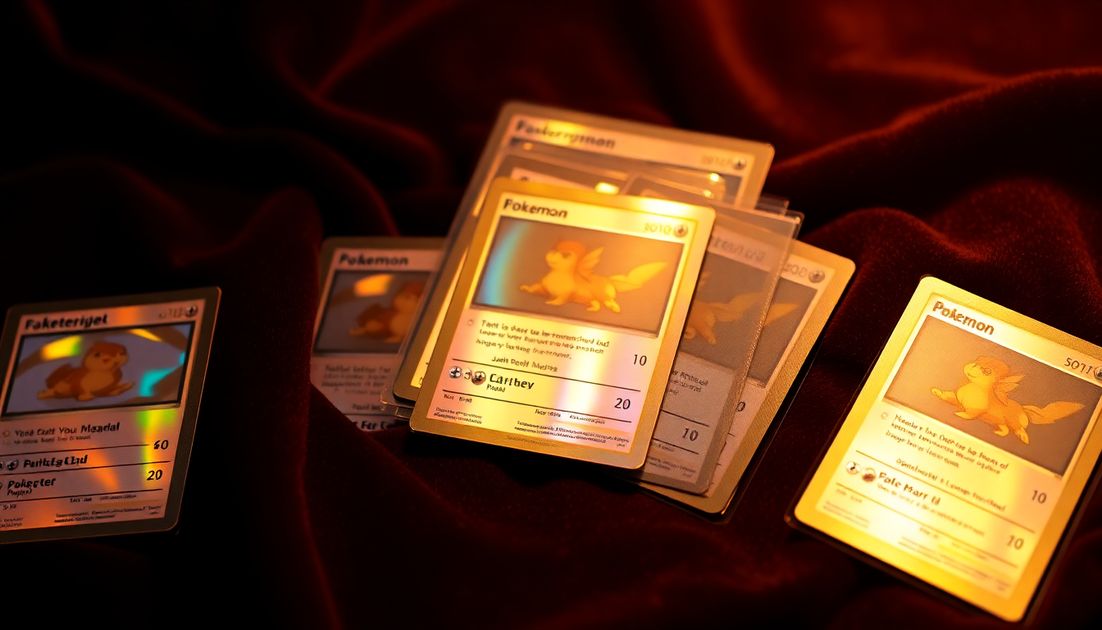
You're scrolling through eBay at 2 AM, coffee growing cold, when you spot it: a pristine Lopunny card that makes you pause mid-scroll. Maybe it's the elegant artwork, the nostalgic pull from Diamond/Pearl, or whispers you've heard about certain cards gaining traction. Whatever drew you in, you're now wondering: is this fluffy Normal-type worth your money?
Lopunny cards occupy a fascinating niche in the Pokemon TCG market. Unlike powerhouse favorites such as Charizard or Pikachu, Lopunny operates in the mid-tier collectible space where smart collectors can find genuine value. The rabbit Pokemon first appeared in Base Set Diamond & Pearl in 2007, but recent releases have sparked renewed interest among both players and collectors.
Current market data shows significant variation across different Lopunny printings. Raw near-mint copies of the original Diamond & Pearl Lopunny #96/130 trade between $8-15 on TCGplayer, while PSA 10 examples command $85-120 based on recent eBay sold comps. The spread widens dramatically when you examine special releases and promotional variants.
Lopunny Card Valuations Across All Conditions
Understanding Lopunny's current market requires examining specific cards rather than generalizing across all printings. The most liquid and traded Lopunny cards include the original Diamond & Pearl base set version, several Black & White era printings, and recent Sword & Shield appearances.
Diamond & Pearl Lopunny #96/130 represents the baseline for collectors. Near-mint raw copies consistently sell for $10-14 on TCGplayer, with lightly played examples dropping to $6-8. Moderately played copies hover around $4-5, while heavily played examples bottom out at $2-3. The card maintains steady demand due to nostalgia and competitive play history.
Graded examples show the typical Pokemon premium structure. PSA 9 copies last sold for $35-45 on eBay over the past 30 days, while PSA 10 examples reached $95-115. BGS 9.5 copies trade slightly below PSA 10 levels at $80-95, though BGS Black Label 10s are virtually nonexistent for this card. CGC 10 Pristine examples sell for $70-85, reflecting CGC's lower premium compared to PSA in the Pokemon market.
Plasma Freeze Lopunny #78/116 tells a different story entirely. This card saw competitive play during its standard rotation, creating deeper collector interest. Raw near-mint copies trade for $3-6, but PSA 10 examples jump to $45-65. The population report shows 847 PSA submissions with only 312 achieving gem mint status, creating artificial scarcity that supports pricing.
Recent Sword & Shield era Lopunny cards trade at modern Pokemon levels. Battle Styles Lopunny #140/163 moves between $1-3 in raw form, while the Evolving Skies Lopunny #178/203 sits even lower at $0.50-1.50. These modern printings lack the nostalgia premium and face enormous print runs that suppress long-term value.
Promotional and Special Release Lopunny Cards
Promotional Lopunny releases command the highest premiums in this Pokemon's collectible ecosystem. The BW Black Star Promo BW71 Lopunny distributed at 2012 Pokemon League events now sells for $15-25 in near-mint condition. PSA 10 copies reach $85-110, supported by limited distribution and strong nostalgia for the Black & White era.
Japanese exclusive releases add another layer of complexity and value. The Pokemon Card Game Classic Collection Lopunny from 2022 Japanese sets trades for $8-12 raw, with PSA 10 examples hitting $40-60. Lower populations and import costs support these premiums despite the card's recent release date.
Tournament prize cards represent Lopunny's absolute ceiling. The 2008 World Championships Lopunny exists in extremely limited quantities, with raw examples selling for $200-350 when they surface. Only 23 copies exist in the PSA registry, making this one of the most valuable Lopunny cards ever printed.
Historical Price Performance and Market Trends
Lopunny's price history reveals patterns that smart collectors can exploit. The Pokemon experienced its first major price spike during the 2020-2021 pandemic boom, following broader market trends but with less dramatic peaks than chase cards.
Data from CardMarket shows the original Diamond & Pearl Lopunny appreciated 340% between January 2020 and February 2021, climbing from $2.80 average to $12.30. The card held these gains better than many Pokemon during the 2021-2022 correction, settling at current levels around $10-11. This resilience suggests genuine collector demand rather than pure speculation.
The competitive play factor cannot be ignored. Lopunny saw tournament success in expanded format decks between 2019-2021, driving player demand for specific printings. TCGplayer data shows volume spikes correlating with major tournament results, particularly when Lopunny/Gardevoir decks performed well at Regional Championships.
Graded card premiums evolved differently than raw copies. PSA 10 Diamond & Pearl Lopunny peaked at $180-220 in early 2021 before settling at current $95-120 levels. The correction was sharper for graded examples, reflecting broader trends in Pokemon grading speculation during the pandemic period.
Recent data suggests stabilization rather than continued decline. Six-month rolling averages show PSA 10 Lopunny holding steady around $105-110, while raw near-mint copies maintain $10-13 ranges. This sideways movement indicates the speculative excess has been wrung out, leaving more sustainable collector pricing.
Regional Market Variations
European markets via Cardmarket show interesting divergences from US pricing. Diamond & Pearl Lopunny trades 15-20% lower in European markets, with near-mint copies averaging €8-10 versus $10-14 on TCGplayer. Japanese domestic markets through Yahoo Auctions show even larger gaps, with comparable cards trading for ¥800-1,200 ($6-9 USD).
These regional differences create arbitrage opportunities for sellers willing to navigate international shipping and payment processing. Several collectors report success buying from Japanese sellers and reselling domestically, though eBay's recent international shipping program has narrowed some spreads.
Graded Card Analysis and Population Reports
Population reports reveal crucial insights into Lopunny's long-term potential. PSA data shows 2,847 total Diamond & Pearl Lopunny submissions, with grade distribution heavily skewed toward lower grades due to the card's age and play history.
Grade distribution breaks down as follows:
PSA 10: 614 cards (21.6%)
PSA 9: 1,089 cards (38.3%)
PSA 8: 743 cards (26.1%)
PSA 7 and below: 401 cards (14.1%)
The 21.6% gem mint rate sits well below modern Pokemon standards but aligns with mid-2000s card quality. This creates sustainable scarcity for PSA 10 examples without the extreme rarity that drives four-figure pricing.
BGS populations tell a similar story with 1,156 total submissions. BGS 9.5 copies number 298, while BGS 10s are extremely rare at just 47 total examples. The scarcity of BGS 10s explains their $150-200 premium over PSA 10 copies when they surface for sale.
CGC adoption remains limited for vintage Pokemon, with only 234 Diamond & Pearl Lopunny submissions recorded. CGC 10 Pristine examples total 67 cards, trading at 15-20% discounts to comparable PSA grades. This discount may narrow as CGC gains acceptance, presenting potential value for patient collectors.
Condition Sensitivity and Grading Considerations
Lopunny cards from the Diamond & Pearl era exhibit typical vulnerability to edge wear and corner softness. The card's light background shows print lines and surface imperfections readily, making true gem mint examples genuinely scarce rather than artificially limited.
Modern submissions face different challenges. Print quality improved significantly by Sword & Shield era, but enormous print runs mean PSA 10 populations will eventually dwarf vintage releases. Current submission numbers remain manageable, but this will change as more collectors send modern Lopunny cards for grading.
Centering represents the biggest grading obstacle for Diamond & Pearl Lopunny. Approximately 30% of raw near-mint examples show centering issues that cap grades at PSA 9 or BGS 9. This creates a meaningful quality cliff that supports PSA 10 premiums.
Factors Driving Current Market Movement
Several catalysts influence Lopunny's current market dynamics, starting with competitive play relevance. The Pokemon maintains expanded format viability in specific deck builds, creating steady player demand that supports floor pricing.
Nostalgia timing works in Lopunny's favor. The Pokemon debuted in 2007's Diamond & Pearl games, hitting peak nostalgia cycles for collectors who were children during the DS era. This demographic now has disposable income and collector interest, driving sustained demand for original printings.
Anime appearances provide periodic demand spikes. Lopunny featured prominently in several Diamond & Pearl anime episodes and maintained recurring roles throughout subsequent seasons. Recent appearances in Pokemon Journeys created minor price bumps for related cards, though the effect was temporary.
The broader Pokemon market stabilization helps Lopunny by removing speculative pressure while maintaining collector interest. Cards trading in the $10-100 range often benefit when speculative money leaves chase cards and seeks value plays in lower-tier Pokemon.
Reprint risk remains minimal for vintage Lopunny cards. The Pokemon Company shows no interest in reprinting specific Diamond & Pearl era cards outside of anniversary sets, which typically feature different artwork and clearly marked special releases.
Competitive Meta Considerations
Current expanded format gameplay keeps Lopunny relevant through several deck archetypes. Lopunny/Gardevoir builds continue posting tournament results, while Lopunny/Zoroark variants appear in tier 2 strategies. This ongoing competitive presence supports demand from players who need multiple copies.
The Pokemon's typing and attacks remain viable in expanded format, unlike many Diamond & Pearl era cards that became completely obsolete. Lopunny's normal typing and energy-efficient attacks provide deck building flexibility that maintains player interest.
Recent set releases haven't introduced obviously superior alternatives to Lopunny's specific role in expanded decks. This competitive longevity creates demand sustainability that pure collector cards lack.
Investment Outlook and Price Projections
Short-term projections favor sideways movement with gradual appreciation. Lopunny lacks the explosive potential of chase cards but offers steady, predictable growth that appeals to conservative collectors. Current pricing appears sustainable based on collector demand and competitive utility.
The 12-18 month outlook suggests modest appreciation for PSA 10 Diamond & Pearl Lopunny. Price targets of $120-140 seem reasonable based on continued nostalgia cycles and stable collector interest. Raw near-mint copies should maintain $10-15 ranges unless broader Pokemon market conditions deteriorate significantly.
Longer-term prospects depend heavily on Pokemon Company reprint policies and competitive format changes. The 20th anniversary cycle could trigger special releases that impact vintage card values, though historical precedent suggests minimal effect on non-chase Pokemon.
Graded card premiums will likely compress as submission volumes increase. Current PSA 10 premiums of 8-10x raw pricing seem unsustainable long-term, with eventual compression to 4-6x more realistic. This suggests better relative value in high-quality raw examples versus graded cards at current spreads.
Risk Factors and Downside Scenarios
Several risks could derail Lopunny's steady appreciation trajectory. A major reprint featuring classic artwork would significantly impact vintage card values, though the Pokemon Company rarely reprints specific vintage cards without clear anniversary justification.
Competitive format changes represent ongoing risk. Expanded format rotation or rule changes could eliminate Lopunny's playability, removing player demand that currently supports pricing floors. Historical precedent shows 15-25% price declines when Pokemon lose competitive relevance.
Broader Pokemon market conditions create systematic risk. A return to 2022-style correction could pressure all Pokemon cards regardless of individual fundamentals. Lopunny's mid-tier status provides some downside protection but won't eliminate correlation with broader market moves.
Population growth through increased grading submissions will pressure premium grades. As more collectors discover CGC's lower costs and faster turnaround, population numbers will grow faster than underlying demand, compressing graded premiums.
Where to Buy Lopunny Cards: Platform Analysis
Platform selection significantly impacts both purchase prices and authentication confidence when buying Lopunny cards. Each major marketplace offers distinct advantages and risk profiles that collectors should understand.
TCGplayer provides the most liquid market for raw Lopunny cards, with 15-25 active listings for popular printings at any given time. Pricing tends to track market efficiently, with seller competition keeping premiums reasonable. The platform's condition standards help buyers avoid misrepresented cards, though some subjectivity remains in condition assessment.
eBay offers the widest selection including rare promotional releases and international variants. Recent sold comps provide excellent price discovery, but buyer protection varies significantly between auction and Buy It Now formats. Graded card purchases carry less risk than raw cards due to authentication, but premiums run 5-10% higher than other platforms.
Card Kingdom excels for high-quality raw examples when they stock Lopunny cards. Their strict grading standards mean near-mint cards genuinely deserve the designation, though selection remains limited and pricing runs premium to market. The platform works best for collectors prioritizing condition over savings.
Cardmarket serves European collectors effectively, offering 15-20% savings versus US markets for most Lopunny cards. Language barriers and shipping logistics complicate transactions, but patient buyers can find excellent value. The platform's reputation system works well for identifying reliable sellers.
Authentication and Condition Considerations
Graded card purchases minimize condition risk but come with premium pricing and potential authentication concerns. PSA and BGS cards from established sellers carry minimal risk, while CGC cards require more seller verification due to newer grading company status.
Raw card purchases demand careful seller evaluation. High-feedback sellers with detailed photos and accurate descriptions provide the best experience, while low-feedback sellers selling high-value cards warrant additional scrutiny. Condition fraud remains rare but costly when it occurs.
International purchases introduce additional variables including customs delays, shipping damage risk, and currency conversion costs. These factors often negate apparent savings from lower overseas pricing, particularly for cards under $50 value.
Timing purchases around major Pokemon releases or tournament seasons can yield 10-15% savings as seller inventory increases. Conversely, buying during low-inventory periods or after major tournament results typically costs premium pricing.
The Lopunny market rewards patient buyers who understand condition grading, platform dynamics, and timing factors. Quick purchases at market prices rarely yield bargains, while collectors willing to wait for quality examples often find genuine value in this steady, underappreciated Pokemon's card ecosystem.