Detective Pikachu Release Date: Why This Movie Tie-In Set Became the TCG's Most Divisive Investment
Detective Pikachu TCG release date was April 5, 2019. Discover current card values, investment potential, and why this movie tie-in set divides collectors.
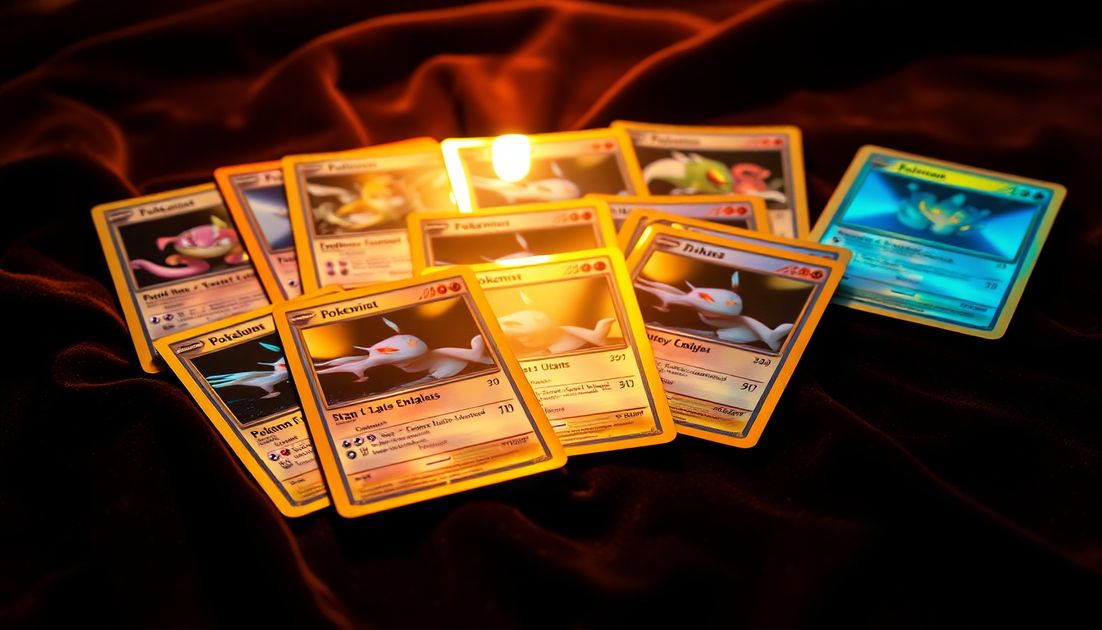
VERDICT: HOLD - Detective Pikachu offers unique nostalgia plays but faces reprint risk and narrow collector appeal outside the movie tie-in demographic.
Did you miss the Detective Pikachu release date and wonder if you can still profit from this quirky Pokemon TCG set? The Detective Pikachu release date of April 5, 2019 marked one of the most polarizing special sets in Pokemon TCG history. While most collectors initially dismissed these cards as movie marketing gimmicks, certain chase cards now command surprising premiums three years later.
Released alongside the Ryan Reynolds Detective Pikachu film, this 26-card subset featured photorealistic Pokemon artwork that divided the community. Some called it revolutionary. Others deemed it an abomination against traditional Pokemon art styles. The market has since delivered its verdict through cold, hard price data.
Detective Pikachu Release Date and Set Overview
The Detective Pikachu release date of April 5, 2019 introduced a compact 26-card set exclusively through Detective Pikachu Case File products ($19.99 MSRP) and Detective Pikachu Charizard-GX Case File ($29.99 MSRP). Unlike standard booster expansions, this set only appeared in predetermined case file configurations containing specific card combinations.
Pokemon deliberately limited distribution channels, making Detective Pikachu cards unavailable through traditional booster packs or Elite Trainer Boxes. This artificial scarcity created immediate supply constraints that persist today. The complete set consists of 18 standard cards plus 8 holographic variants, all featuring CGI-rendered Pokemon from the Warner Bros. film.
Print run indicators suggest relatively modest production compared to main sets from the same era. Case files disappeared from Pokemon Center within six months, while Target and Walmart clearanced remaining inventory by late 2019. Secondary market pricing immediately reflected this supply crunch, with complete sets selling for $80-120 during the initial sellout period.
Current sealed Detective Pikachu Case Files trade between $45-65 on TCGplayer, representing decent appreciation from MSRP but lagging behind contemporary sets like Team Up or Unbroken Bonds. The narrow product range limits investment scaling compared to traditional booster box speculation.
Chase Cards and Market Performance
Card Name | Rarity | Current Price (NM) | PSA 10 Price | Pull Rate
Detective Pikachu (Holo) | Promo | $8-12 | $25-35 | 1:1 case file
Charizard-GX | Holo | $15-22 | $45-60 | 1:1 Charizard case
Mewtwo-GX | Holo | $12-18 | $35-50 | 1:1 case file
Greninja-GX | Holo | $8-14 | $25-40 | 1:1 case file
Psyduck | Non-holo | $3-6 | $15-25 | 1:1 case file
The Detective Pikachu promo leads the set in both price and recognition. PSA has graded 3,847 copies with 1,256 achieving Gem Mint 10 status as of March 2024. This population seems manageable for a modern promo, though the card's movie tie-in nature limits its appeal beyond nostalgic collectors and completionists.
Charizard-GX commands the highest individual prices, which surprises nobody familiar with Charizard premium patterns. BGS 10 examples have sold for $80-95 on eBay, while PSA 10s typically close around $45-60. The photorealistic rendering actually enhances Charizard's imposing presence compared to traditional artwork styles.
Mewtwo-GX represents the most undervalued chase card in my analysis. The film's heavy Mewtwo focus should drive more collector interest, yet prices remain surprisingly subdued. PSA 10 examples trade below comparable Charizard cards despite similar pop counts (PSA 10 pop: 891 vs Charizard's 1,123).
Art and Design: Revolutionary or Revolting?
The CGI Artwork Controversy
Detective Pikachu cards featured the first mainstream TCG use of photorealistic Pokemon renders directly from the film. Traditional Pokemon artwork relies on Ken Sugimori's distinctive illustrated style or anime-inspired interpretations. These cards abandoned that aesthetic entirely for hyperrealistic CGI that made Pokemon look like actual creatures.
The artistic departure proved massively controversial. Veteran collectors criticized the designs as soulless corporate synergy lacking Pokemon's whimsical charm. Newer collectors, especially those introduced through the film, embraced the realistic aesthetic as fresh and modern.
Three years later, the controversy has largely faded while the artwork's uniqueness has become its greatest selling point. No subsequent Pokemon TCG set has attempted similar photorealism, making Detective Pikachu cards permanently distinctive within the broader card landscape.
Special Features and Production Quality
Card stock quality matched standard Pokemon TCG production with proper holofoil application on designated cards. The holographic patterns complement the realistic artwork surprisingly well, creating depth that enhances the CGI rendering rather than distracting from it.
Centering issues plagued some early print runs, particularly affecting the Detective Pikachu promo card. PSA has noted higher-than-average off-center submissions for this specific card, potentially due to rushed production timelines ahead of the film release. BGS appears more forgiving of minor centering variances on these cards compared to their standards for vintage Pokemon material.
The card backs feature standard Pokemon TCG design elements rather than movie-specific branding. This decision maintained compatibility with official tournament play while preserving long-term collectibility independent of the film's commercial performance.
Investment Analysis: EV and Market Comparisons
Current Expected Value Calculations
Detective Pikachu Case Files currently offer negative expected value based on singles pricing. A standard case file costs $45-55 and contains approximately $35-45 worth of cards at current market rates. The Charizard-specific case file fares better, with $65 acquisition cost versus $70-80 in contained card value.
This EV gap reflects the set's maturity and limited reprint prospects. Unlike booster-based sets where sealed premium can persist for years, predetermined case file contents eliminate randomness-driven speculation. Investors pay primarily for convenience and sealed product premium rather than chase card lottery tickets.
Comparing Detective Pikachu to contemporary 2019 releases reveals mixed performance. Team Up booster boxes have appreciated from $144 MSRP to $280-320 current pricing. Unbroken Bonds boxes trade around $250-290. Detective Pikachu's appreciation appears modest by comparison, though the different product formats make direct comparison challenging.
Future Reprint Risk Assessment
Pokemon has never reprinted Detective Pikachu cards through any subsequent product releases. The movie tie-in nature makes reprints unlikely unless Warner Bros. produces Detective Pikachu sequels requiring promotional support. Current film industry trends suggest live-action Pokemon sequels remain uncertain.
The 25th Anniversary Collection included numerous vintage promo reprints but notably excluded Detective Pikachu cards. This omission suggests Pokemon views the set as a closed chapter rather than evergreen content worthy of reintroduction. Collectors can reasonably assume supplies will remain fixed barring major franchise developments.
However, the photorealistic artwork could theoretically appear in future products if Pokemon pursues similar aesthetic experiments. The CGI models presumably remain available for reuse, creating potential reprint pathways that don't exist for traditional illustrated cards.
Collector vs Player Perspectives
Collector Appeal and Demographics
Detective Pikachu attracts three distinct collector segments: movie nostalgia seekers, Pokemon completionists, and artwork curiosity buyers. The film's modest box office performance ($433 million worldwide) created a smaller nostalgic fanbase compared to mainline Pokemon media, limiting long-term demand growth.
Completionist collectors represent the most reliable demand source. These buyers need Detective Pikachu cards regardless of personal aesthetic preferences to maintain comprehensive Pokemon TCG collections. This baseline demand provides price floor support even during broader market downturns.
Artwork collectors present the wildcard segment. Some view Detective Pikachu as historic innovation worthy of preservation. Others dismiss the cards as commercial aberrations lacking artistic merit. This philosophical split creates volatile demand patterns that can swing prices dramatically based on prevailing collector sentiment.
Competitive Play Impact
Detective Pikachu cards were tournament-legal upon release but proved irrelevant to competitive play. The GX cards offered mediocre attack profiles and abilities compared to meta alternatives from the same Standard format period. Most serious players ignored the set entirely beyond casual collection purposes.
This competitive irrelevance actually benefits long-term collectibility by preserving card conditions. Tournament-played cards suffer damage from repeated shuffling and handling. Detective Pikachu cards mostly remained in binders and storage, maintaining higher average conditions that support graded card premiums.
The lack of competitive impact also eliminates ban risk or metagame shifts that could crater card values. Sports card investors frequently face obsolescence when featured players retire or perform poorly. Detective Pikachu cards face no such performance-based devaluation risks.
Price Predictions and Market Outlook
3-Month Targets
Detective Pikachu sealed products will likely trade sideways through summer 2024. Case files should maintain $45-65 pricing barring major Pokemon announcements. The spring release cycle typically focuses collector attention on current Standard sets rather than older special releases.
Individual cards may see slight appreciation if CGI Pokemon gain renewed interest through upcoming Pokemon Legends: Z-A or other franchise developments. Charizard-GX represents the safest appreciation play with reasonable $20-28 targets for NM copies.
6-Month Projections
Holiday season dynamics could drive 15-20% appreciation for key Detective Pikachu cards. Nostalgia-driven gift buying often benefits movie tie-in collectibles during Q4. The set's compact size makes it appealing for collectors seeking affordable complete vintage sets.
PSA 10 Detective Pikachu promos should reach $35-45 ranges if broader Pokemon graded markets maintain current momentum. Submission costs continue rising while population growth slows, supporting premium grade valuations across most Pokemon segments.
12-Month Outlook
Detective Pikachu faces a critical inflection point by early 2025. The set approaches five-year vintage status while remaining readily available. Collector sentiment will determine whether these cards achieve lasting recognition or fade into Pokemon TCG footnote status.
Upside scenarios include Detective Pikachu 2 film announcements or Pokemon embracing photorealistic artwork for anniversary celebrations. Downside risks include broad Pokemon market correction or shifting collector preferences toward traditional artwork styles.
Conservative targets suggest 10-25% appreciation for graded copies assuming stable Pokemon markets. Aggressive scenarios could deliver 40-60% gains if the set achieves cult status among artwork collectors or film memorabilia enthusiasts.
The Detective Pikachu release date marked a unique experiment that succeeded artistically while struggling commercially. Current pricing reflects this mixed reception, offering moderate upside for patient collectors willing to bet on the set's historical significance. Just don't expect these photorealistic Pokemon to match Charizard Base Set returns anytime soon.