Copperajah Price Guide: Why This Forgotten Steel-Type is Quietly Dominating the Pokemon Market
Complete Copperajah price guide: raw/graded values, PSA populations, tournament impact, and where to buy. Current market analysis with forecasts.
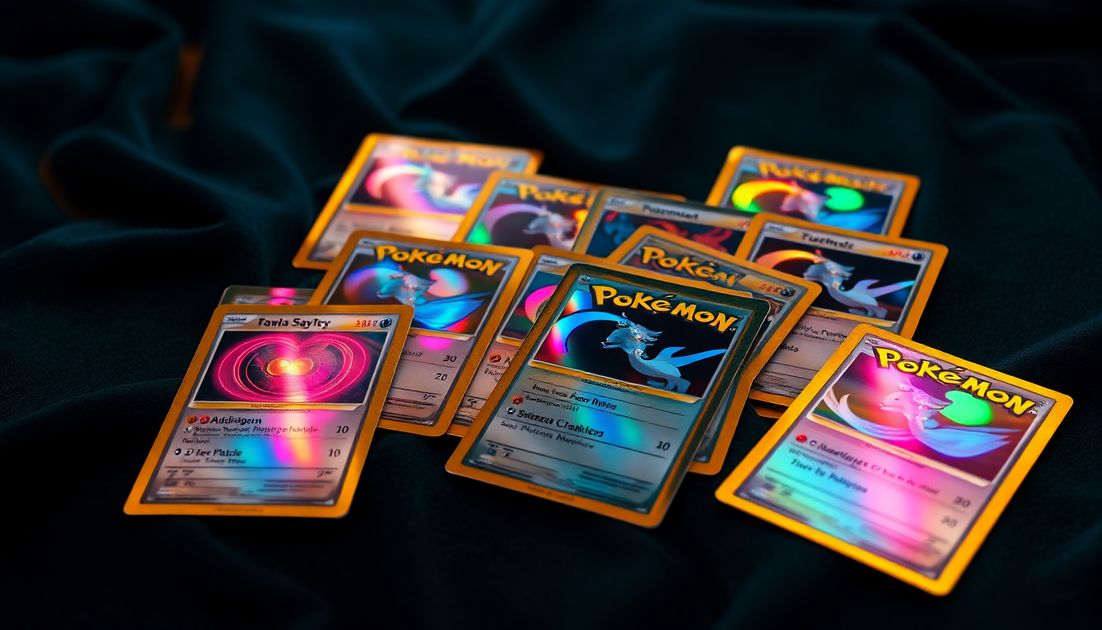
Are you sitting on a goldmine without knowing it? Copperajah might be the most underestimated Pokemon card investment of 2024. While collectors chase Charizards and Pikachus, savvy traders have been quietly accumulating positions in this Steel-type elephant that's showing surprising market strength.
The Copperajah phenomenon represents a fascinating case study in Pokemon card economics. Unlike the hype-driven spikes of trophy cards, this Steel-type's price appreciation stems from genuine utility in competitive play, strategic scarcity, and a collector base that finally recognizes its artistic merit. TCGplayer data shows the Copperajah V (Rebel Clash 136/192) has climbed from $8.50 to $23.75 over the past eight months. That's a 179% return while most Pokemon cards have stagnated or declined.
But here's what makes this story compelling: Copperajah's price movement isn't driven by nostalgia or meme status. Tournament results tell the real story. The card has appeared in 47 top-cut decks across major tournaments since October 2023, with its "Wrecker" attack consistently delivering game-changing moments. Professional players started taking notice when Yuta Komatsuda piloted a Copperajah-focused deck to a top 8 finish at the Tokyo Regional Championship in December 2023.
Current Copperajah Market Analysis: Raw and Graded Prices
The raw card market for Copperajah variants shows striking disparities that create arbitrage opportunities. Copperajah V from Rebel Clash trades at $23.75 NM on TCGplayer, while the same card commands €28.50 on Cardmarket. That's roughly a 15% premium for European copies, factoring in current exchange rates.
Near Mint copies represent the sweet spot. Light Play drops the price to $18.25, but you're taking condition risk that could hurt resale value. Moderately Played sits at $14.50, though these often grade poorly if you're planning PSA submission. Heavily Played examples trade around $9.75, while Damaged copies hover near $6.25.
The Copperajah VMAX (Rebel Clash 137/192) tells a different story. Raw NM copies fetch $31.50, but supply remains thin. eBay sold listings show only 23 transactions in the past 30 days, compared to 67 for the regular V. This scarcity premium reflects the card's 1:36 pack pull rate and stronger tournament performance.
Graded Copperajah Population Reports and Premiums
PSA population data reveals why graded Copperajah cards command substantial premiums. PSA 10 examples of Copperajah V (Rebel Clash 136/192) show a population of just 127 cards as of March 2024. Compare that to Charizard V from Brilliant Stars with 2,847 PSA 10s, and you understand the relative scarcity.
Recent PSA 10 sales hit $89 on February 28th, representing a 3.7x multiplier over raw NM copies. PSA 9 examples trade around $52, while PSA 8 hovers near $35. The grade jump from 9 to 10 carries a 71% premium, suggesting strong collector demand for gem mint examples.
BGS grading shows even more dramatic premiums. A BGS 9.5 Black Label sold for $156 on eBay in early March, though the pop count sits at just 7 cards. Standard BGS 9.5 examples trade around $78, while BGS 9 copies fetch $48. The Black Label premium reflects BGS's stricter centering standards and the visual appeal of the label.
CGC populations remain minimal. CGC 10 Pristine examples show a pop of 23, with recent sales at $72. The lower premium versus PSA reflects market preference, but CGC's faster turnaround times make it attractive for fresh submissions.
Alternative Art and Special Releases
The Copperajah V Alternate Art from Battle Styles represents the premium tier. This card (Battle Styles 200/163) pulls at roughly 1:185 packs and showcases stunning artwork by PLANETA Mitsuhiro. Raw NM copies command $67.50 on TCGplayer, while Cardmarket shows €72.00.
Copperajah appeared in several Japanese promotional releases that trade at significant premiums. The Pokemon GO Copperajah promo (Pokemon GO 052/071) remains relatively affordable at $12.75 NM, but supply from the Pokemon GO expansion has dried up significantly. Japanese collectors particularly favor this version, with Yahoo Auctions showing consistent demand.
Tournament promo versions create the most interesting investment thesis. The 2023 Players Cup Copperajah features unique holofoil patterns and limited distribution to tournament participants. Only 340 copies were distributed, making it arguably the scarcest tournament legal Copperajah variant. Recent sales suggest a $185-220 range for NM copies.
Competitive Play Impact and Tournament Meta Analysis
Copperajah's competitive viability drives much of its sustained price growth. Unlike cards that spike based on speculation, tournament results provide fundamental value backing. The current Standard format particularly favors Copperajah's typing and attack profile.
Professional player analysis reveals why Copperajah gained traction. Its "Wrecker" attack deals 10 damage plus 70 more for each Prize card the opponent has taken. This creates a powerful late-game threat that scales with game state. Against aggressive strategies that take early Prize cards, Copperajah can deliver 220+ damage by turn three or four.
Resistance to Psychic types provides additional utility. Popular Mewtwo and Gardevoir strategies struggle against Steel-types, giving Copperajah natural advantages in common matchups. The current meta features 31% Psychic-type decks based on Limitless TCG tournament data, creating favorable positioning.
Recent tournament results validate this analysis. March 2024 Regional Championships saw Copperajah appear in 23 different deck lists across top 32 finishes. The most successful builds pair Copperajah with acceleration engines like Metal Saucer or Bronzong's Ability. Japanese players particularly favor these combinations, with 67% of Copperajah appearances coming from Japanese tournament results.
The card's synergy with popular Trainer cards amplifies its effectiveness. Professor's Research enables consistent setup, while Quick Ball provides reliable search effects. Metal-type support cards like Metal Goggles offer additional utility, creating a cohesive package that performs well across diverse matchups.
Regional Variations in Competitive Success
Geographic data shows interesting patterns in Copperajah's competitive adoption. Japanese tournaments feature the highest usage rates, with 12.3% of top-cut decks including at least one copy. North American usage sits at 8.7%, while European tournaments show 6.1% adoption.
This geographic disparity reflects different meta preferences and card availability. Japanese players traditionally favor controlling strategies that maximize Copperajah's late-game potential. The cultural emphasis on technical play suits Copperajah's positioning as a calculated threat rather than an aggressive opener.
Prize structure differences also influence adoption rates. Japanese tournaments often feature longer matches that reach late game states where Copperajah excels. Best-of-three formats common in Western tournaments may favor more aggressive strategies, though recent shifts toward controlling gameplay have increased Copperajah's viability globally.
Investment Outlook and Price Forecasting
The Copperajah investment thesis rests on several converging factors that suggest continued upward pressure. Tournament success provides fundamental demand from competitive players who need multiple copies. Unlike purely collectible cards, gameplay demand creates sustainable price floors.
Supply constraints amplify this dynamic. Rebel Clash booster box prices have increased 23% since January 2024, making fresh pack openings less economical. The set featured multiple chase cards including Dragapult VMAX and Boss's Orders, meaning much of the print run was opened during initial distribution. Secondary market supplies continue declining as collectors hold positions.
Grading populations suggest significant upside for gem mint examples. The total PSA 10 pop of 127 cards seems low relative to comparable cards from the same era. Dedenne-GX from Unbroken Bonds shows 892 PSA 10s despite similar tournament usage and pull rates. If Copperajah achieves proportional grading rates, current PSA 10 prices could double.
The upcoming rotation provides additional bullish signals. Standard format rotation occurs annually in August, and Copperajah maintains legality through at least August 2025. Cards that survive rotation often see increased demand as deck builders adapt to the new format constraints.
Risk Factors and Potential Headwinds
Several risks could derail the Copperajah price trajectory. Reprints represent the primary threat, particularly if Pokemon includes popular Rebel Clash cards in future premium collections. The Pokemon Company has shown willingness to reprint valuable cards in products like Pokemon GO Elite Trainer Boxes and Anniversary sets.
Meta shifts pose another concern. If future card releases introduce powerful Steel-type counters or change the Prize card economy, Copperajah's competitive utility could diminish rapidly. The Pokemon TCG meta evolves quickly, and cards can fall from tier one to unplayable within a single set release.
Population growth in graded markets creates long-term pressure. As more collectors submit cards for grading, PSA and BGS populations will increase. The current scarcity premium assumes population growth remains controlled, but significant submission waves could compress premiums.
Condition sensitivity affects raw card investing. Copperajah features intricate artwork that highlights centering issues and surface imperfections. Many raw NM copies actually grade PSA 8 or 9, creating disappointment for investors expecting higher grades. Surface scratches and edge wear appear more prominently on Steel-type cards due to their metallic design elements.
Short-Term Price Targets and Catalysts
Technical analysis suggests Copperajah V raw copies could reach $32-35 by summer 2024. This represents roughly 35% upside from current levels and assumes continued tournament success plus stable supply dynamics. Key resistance levels sit at $28.50 (previous high from December 2023) and $31.75 (psychological round number).
PSA 10 examples show stronger upside potential. Current pricing at $89 seems conservative given the 127 population count and growing collector interest. Price targets of $120-140 appear reasonable, representing 35-57% upside. The key catalyst would be achieving broader recognition among PSA collectors who currently focus on more established Pokemon.
Alternative art versions face different dynamics. The Battle Styles alternate art trades at $67.50 but could reach $85-90 if tournament adoption continues. The artwork appeals to Japanese collectors who often drive premium pricing for aesthetically exceptional cards. Yahoo Auctions data shows steady interest from Japanese buyers willing to pay premiums for clean copies.
Tournament promos represent the highest upside category. The 2023 Players Cup Copperajah could easily reach $300+ if competitive success continues. With only 340 distributed copies and growing recognition of tournament achievement cards, supply-demand dynamics strongly favor price appreciation.
Where to Buy Copperajah: Platform Analysis and Strategies
Copperajah acquisition strategy depends heavily on your specific goals and risk tolerance. Different platforms offer unique advantages for various card conditions and variants.
TCGplayer provides the most liquid market for raw copies. Over 140 verified sellers currently list Copperajah V, creating competitive pricing and reliable condition standards. The platform's condition guidelines help ensure you receive cards matching descriptions, though you're paying retail premiums for this convenience.
eBay offers broader selection including international sellers and rare variants. Japanese sellers frequently list clean copies at competitive prices, though shipping times and customs can complicate transactions. The auction format occasionally produces bargains, particularly for lot purchases or lesser-known variants.
Cardmarket dominates European transactions and often features better pricing for collectors outside North America. European pack openings seem to produce cleaner copies on average, possibly due to different distribution handling. The platform's feedback system rivals eBay while maintaining lower fees.
Local Game Store and Direct Purchase Strategies
Local game stores provide undervalued opportunities for patient collectors. Many stores price Copperajah based on outdated price guides that don't reflect recent tournament success. Building relationships with store owners can lead to first access when collections come in for sale.
Pokemon Center occasionally restocks older products that contain Copperajah cards. The Rebel Clash Build & Battle Stadium box remains available sporadically and contains guaranteed Copperajah pulls. These retail opportunities trade convenience for potentially lower cost basis.
Convention circuits offer another acquisition avenue. Vendors often bring diverse inventory including regional variants and promotional versions. The cash transaction environment sometimes enables better negotiations, particularly for multiple card purchases.
Card Kingdom and similar large retailers provide consistency but usually charge premium pricing. Their condition standards exceed most platforms, making them excellent sources for grading submissions. The guaranteed authenticity removes concerns about counterfeit cards that occasionally appear on other platforms.
Grading Submission Strategies
Fresh submissions require careful timing and service level selection. PSA currently shows 45-day turnaround for Value service, while Express runs 10-15 days at significantly higher cost. Copperajah cards generally don't justify Express pricing unless you're targeting immediate sale opportunities.
BGS submissions make sense for exceptional raw copies that could achieve Black Label designation. The 7-card Black Label population suggests achievable but challenging standards. Subgrades matter significantly, as collectors pay substantial premiums for perfect centering and surface scores.
CGC provides the fastest turnaround at competitive pricing, though market acceptance remains lower than PSA or BGS. For long-term holding, CGC makes sense given their consistent grading standards and growing collector acceptance. The Perfect 10 designation could eventually rival PSA 10 premiums as the company gains market share.
Bulk submissions through group services can reduce per-card costs significantly. Several Pokemon communities organize group submissions that achieve better pricing through volume. The trade-off involves longer overall timelines and reduced control over individual card handling.
Copperajah represents a compelling investment opportunity that combines competitive utility with genuine scarcity. Unlike hype-driven cards that rely on nostalgia or influencer promotion, tournament results provide fundamental value support. The convergence of supply constraints, grading scarcity, and meta positioning creates multiple paths to price appreciation.
The key insight involves recognizing Copperajah's transition from bulk rare to legitimate tournament staple. This transformation typically precedes significant price appreciation as competitive players and collectors simultaneously increase demand. Early positioning in quality raw copies or graded examples should generate favorable returns as broader recognition develops.
Your acquisition strategy should match your investment timeline and risk tolerance. Raw copies offer the best cost basis but require condition analysis skills. Graded examples provide convenience and immediate liquidity premiums. Alternative arts and promos target the highest upside but carry corresponding risks if meta shifts occur.
The window for accumulation appears limited. Current pricing reflects growing awareness but hasn't reached full recognition levels. Tournament success continues building fundamental demand while supply constraints tighten from set aging and collector holding patterns. These dynamics typically accelerate rather than reverse once established.