Blue Eyes White Dragon Price Guide 2024: Complete Market Analysis and Investment Strategy
Complete Blue-Eyes White Dragon price guide covering LOB-001 values, graded card populations, market analysis, and investment strategies across all conditions.
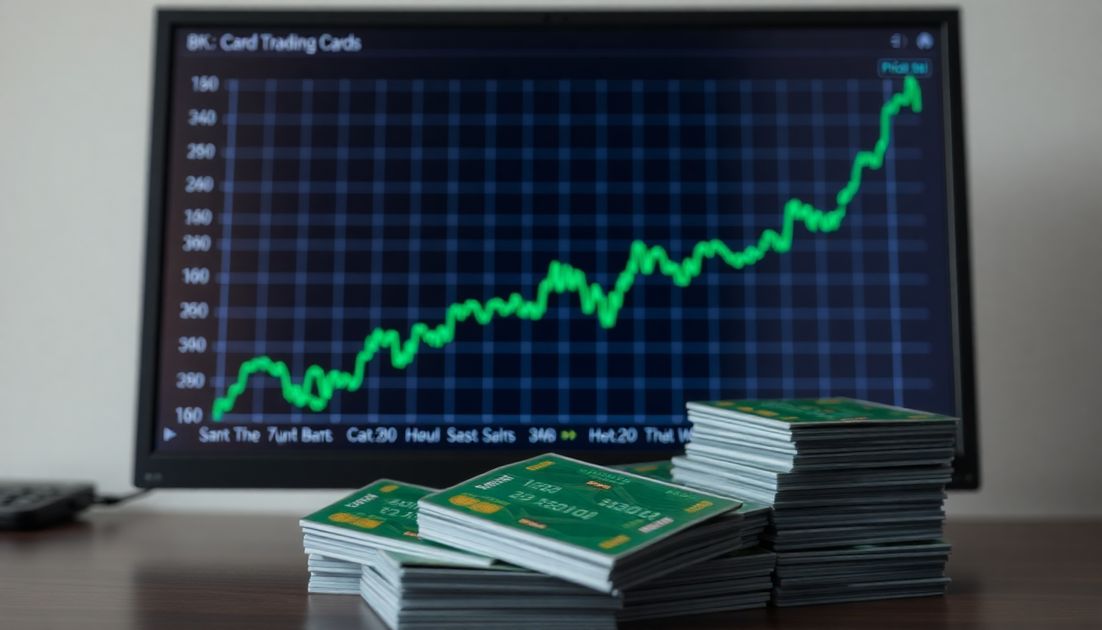
A single PSA 10 Blue-Eyes White Dragon LOB-001 sold for $85,000 on eBay in March 2022, making it the most expensive Yu-Gi-Oh! card ever sold publicly. While that record might seem untouchable, the blue eyes market continues to evolve with new sets, reprints, and collector behavior patterns that create both opportunities and pitfalls for serious investors.
Blue-Eyes White Dragon represents more than just nostalgia—it's the cornerstone of Yu-Gi-Oh! collecting. From the original Legend of Blue Eyes White Dragon (LOB) first edition to modern Secret Rare variants, understanding this market requires analyzing decades of price history, population reports, and the complex relationship between competitive play and collector demand.
Current Blue Eyes White Dragon Market Prices Across All Conditions
Raw LOB-001 first edition prices have stabilized after the 2021-2022 peak, though condition matters dramatically. A Near Mint copy trades between $2,800-$3,200 on TCGplayer, while Lightly Played drops to $1,900-$2,300. The gulf widens further down the condition spectrum: Moderately Played sits at $1,200-$1,500, Heavily Played at $800-$1,000, and Damaged copies still command $500-$650.
LOB-001 Unlimited provides a more accessible entry point. Near Mint unlimited copies trade for $180-$220, with LP at $130-$160, MP at $90-$120, HP at $60-$80, and DMG at $35-$50. These prices reflect eBay sold comps from the past 30 days, cross-referenced with TCGplayer market data.
Modern Blue-Eyes variants show different patterns. The Secret Rare Blue-Eyes White Dragon from Structure Deck: Saga of Blue-Eyes White Dragon (SDBE-EN001) trades for $8-$12 in Near Mint, while the Prismatic Secret Rare from the 25th Anniversary set (RA01-AE000) commands $15-$20.
Japanese versions add another layer. The original Blue-Eyes White Dragon from Starter Deck: Yugi (ST1-JP001) in mint condition sells for ¥8,000-¥12,000 on Cardmarket's Japanese sellers, roughly $55-$80 USD. The premium Blue-Eyes Alternative White Dragon from The Dark Side of Dimensions Movie Pack (MVP1-JPS55) reaches ¥15,000-¥20,000 for pristine copies.
Graded Blue Eyes Cards: PSA, BGS, and CGC Population Analysis
Graded Blue-Eyes showcase the most dramatic price premiums in the hobby. PSA 10 LOB-001 first edition copies consistently sell between $15,000-$25,000, with the population sitting at just 441 cards as of March 2024. PSA 9 examples trade for $4,500-$6,500, representing better liquidity with a population of 1,284 cards.
BGS grading tells a different story. A BGS 10 Pristine LOB-001 first edition sold for $42,500 in January 2024, though only 12 exist in the BGS population report. BGS 9.5 copies, with 156 in the population, trade for $8,000-$12,000 depending on subgrades. A BGS 9.5 with 10 centering and surface sells for significantly more than one with 9 edges.
CGC has gained traction recently. Their Perfect 10 designation requires all four subgrades to score 10.0, creating extreme scarcity. Only 3 CGC Perfect 10 LOB-001 first editions exist, with the last sale reaching $28,000. CGC 9.5 Gem Mint copies trade for $6,000-$8,500, offering a middle ground between PSA and BGS premiums.
Unlimited LOB-001 graded prices show more reasonable entry points. PSA 10 unlimited copies sell for $800-$1,200, while PSA 9 trades at $300-$450. The population difference is stark: 3,847 PSA 10 unlimited cards versus just 441 first edition PSA 10s.
Japanese Graded Cards Present Unique Opportunities
Japanese PSA 10 Blue-Eyes from various sets create interesting arbitrage opportunities. A PSA 10 ST1-JP001 trades for $400-$600, while the same grade on the 20th Anniversary Duelist Box version (20AP-JP000) commands $250-$350. These prices reflect lower Western demand for Japanese cards, despite often superior centering and print quality.
BGS has historically been less popular for Japanese cards, creating population scarcity. A BGS 9.5 ST1-JP001 with strong subgrades might sell for $300-$450, representing significant upside if BGS gains acceptance among Japanese card collectors.
Blue Eyes Price History and Market Drivers
The blue eyes market experienced three distinct phases over the past five years. Phase one (2019-2020) saw steady appreciation as Pokemon's boom lifted all TCG boats. LOB-001 first edition PSA 10 copies traded for $3,000-$5,000, while raw Near Mint examples sat at $800-$1,200.
Phase two (2021-2022) brought explosive growth. Logan Paul's $6 million Pokemon box opening and subsequent Yu-Gi-Oh! content drove mainstream attention. PSA 10 LOB-001 first edition peaked at $85,000 in March 2022, while raw copies hit $8,000-$10,000. The entire market lifted: unlimited PSA 10s reached $2,500-$3,000.
Phase three (2023-present) represents normalization and consolidation. Prices declined 60-70% from peaks but stabilized above 2020 levels. Current PSA 10 LOB-001 first edition prices of $15,000-$25,000 suggest the market found sustainable support levels.
Several factors drive ongoing price movement. Tournament results matter less for Blue-Eyes than other competitive cards since it hasn't been meta-relevant in years. Nostalgia and collector demand dominate pricing. Netflix's renewed Yu-Gi-Oh! content and Konami's 25th anniversary celebrations provide positive catalysts.
Reprint risk remains minimal for original LOB cards. Konami consistently reprints Blue-Eyes in new sets, but collectors clearly differentiate between vintage and modern versions. The LOB-001 first edition maintains its status as the original, while reprints actually increase overall Blue-Eyes awareness.
Celebrity involvement creates volatility. Logan Paul's purchases and social media posts correlate with short-term price spikes. Steve Aoki's Yu-Gi-Oh! collecting content drove a 15-20% price increase in late 2023.
Population Growth Threatens Long-Term Premiums
PSA submission trends show concerning patterns for grade premiums. The PSA 10 LOB-001 first edition population grew from 380 to 441 in 2023 alone—a 16% increase. If this pace continues, supply could outpace demand growth, compressing premiums.
BGS population growth appears more controlled, with only 8 new BGS 10 Pristine cards in 2023. This suggests either fewer BGS submissions or the extreme difficulty of achieving perfect grades on 25-year-old cards.
Raw card prices face different pressures. Ungraded LOB-001 first edition supply seems relatively fixed, with most high-grade examples already submitted for grading. This creates a natural floor for raw card prices, especially in true Near Mint condition.
Tournament Impact and Competitive Relevance
Blue-Eyes White Dragon's competitive history shapes collector perception despite current irrelevance. The card dominated early Yu-Gi-Oh! tournaments from 2002-2004, establishing its legendary status. Blue-Eyes Ultimate Dragon fusion strategies defined the game's first competitive meta, creating emotional attachment beyond pure nostalgia.
Modern competitive Yu-Gi-Oh! has left vanilla Blue-Eyes behind, but related cards maintain tournament presence. Blue-Eyes Alternative White Dragon and Blue-Eyes Chaos Dragon see occasional play in rogue decks. The Ritual Beast Blue-Eyes support from recent sets attempts to revitalize the archetype, though without meaningful success.
Surprisingly, this competitive irrelevance protects Blue-Eyes prices from ban list volatility. Cards like Mystic Mine or Tearlaments face constant reprint and restriction threats due to competitive impact. Blue-Eyes sits safely in collectible status, insulated from gameplay balance decisions.
The upcoming Yu-Gi-Oh! 25th Anniversary tournaments and Konami's renewed competitive support create potential catalysts. If Blue-Eyes receives meaningful competitive support, prices could spike 20-30% on speculation before settling based on actual tournament results.
OCG vs TCG Market Dynamics
Japanese (OCG) and Western (TCG) Blue-Eyes markets operate independently with interesting arbitrage opportunities. Japanese collectors often prefer different artwork and set variants, creating price disconnects. The Blue-Eyes White Dragon 20th Secret Rare (20AP-JP000) trades for ¥3,000-¥4,000 in Japan but $80-$120 in Western markets after conversion.
Tournament support differs between regions. The OCG occasionally receives Blue-Eyes support cards that take months to reach the TCG, creating temporary competitive relevance and price spikes in Japanese markets.
Investment Thesis and Risk Assessment
Blue-Eyes White Dragon represents a defensive collectible play rather than explosive growth potential. The downside appears limited given established collector demand and cultural significance. Upside depends on broader TCG market conditions and mainstream adoption.
Bull case factors include increasing mainstream acceptance of trading cards as legitimate collectibles, Netflix and media attention driving new collectors, and fixed supply of original LOB cards. The 25th anniversary celebrations provide near-term catalysts, while long-term demographic trends favor continued collecting growth.
Bear case risks center on population growth diluting graded card premiums, economic recession reducing discretionary spending on collectibles, and generational turnover potentially reducing Yu-Gi-Oh! nostalgia. The card's lack of competitive relevance makes it purely collectible, increasing sensitivity to broader market sentiment.
Condition fraud presents ongoing risks, especially for raw cards. The price gap between Near Mint and Lightly Played creates incentives for misrepresentation. Advanced collectors can identify edge wear, corner softness, and surface scratches, but newer investors face significant authentication challenges.
The grading company selection impacts long-term value. PSA maintains market leadership and liquidity advantages, while BGS offers potential upside for perfect examples. CGC provides value plays but faces uncertain market acceptance. Choose grading companies based on your collection timeline and liquidity needs.
Optimal Entry Strategies
New Blue-Eyes investors should start with unlimited LOB-001 raw cards in solid Near Mint condition. These provide authentic vintage exposure at $180-$220 price points while avoiding first edition premiums that may compress over time. Focus on cards with sharp corners, clean surfaces, and minimal edge wear.
Intermediate investors can target PSA 9 unlimited LOB-001 cards at $300-$450. These offer graded authenticity and condition guarantee while maintaining reasonable liquidity. The 4,200+ PSA 9 population provides multiple buying opportunities without extreme scarcity premiums.
Advanced collectors willing to allocate $5,000+ should consider PSA 9 first edition LOB-001 cards. The 1,284 population creates manageable scarcity while avoiding the $15,000+ PSA 10 premium. These cards capture most of the vintage appeal with better risk-adjusted returns.
Where to Buy Blue Eyes Cards: Marketplace Analysis
TCGplayer dominates English Blue-Eyes sales with the deepest inventory and competitive pricing. Their market price algorithm provides reliable valuation baselines, while buyer protection covers most transaction risks. Expect 3-5% payment processing fees and potential sales tax depending on your location.
eBay offers the broadest selection including international sellers and rare variants. Use sold listings to verify pricing rather than current auctions, which often include unrealistic asking prices. eBay's buyer protection favors purchasers, but authentication services add $25-$100 costs for higher-value items.
Cardmarket serves European buyers with lower fees and direct seller communication. Prices often run 10-15% below U.S. markets after currency conversion, though shipping times and international transaction risks require consideration. The trend graphs provide excellent price history data for European markets.
Local card shops provide inspection opportunities but limited inventory. Most shops carry common Blue-Eyes variants but rarely stock LOB-001 first edition copies. They excel for modern reprints and can special order specific cards, though expect 10-20% premiums over online pricing.
Graded Card Purchasing Strategies
PSA graded cards trade most actively on eBay and COMC (Check Out My Cards). COMC offers consignment services with professional photography but charges 20% commission plus listing fees. Their inventory includes many PSA 10 examples with detailed condition photos.
BGS graded cards appear less frequently but offer potential value plays. Focus on BGS 9.5 examples with strong subgrades—a 9.5 with 10 centering and surface trades closer to BGS 10 prices than typical 9.5s. Avoid BGS 9 cards unless priced significantly below PSA 9 equivalents.
Heritage Auctions handles high-end Blue-Eyes sales including the record $85,000 PSA 10 sale. Their authentication and bidder verification provide security for five-figure transactions, though buyer's premiums reach 20% on top of hammer prices.
Japanese cards require specialized sources. Yahoo Auctions Japan through services like Buyee provides access to domestic Japanese markets. Expect 500-800 yen shipping plus international forwarding costs. The selection includes variants never released in English markets.
Short-Term Price Forecast and Market Outlook
Blue-Eyes prices should remain stable through 2024 with potential 10-15% upside from current levels. The 25th anniversary celebrations provide marketing support, while Pokemon's continued success maintains overall TCG market health. Economic conditions pose the primary downside risk—recession concerns could reduce discretionary collectible spending by 20-30%.
Grade premiums face compression pressure as populations grow. PSA 10 LOB-001 first edition cards may trade closer to $12,000-$18,000 by year-end if submission rates continue. This benefits PSA 9 values, which could appreciate to $6,000-$8,000 as buyers seek graded alternatives.
Reprint announcements create temporary volatility without lasting impact. Konami's 25th anniversary sets will include Blue-Eyes variants, potentially causing 5-10% dips on announcement before recovery. Original LOB cards maintain distinct collector appeal regardless of modern reprints.
International market development presents upside catalysts. Growing Yu-Gi-Oh! popularity in Southeast Asia and Latin America could increase demand for iconic cards like Blue-Eyes. Currency fluctuations affect relative pricing—a weaker yen makes Japanese variants more attractive to Western buyers.
The Netflix factor remains unpredictable. New Yu-Gi-Oh! anime series or live-action content could drive mainstream attention and 20-30% price spikes. However, media attention creates temporary volatility rather than sustainable value increases without underlying collector growth.
Your Blue-Eyes investment timeline determines optimal strategy. Short-term traders should focus on modern variants with tournament potential or anniversary hype. Long-term collectors benefit from original LOB cards with established provenance and cultural significance. The market rewards patience and condition quality over speculation on temporary trends.