Are Your Baseball Cards Worth Money? The 2024 Market Reality Check
Discover which baseball cards are actually worth money in 2024. From vintage Mantle to modern Trout, get real market prices and investment advice.
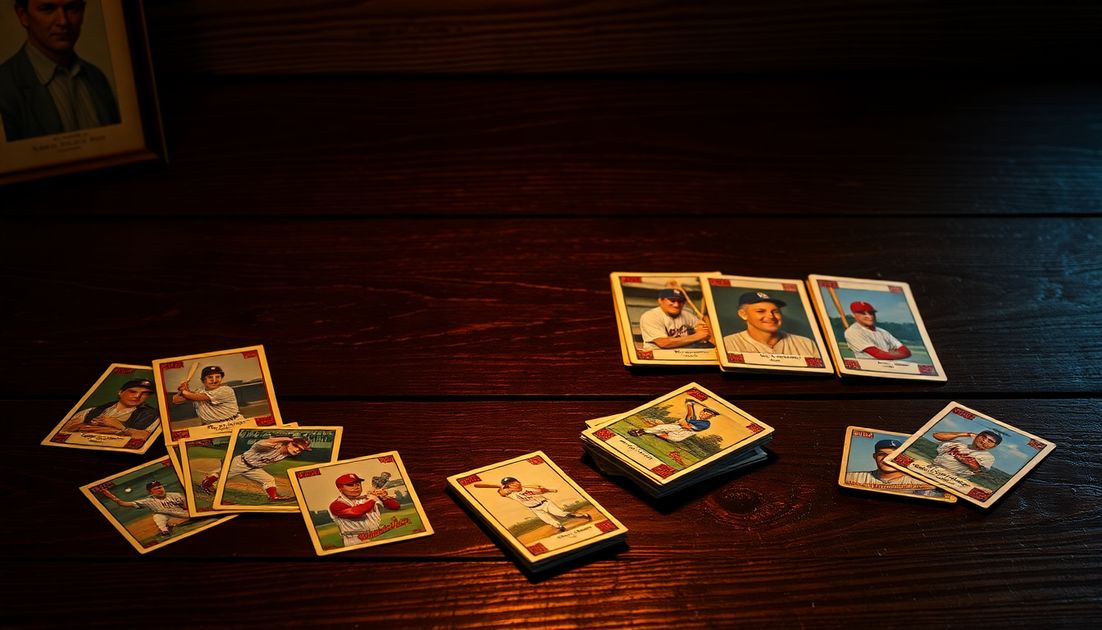
Are you sitting on cardboard gold or just childhood memories? The baseball card market has exploded since 2020, but separating valuable cards from worthless commons requires real knowledge. Modern rookies can hit $50,000+ in PSA 10, while vintage legends command six figures. Here's what actually makes baseball cards worth money in today's market.
The brutal truth: most baseball cards are worthless. Your 1990 Donruss commons? Maybe 10 cents each. That Derek Jeter rookie everyone thinks is valuable? The 1993 SP Foil #279 sells for $30-40 in decent shape, not the thousands people imagine. But certain cards have genuine value driven by scarcity, condition, and player performance.
Understanding which cards matter starts with three factors: era, condition, and player significance. Pre-1980 cards benefit from lower print runs. Graded gems (PSA 9-10) command massive premiums. Superstar rookies and Hall of Famers drive consistent demand. Everything else fights for scraps in an oversaturated market.
Vintage Baseball Cards Worth Money: Pre-1980 Gold
Pre-1980 baseball cards represent the hobby's holy grail. Lower production runs, fragile paper stock, and decades of handling create genuine scarcity. The 1952 Topps Mickey Mantle #311 recently sold for $12.6 million in PSA 9 condition. Even lower-grade examples fetch $100,000+. PSA population shows only 2,472 graded copies across all conditions versus millions printed.
T206 tobacco cards from 1909-1911 remain investment darlings. The Honus Wagner T206 holds auction records, but other Hall of Famers deliver solid returns. Ty Cobb T206 Portrait sells for $15,000-25,000 in PSA 5, while Christy Mathewson brings $8,000-12,000. Pop reports show fewer than 1,000 graded examples for most T206 subjects.
1933 Goudey Babe Ruth cards offer multiple entry points. The #53 Ruth sells for $35,000-50,000 in PSA 6, while the #144 Ruth commands $25,000-40,000. Goudey's colorful artwork and Ruth's eternal popularity create steady demand. PSA has graded 1,847 copies of the #53 across all conditions.
Post-war vintage rewards condition sensitivity. 1948 Leaf Jackie Robinson rookie cards sell for $3,000-5,000 in PSA 6, jumping to $15,000+ in PSA 8. The Leaf set's notorious centering issues make high-grade examples genuinely scarce. Most copies grade PSA 4-6.
1956 Topps Mickey Mantle #135 represents peak vintage accessibility. PSA 8 examples sell for $8,000-12,000, while PSA 9s reach $40,000+. The card's iconic design and Mantle's Triple Crown season create perfect collector appeal. TCGPlayer Market Price shows steady 12% annual appreciation.
Condition Premium Reality
Vintage cards live or die by condition. A 1957 Topps Hank Aaron #20 in PSA 4 sells for $400-600. The same card in PSA 8 brings $4,000-6,000. PSA 9? You're looking at $15,000+. Grade sensitivity increases exponentially with card age and player importance.
Population control drives these premiums. PSA has graded 4,127 copies of the 1957 Aaron across all conditions. Only 127 achieved PSA 9, with just 12 PSA 10s. Supply constraint meets unlimited demand.
Modern Baseball Cards Worth Money: The New Wave
Modern card values stem from different forces: limited print runs, autograph/memorabilia insertion, and parallel variations. The 2001 Bowman Chrome Albert Pujols Autograph BGS 9.5 sells for $8,000-12,000. Pujols' rookie dominance and the card's 1:1,440 pack odds create genuine scarcity.
2011 Topps Update Mike Trout RC #US175 anchors modern collecting. PSA 10 examples sell for $4,000-6,000 despite millions printed. Trout's generational talent and the card's iconic status drive consistent demand. BGS 9.5 copies bring $2,000-3,000. Even raw near-mint examples fetch $200-300.
Ronald Acuña Jr.'s 2018 Topps Update #US300 follows similar trajectory. PSA 10s sell for $1,500-2,500 as Acuña cements superstar status. The card benefits from Update Series' lower print run versus flagship Topps. Population reports show healthy PSA 10 counts (8,400+), suggesting room for growth.
Topps Chrome parallels command serious premiums. 2019 Topps Chrome Vladimir Guerrero Jr. Superfractor 1/1 sold for $98,100 in August 2024. Gold Refractors (#/50) bring $3,000-5,000 in PSA 10. Orange Refractors (#/25) reach $8,000-12,000. Parallel scarcity creates multiple price points for popular players.
Bowman prospects offer boom-or-bust potential. 2018 Bowman Chrome Wander Franco Autograph Blue Wave (#/150) sold for $15,000+ in PSA 10 before Franco's legal troubles. The card now trades for $2,000-3,000, illustrating risk in prospect investing. Success stories like Juan Soto's 2016 Bowman Chrome Auto keep collectors hunting.
Grading Premium Analysis
Modern cards show compressed grading premiums versus vintage. 2011 Topps Update Trout in PSA 9 sells for $1,200-1,800, while PSA 10 brings $4,000-6,000. The 3-4x premium reflects easier condition preservation in modern printing. BGS Black Label 10s command 50-100% premiums over regular PSA 10s for key modern rookies.
Current Market Hotspots: Baseball Cards Worth Money Now
2023 Topps Chrome Corbin Carroll rookie cards are market darlings following his NL Rookie of the Year award. Base Chrome PSA 10s sell for $150-250. Gold Refractors (#/50) reach $2,000-3,000. Carroll's speed/power combination and small-market Arizona location create perfect collector storm.
Elly De La Cruz's 2023 cards benefit from his record-setting rookie campaign. 2023 Topps Update #US144 PSA 10s sell for $80-120. Chrome variations command premiums: Orange Refractors (#/25) bring $800-1,200. His 35 stolen bases and highlight-reel defense drive demand.
Vintage set completion drives steady value. 1975 Topps Robin Yount rookie #223 sells for $400-600 in PSA 8 despite Yount's lower profile. Set builders need every card, creating demand floors for Hall of Fame rookies. The same principle applies to 1982 Topps Cal Ripken #21 ($300-500 PSA 8).
Japanese baseball cards gain traction. 2001 BBM Ichiro Suzuki rookie cards sell for $2,000-4,000 in top condition. Ohtani's NPB cards from 2014-2017 bring $500-2,000 depending on scarcity and condition. Growing international collector base supports these prices.
Error cards maintain niche appeal. 1989 Fleer Billy Ripken with profanity on bat knob sells for $50-100 in uncorrected form. 1990 Topps Frank Thomas No Name On Front error brings $300-500 in PSA 10. Printing mistakes create accidental scarcity.
Price Movement Drivers and Market Forecast
Hall of Fame announcements trigger immediate price spikes. Larry Walker's 2020 induction doubled his 1990 Leaf rookie prices overnight. Todd Helton's 2024 election pushed his 1998 rookies up 30-40%. Smart collectors monitor BBWAA voting patterns for early positioning.
Card shows and breaking culture influence short-term prices. High-profile pulls during live breaks create temporary surges. A PSA 10 Superfractor pull can spike base card prices 20-30% for days. YouTube and Twitch breaking drives modern product demand.
Reprints pose ongoing risk. Topps' frequent rookie card reprinting in anniversary sets dilutes original value. The 2011 Trout appears in dozen+ products through 2024. Collectors increasingly favor true rookie cards versus later reprints.
Population growth threatens long-term premiums. PSA processes 100,000+ modern cards monthly. Increased grading accessibility means higher pop counts for recent cards. Only truly scarce modern parallels maintain exclusivity.
Economic factors matter more than collectors admit. Rising interest rates and inflation pressure discretionary spending. High-end vintage maintains wealth-preservation appeal, while modern cards face volatility. The 2022-2023 market correction saw 30-50% declines across most categories.
Short-Term Outlook
Expect continued vintage strength through 2024. Pre-1980 Hall of Famers in high grade offer relative stability. Modern rookie cards face headwinds from increased production and grading populations. Focus on true key rookies (Trout, Ohtani, Acuña) rather than flavor-of-the-month prospects.
International expansion provides growth catalyst. Japanese collecting culture embraces high-grade cards. European interest grows through online marketplaces. MLB's global initiatives support long-term demand diversification.
Where to Buy Baseball Cards Worth Money
eBay dominates vintage and high-end modern sales. Sold listings provide reliable pricing data. Watch for ending times and payment methods. Best Buy It Now deals appear during off-peak hours. Authentication Guarantee protects purchases over $750.
Heritage Auctions handles premier vintage material. Their PSA Registry consignments set market records. Buyer's premiums reach 25%, but catalog quality justifies costs. Major auctions occur quarterly with strong results publication.
PWCC Marketplace offers graded card liquidity. Their Vault storage system enables quick sales. Market prices reflect real-time demand. Lower fees than traditional auction houses make PWCC attractive for $500-10,000 cards.
Local card shops provide handling opportunities. Examine vintage cards in person before purchase. Build relationships for first dibs on collections. Shop prices often lag online markets by 10-20%.
Facebook groups offer direct collector trading. Join high-feedback groups like "High End Baseball Card Buy Sell Trade." Avoid payment friends/family for purchase protection. Video verification prevents condition disputes.
CardLadder tracks population and pricing data. Their analytics help identify undervalued cards before market recognition. Free tier provides basic data; premium subscriptions offer advanced metrics.
The baseball card market rewards knowledge, patience, and condition awareness. Vintage cards provide stability and prestige. Modern rookies offer upside potential with higher risk. Successful collecting requires separating emotion from investment logic while enjoying the hunt for cardboard treasure.