Are Baseball Cards Worth Anything? Million-Dollar Cards Still Exist in 2024
Discover which baseball cards are actually worth money in 2024. Expert analysis of current prices, market trends, and where to buy valuable cards.
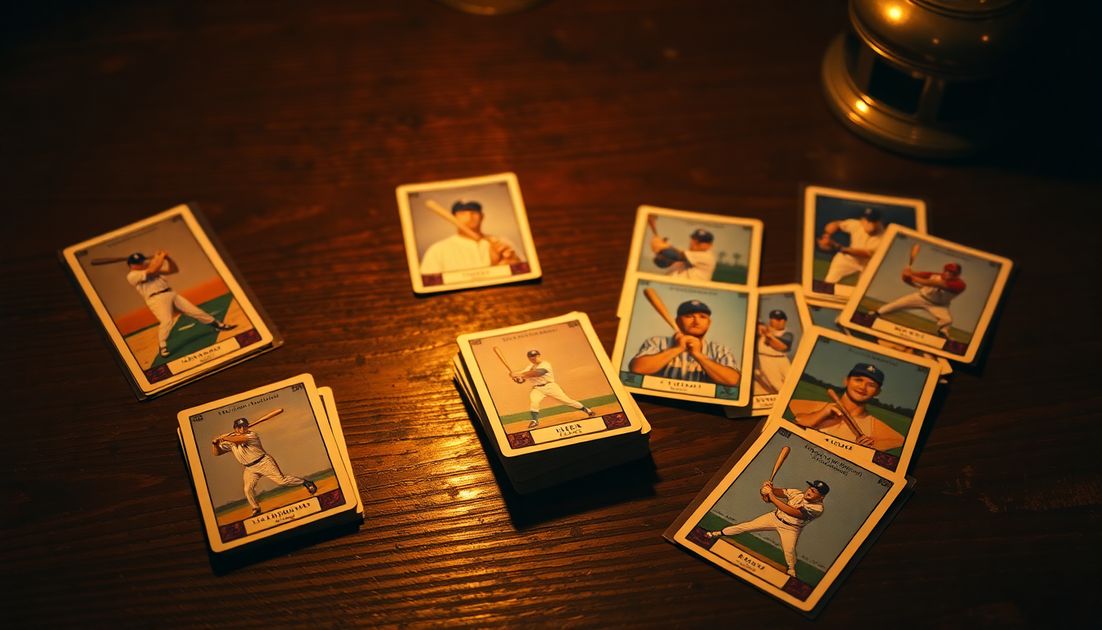
A 1952 Topps Mickey Mantle PSA 9 sold for $12.6 million in August 2022. That same card in raw condition? Maybe $150,000 if you're lucky. The gap between worthless cardboard and generational wealth has never been wider, and understanding where your cards fall on this spectrum could save you from leaving serious money on the table.
Are baseball cards worth anything in today's market? The brutal truth: most aren't worth the cardboard they're printed on. But the gems hiding in collections nationwide continue breaking records, creating a tale of two markets that every collector needs to understand.
The Reality Check: Most Baseball Cards Are Worth Almost Nothing
Walk into any card shop and you'll see the carnage. Commons from the 1980s-90s overproduction era sit in dollar bins, begging for buyers. 1991 Donruss, 1988 Score, 1990 Fleer — these sets printed millions of copies and destroyed scarcity forever.
Here's the math that killed the junk wax era: Topps printed roughly 12 billion cards in 1991 alone. Compare that to 1952 Topps, which had a print run estimated at 300,000-400,000 total sets. Supply and demand isn't rocket science.
Current market reality for junk wax commons:
1987-1995 base cards: $0.05-$0.25
Star players from the era: $1-$5 in NM condition
Complete sets: Often sell for less than original retail price
The overproduction didn't stop in the 1990s. Modern Topps flagship prints massive quantities, keeping most base cards near worthless. A 2023 Topps Series 1 Ronald Acuña Jr. base card sells for $1-2 on eBay. Even stars struggle to hold value when everyone has their cards.
Why Condition Matters More Than Ever
Grading companies revolutionized baseball card values by creating artificial scarcity through condition rarity. A 1986 Fleer Michael Jordan raw card might bring $50-100 in decent shape. That same card in PSA 10? $7,500-$8,500 based on recent eBay sold comps.
Population reports tell the story. PSA has graded 74,238 copies of the 1986 Fleer Jordan. Only 2,116 achieved PSA 10 status — a 2.8% rate. BGS Black Label 10s are even rarer, with just 47 copies in existence commanding $15,000-$25,000.
The grading premium exists across all valuable cards:
1989 Upper Deck Ken Griffey Jr. rookie: Raw NM ($25) vs PSA 10 ($750)
1984 Donruss Don Mattingly: Raw NM ($15) vs PSA 10 ($400)
1993 SP Derek Jeter: Raw NM ($250) vs PSA 10 ($3,200)
Which Baseball Cards Are Actually Worth Money in 2024
Forget everything you think you know about valuable cards. The market has shifted dramatically, creating new winners and losers that would surprise collectors from even five years ago.
Pre-War and Vintage Gems (Pre-1980)
T206 Honus Wagner remains the holy grail, with PSA 5 examples selling for $2-4 million. But other pre-war cards deliver serious value:
1933 Goudey Babe Ruth #144: PSA 8 sold for $120,000 (February 2024)
1909-11 T206 Ty Cobb (Portrait): PSA 7 brought $85,000 (January 2024)
1952 Topps Willie Mays #261: PSA 9 hit $432,000 (March 2024)
The 1952 Topps set drives massive values beyond just Mantle. High-grade examples of secondary stars command shocking prices. Eddie Mathews #407 in PSA 9 sold for $28,000. Bobby Thomson #318 brought $15,600 in PSA 9.
Key insight: Condition census matters more than you think. Many collectors focus on pop reports, but the top 5-10 examples of vintage cards trade in completely different markets. A PSA 9 might be worth $10,000, but if only two PSA 9.5s exist, they could bring $50,000+.
Modern Rookie Cards That Actually Matter
The rookie card market has consolidated around true superstars and scarce parallels. Base rookies from modern sets rarely hold value, but the exceptions print money.
2009 Bowman Chrome Mike Trout:
Raw NM: $8,000-12,000
PSA 10: $65,000-85,000 (based on December 2023 comps)
BGS 9.5: $35,000-45,000
2019 Bowman Chrome Vladimir Guerrero Jr. 1st:
Raw NM: $150-250
PSA 10: $1,200-1,800
Refractor PSA 10: $4,000-6,000
2018 Topps Update Ronald Acuña Jr. #HMT25:
Raw NM: $200-300
PSA 10: $2,500-3,500
BGS 9.5: $1,800-2,400
The key pattern: first-year cards of generational talents in the highest grades command premiums that seem impossible until you see the sales data.
Autograph and Memorabilia Cards
Game-used and autographed cards create value through scarcity and authentication. Modern products like Topps Dynasty, Flawless, and National Treasures produce cards worth serious money.
Recent standouts:
2023 Topps Dynasty Shohei Ohtani Auto Patch /10: $8,500
2022 Panini Flawless Julio Rodríguez RPA /15: $4,200
2021 Topps Transcendent Babe Ruth Cut Signature /25: $45,000
Print runs matter enormously. Cards numbered to 25 or fewer consistently outperform higher-numbered parallels by 300-500%.
Factors Driving Baseball Card Values in the Current Market
Understanding price movements requires tracking multiple variables that traditional collectors often ignore. The baseball card market doesn't exist in a vacuum — it responds to performance, nostalgia cycles, and broader economic forces.
Performance-Based Pricing
Active player cards fluctuate wildly based on performance. Shohei Ohtani's 2018 Topps Chrome rookie traded at $800-1,200 before his MVP seasons. Following his 2021-2022 dominance, PSA 10 examples hit $3,500-4,500. His move to the Dodgers in 2023 pushed values even higher.
Fernando Tatis Jr. provides the opposite lesson. His 2019 Topps Chrome rookie peaked at $1,800 in PSA 10 during his 2021 breakout. The PED suspension and injury issues crashed values to $600-800 by late 2023.
Hall of Fame inductions create temporary spikes but rarely sustained growth. David Ortiz's 1997 Fleer rookie jumped 40% around his 2022 induction, then settled back to previous levels within six months.
Scarcity and Population Growth
Grading populations continue expanding, putting downward pressure on previously rare cards. The 1986 Fleer Jordan has seen PSA 10 population grow from 1,200 in 2018 to over 2,100 today. Prices have dropped accordingly, from $12,000 peaks to current $7,500-8,500 range.
Pop report tracking reveals market opportunities. Cards with stable or declining submission rates often outperform those seeing massive grading volume. The 1993 SP Derek Jeter has maintained relatively stable PSA 10 counts, supporting steady price appreciation.
Economic and Cultural Factors
Interest rate environments affect collectibles pricing. The 2020-2022 zero-rate period fueled speculative buying across all collectibles. Rising rates in 2023-2024 cooled speculative demand, creating better entry points for quality cards.
Generational wealth transfer drives long-term demand. Millennials inheriting collections often sell quickly, creating supply gluts. But Generation X collectors with disposable income target cards from their youth, supporting 1980s-1990s star prices.
Are Baseball Cards Worth Anything: Short-Term Market Forecast
The baseball card market faces headwinds that could persist through 2024-2025. Rising interest rates, economic uncertainty, and grading population growth create challenging conditions for most cards.
Expected winners:
True vintage (pre-1970) in high grade
Generational talent rookies (Trout, Ohtani, Judge)
Ultra-scarce modern parallels (/10 or fewer)
Expected losers:
Junk wax era commons and stars
Modern base rookies of average players
Cards with rapidly growing populations
Wildcard factors to watch:
Potential MLB rule changes affecting player performance
Stadium moves or team relocations
Documentary releases creating nostalgia spikes
The market shows signs of maturation, with smart money focusing on established rarities rather than speculative modern issues. This benefits patient collectors willing to buy quality over quantity.
Where to Buy Baseball Cards: Best Marketplaces for Different Budgets
Marketplace selection can make or break your collecting experience. Each platform serves different needs, and understanding their strengths prevents costly mistakes.
High-End Cards ($1,000+)
Heritage Auctions dominates the vintage market with proper authentication and condition guarantees. Their monthly sports auctions regularly achieve record prices, but expect 25% buyer's premiums.
PWCC Marketplace offers the largest selection of graded cards with detailed photos and condition notes. Their quarterly Premier Auctions feature museum-quality pieces with provenance documentation.
eBay works for high-end purchases if you know what to look for. Stick to sellers with 99%+ feedback and detailed photos. Use sold comps extensively — current listings mean nothing.
Mid-Range Cards ($100-$1,000)
TCGplayer provides the most comprehensive pricing data and seller verification. Their marketplace protection covers purchases up to $50,000, reducing fraud risk significantly.
Cardmarket serves international buyers with competitive European pricing. Shipping costs can offset savings, but rare cards often appear cheaper than US markets.
COMC (Check Out My Cards) offers consignment services with professional photography and grading opinions. Their quarterly sales events provide excellent buying opportunities.
Budget Cards (Under $100)
Mercari and Whatnot host live auctions with competitive pricing on common and mid-grade cards. Authentication varies, so buy accordingly.
Local card shops provide immediate gratification and relationship building. Prices may run higher, but you support local businesses and can inspect cards firsthand.
Card shows offer the best variety and negotiation opportunities. Bring cash, research prices beforehand, and don't be afraid to walk away.
Red Flags to Avoid
Sellers with limited feedback or recent account creation
Cards listed significantly below market value (usually fake or damaged)
Poor photography or missing images
No return policy or authentication guarantees
Smart collectors verify seller reputation, compare across platforms, and factor in fees, shipping, and insurance costs before buying.
Baseball cards can be worth significant money, but success requires education, patience, and realistic expectations. The days of every card being valuable are long gone, replaced by a market that rewards knowledge and punishes speculation. Focus on quality over quantity, understand grading premiums, and track market data religiously.
Your childhood collection probably isn't funding your retirement. But if you've got a 1952 Topps Mantle or a 2009 Bowman Chrome Trout hiding in that shoebox, you might be sitting on a goldmine. The difference between worthless cardboard and generational wealth often comes down to condition, scarcity, and timing the market correctly.