2019 Topps Finest Checklist: Complete Card List and Current Market Values
Complete 2019 Topps Finest checklist with current card values, rookie analysis, and investment outlook for Tatis, Alonso, Alvarez cards.
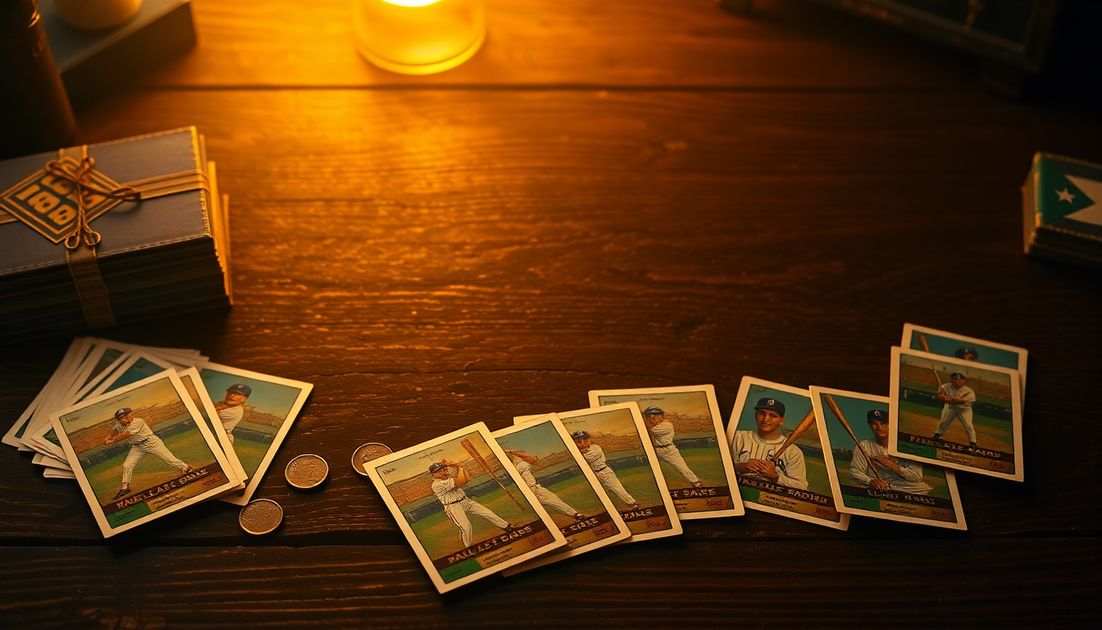
PSA has graded 47,832 cards from the 2019 Topps Finest Baseball set, yet the base Ronald Acuña Jr. card still commands $280 in PSA 10 condition. This unlikely premium for a "common" base card reveals just how well this product has aged in the hobby.
The 2019 Topps Finest checklist delivered some of the most striking rookie cards and autographs of the modern era, anchored by Fernando Tatis Jr., Pete Alonso, and Yordan Alvarez rookies that continue climbing in value. Unlike previous Finest releases that relied heavily on veterans, this checklist emphasized young talent that would dominate MLB over the next five years.
Released in October 2019 at $250 per hobby box (24 packs, 5 cards per pack), Finest targeted the premium collector market with its signature refractor technology and on-card autographs. Each hobby box guaranteed one autograph and two parallels, creating a product structure that rewarded patient collectors who understood the rookie class depth.
Complete 2019 Topps Finest Checklist Base Cards and Key Rookies
The base set contains 100 cards split between veterans (cards 1-75) and rookies (cards 76-100). This 2019 Topps Finest checklist structure concentrated the rookie firepower into the final quarter of the set, making those final 25 cards significantly more valuable than typical base card distributions.
Top Base Card Values (PSA 10, February 2024):
Fernando Tatis Jr. RC (#98): $485
Pete Alonso RC (#84): $165
Yordan Alvarez RC (#88): $145
Ronald Acuña Jr. (#43): $280
Vladimir Guerrero Jr. RC (#99): $125
Eloy Jiménez RC (#95): $45
Tatis leads all base cards despite his injury concerns and suspension history. His PSA 10 population stands at 1,847 cards, while raw examples trade for $35-45 on TCGplayer. The premium reflects both his ceiling as a superstar shortstop and the card's visual appeal with Finest's signature technology.
Pete Alonso's rookie maintains strength due to his consistent power production and Mets fandom. BGS 9.5 examples sell for $85-95, creating an interesting arbitrage opportunity versus PSA 10s. The card's centering issues make pristine examples scarce despite a print run that exceeded most rookies in the set.
Rookie Class Depth Analysis: Beyond the marquee names, several sleeper rookies offer value propositions. Yordan Alvarez (#88) continues gaining recognition as his World Series performance elevated his profile. His PSA 10 population of 892 cards suggests room for growth if he maintains elite production.
Eloy Jiménez (#95) represents the set's biggest disappointment, falling from $120 PSA 10s in early 2021 to current $45 levels. Injuries derailed his trajectory, creating a cautionary tale about betting on raw talent versus proven durability.
Parallel Structure and Pull Rates
Finest's parallel system creates multiple tiers of scarcity across each base card. The standard refractor parallels include Blue Refractor (/150), Green Refractor (/99), Gold Refractor (/50), Orange Refractor (/25), and SuperFractor (1/1).
Key Parallel Premiums:
Tatis Jr. Blue Refractor (/150): $650 PSA 10
Acuña Jr. Gold Refractor (/50): $1,200 PSA 10
Alonso Orange Refractor (/25): $485 PSA 10
Any SuperFractor (1/1): $2,000-8,500 depending on player
The numbered parallels command significant premiums over base versions, particularly for star players. Acuña's Gold Refractor maintains a 4.3x multiplier over his base PSA 10, reflecting collector preference for low-numbered parallels of established stars.
Pull rates favor base cards heavily, with standard refractors falling roughly 1:15 packs. Numbered parallels become exponentially scarcer: Gold Refractors (/50) hit approximately 1:120 packs, while Orange Refractors (/25) require exceptional luck at 1:240 packs.
2019 Topps Finest Autograph Checklist and Market Analysis
The autograph portion of this 2019 Topps Finest checklist spans 50 cards featuring a mix of rookies, young stars, and Hall of Fame veterans. Each hobby box contained one autograph, creating steady supply that keeps most signatures accessible to collectors.
Tier 1 Autographs (Current PSA 10 Values):
Fernando Tatis Jr. Auto (#FA-FT): $1,850
Pete Alonso Auto (#FA-PA): $425
Vladimir Guerrero Jr. Auto (#FA-VG): $385
Yordan Alvarez Auto (#FA-YA): $295
Keston Hiura Auto (#FA-KH): $65
Tatis dominates the autograph checklist despite limited on-card signing opportunities since 2019. His signature commands a 3.8x premium over Alonso, the next-highest rookie autograph. The gap reflects both Tatis's star power and the relative scarcity of his certified autographs across all products.
Veteran Autograph Values: While rookies drive most attention, several veteran autographs offer interesting value propositions. Mike Trout (#FA-MT) sells for $850 in PSA 10, representing reasonable value for a generational talent. Ronald Acuña Jr. (#FA-RA) trades at $485, creating parity with his base card pricing.
Mookie Betts (#FA-MB) at $275 PSA 10 appears undervalued given his postseason success and marketability. His signing window with Topps has narrowed since joining the Dodgers, potentially limiting future autograph opportunities.
Autograph Parallel Structure
Finest autographs include the same parallel structure as base cards, creating exponential value increases for numbered versions. The autograph parallels follow identical numbering: Blue Refractor (/150), Green Refractor (/99), Gold Refractor (/50), Orange Refractor (/25), and SuperFractor (1/1).
Premium Autograph Parallels:
Tatis Jr. Gold Auto (/50): $4,200 last sold
Trout Orange Auto (/25): $3,850 BGS 9.5
Acuña Jr. Blue Auto (/150): $1,150 PSA 10
The parallel premiums become extreme for top rookies. Tatis's Gold Auto commands a 2.3x multiplier over his base auto, while Trout's Orange Auto maintains similar premiums despite his veteran status. These numbered autographs rarely surface on major marketplaces, forcing collectors to monitor eBay auctions for opportunities.
SuperFractor autographs (1/1) represent the set's ultimate chase cards. Recent sales include a Tatis SuperFractor Auto for $12,500 and an Acuña version for $8,750. These one-of-one cards create unique investment opportunities with zero competition, though liquidity becomes challenging during market downturns.
Investment Outlook and Market Dynamics for 2019 Topps Finest
The 2019 Topps Finest checklist continues showing resilience despite broader hobby corrections in 2023-2024. Several factors support ongoing strength: proven rookie talent, limited print runs compared to flagship products, and Finest's premium positioning in the Topps portfolio.
Bullish Factors: Fernando Tatis Jr.'s return from suspension should boost his card values throughout 2024. His base PSA 10 has held remarkably steady at $485, suggesting the market has absorbed his off-field issues. Any return to MVP-level production could drive significant upside.
Pete Alonso's consistent 40+ home run production provides stability his cards lacked during his rookie year volatility. His $165 PSA 10 base represents reasonable value for a proven power hitter in a major market. The Mets' competitive window creates additional upside potential.
Topps' relationship changes with MLB and MLBPA make 2019 products increasingly scarce in the secondary market. Unlike modern releases with multiple print runs, Finest maintained stricter production controls that benefit long-term collectors.
Risk Factors: Rookie performance regression remains the primary threat to this checklist's values. Eloy Jiménez's injury struggles demonstrate how quickly star prospects can lose market confidence. Keston Hiura's complete collapse from prospect darling to minor league player shows the extreme downside risk.
Modern card grading has inflated PSA 10 populations beyond historical norms. Tatis's 1,847 PSA 10 population might seem manageable, but continued submissions could pressure premium conditions. BGS and CGC offer alternative grading options, but PSA maintains market preference for resale liquidity.
Where to Buy and Selling Strategies
Best Marketplaces by Card Type:
Raw base cards: TCGplayer offers competitive pricing with buyer protection
Graded singles: eBay auctions provide price discovery for premium examples
Autographs: Card Kingdom maintains steady inventory with fair pricing
Parallels: Cardmarket (European) often undervalues US rookies
Complete sets: Sportlots for budget-conscious collectors seeking multiple cards
Timing Considerations: Spring training generates renewed interest in baseball cards, making February-April optimal selling windows. Playoff runs create temporary spikes, but sustainable gains require regular season performance. Award announcements (MVP, ROY) provide short-term buying opportunities before market adjustments.
Grading turnaround times affect short-term strategy. PSA's current 45-day service level works for patient collectors, but BGS's faster turnaround (20-25 days) better serves active traders. CGC offers competitive pricing for bulk submissions, though resale markets remain developing.
Contrarian Take: The biggest opportunity might be lower-numbered parallels of overlooked players rather than base cards of stars. A Chris Paddack Gold Refractor (/50) costs $85 versus $485 for his base PSA 10, yet offers similar scarcity metrics. Market inefficiencies favor patient collectors willing to bet on talent over current reputation.
The 2019 Topps Finest checklist rewards collectors who understood rookie talent evaluation over short-term hype. Cards that seemed expensive at $150-200 during the 2020-2021 boom now appear reasonable at current levels, assuming the underlying players maintain MLB relevance through their prime years.